







Introduction:When faced with the choice between blended beans and single-origin beans (SOE), many coffee enthusiasts often don’t know which to pick. In reality, the key to choosing the right one isn’t in the name, but in how the roast level matches your personal taste preferences. This article will guide you through the flavor profiles of blends and SOEs at three roast levels—light, medium, and dark—and offer practical advice to help you select the beans that best suit your taste based on the types of coffee you usually drink.
A coffee’s flavor profile is often closely related to both its roast level and brewing method. Blended beans are a mix of beans from different regions or batches, aiming to achieve a balanced flavor; whereas SOE (Single Origin Espresso) typically uses beans from a single origin or single batch, making it especially suitable for espresso. Both have their own advantages—there’s no absolute good or bad—it all depends on what kind of flavors you prefer and what form of coffee you drink most often.
If you prefer light roasts, then the performance of blends and SOEs can be quite different. Light-roast blends are usually carefully crafted to retain bright acidity and fruity-floral notes while ensuring the overall mouthfeel is rounded, avoiding an unbalanced cup due to overly sharp acidity. These beans are great for making pour overs or cold drips with layered flavors, and are often favored by coffee drinkers who enjoy a fresh-tasting cup. Light-roast SOEs, on the other hand, can better showcase the unique characteristics of a single origin—perhaps a bright citrus note, subtle berry aroma, or even a tea-like finish—making them ideal for those who like to savor nuanced flavor changes.
For those who regularly enjoy Americanos, iced coffee, or pour overs, light-roast SOEs can often bring more surprises and room for exploration. For example, some Kenyan beans, when light roasted, exhibit a lively acidity reminiscent of ripe tomatoes, followed by a sweet note akin to dried fruit, and feel even crisper and cleaner when served cold. If you enjoy coffee with clear fruitiness and a clean finish, you might want to start with these. Light-roast blends, meanwhile, are better suited for consumers who want to experience bright acidity without it being too overwhelming. These blends usually achieve balance by adjusting the ratio of different beans, harmonizing fruit acidity, sweetness, and moderate body. It’s worth noting that if you’re using a home espresso machine to brew light-roast beans, it’s advisable to grind slightly finer and pay attention to water temperature control to avoid extracting overly sharp acidity; if the cup tastes too bright, you can slightly extend the extraction time to allow more sweetness to come through.
Medium roast is the range where both blends and SOEs tend to show relatively balanced profiles. At this stage, blended beans often present notes of caramel, nuts, cocoa, or ripe fruit, with a smooth mouthfeel—making them easy to enjoy whether as espresso or in a latte, and suitable for daily drinking. Medium-roast SOEs retain distinct regional characteristics while also offering noticeable sweetness, remaining interesting even without milk, and highlighting their unique aromatic traits even more when milk is added.
Beans at this stage—such as certain medium-light to medium-roast blends—often carry aromas of citrus fruits or ripe apricots when hot, with sweetness gradually emerging as the temperature drops, and even a tea-like freshness in the aftertaste. Brewing with a filter dripper allows you to clearly perceive how temperature changes affect the flavors; if using as an SOE, it’s recommended to control the milk ratio to avoid too much dairy flavor masking the bean’s inherent qualities.
For those with a fast-paced lifestyle who need a consistently reliable cup, medium-roast blends are usually the more worry-free option. The combination of beans from different origins provides consistent strength and sweetness, ensuring that whether you’re making an Americano or a milk coffee, the flavor profile remains reasonably coherent. Medium-roast SOEs, on the other hand, are better suited for coffee lovers whose main drink is black coffee and who wish to explore differences in origin, variety, and processing methods.
Moving into the dark roast category, the differences between SOEs and blends are more evident in mouthfeel and aftertaste. Dark-roast SOEs may still retain some regional traits, but the overall flavor tends to lean toward intense profiles such as dark chocolate, roasted nuts, caramel, and smokiness; whereas dark-roast blends usually emphasize a full-bodied mouthfeel, low acidity, and stable strength, making them very suitable for espresso, moka pot, or milk-forward coffee drinks like lattes or flat whites.
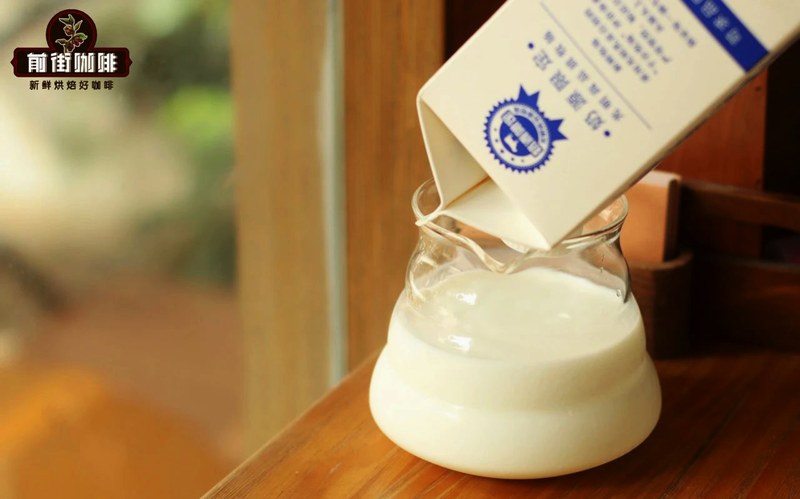
If you often drink lattes, flat whites, or sweetened coffee, dark-roast blends can usually provide a more pronounced coffee presence. Milk can soften acidity, but it may also dilute aroma, so the beans themselves need to have enough body and weight to support the overall flavor of the drink. If you prefer pure black coffee, you might consider a dark-roast SOE, focusing on the balance between bitterness and sweetness rather than simply pursuing intense strength—look for products with a clean mouthfeel and an aftertaste that doesn’t turn dry.
In summary, choosing between blends or SOEs depends on how you usually drink coffee, what kinds of flavors you like, and what roast levels you’re most familiar with. Light-roast SOEs lean toward aroma and fruity-sour-sweet variation, while light-roast blends aim for overall harmony; medium-roast blends are great for everyday consistency, while medium-roast SOEs let you experience regional characteristics; dark-roast blends are better suited for frequently consumed milk coffees, and dark-roast SOEs are the ideal choice for those who enjoy bold black coffee. By considering roast level, cup type, and your personal taste together, you’ll be able to find the coffee beans that suit you best.
The above content is compiled by CoffeeHunters, a coffee news website.

