








Introduction:Faced with a dazzling array of coffee beans, do you know how to choose an espresso roast that suits your taste? Medium-dark and dark roasts are common choices for most home espresso machines, each offering distinct characteristics in flavor profile, shot texture, and milk compatibility. This article will help you understand the flavor traits of these two roast levels and provide practical brewing tips so you can pull satisfying espressos and milk drinks at home.
The flavor profile of an espresso is often apparent from the first sip. Whether you prefer intense notes of nuts, cocoa, and caramel, or brighter profiles with fruity acidity and sweet clarity—these preferences are closely tied to the roast depth of the beans. For typical home espresso machines, medium-dark and dark roasts are both practical options, but they express flavors differently and behave distinctively when combined with hot water or milk.
Medium-dark roasts usually retain more of the coffee’s origin characteristics, maintaining a good balance between sweetness and acidity without leaning too heavily into roasted flavors. When used for espresso, they often present a well-rounded combination of caramel, nuts, and cocoa, sometimes layered with gentle fruit acidity. These roasts are ideal for those who want both aromatic complexity and rich body—whether enjoyed straight or as an Americano, they deliver a satisfying depth.
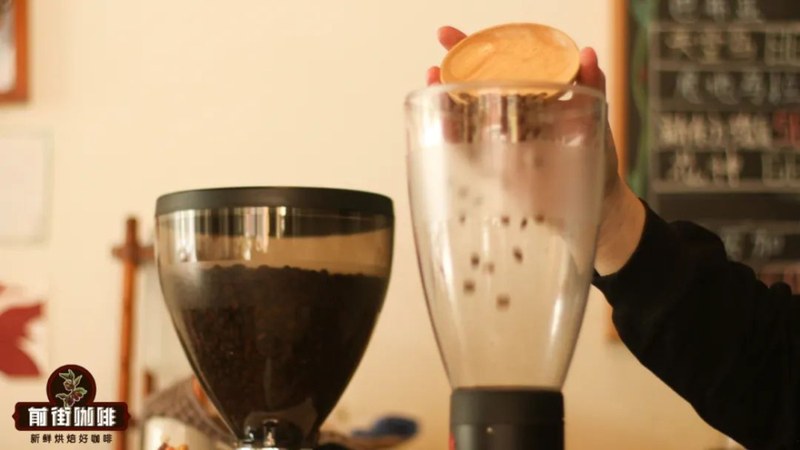
Dark roasts, on the other hand, emphasize bold roasted aromas, dark chocolate, mature nuts, and a pronounced caramel note. Acidity is more subdued, and the overall mouthfeel tends to be heavier and more grounded. The espresso shot offers a more direct and intense aroma, with a noticeable weightiness on the palate—even when diluted into an Americano, the coffee’s core remains clear. If you’re drawn to the traditional, bold, and full-bodied coffee experience found in classic cafés, dark roast beans are more likely to deliver that familiar feel.
It’s worth noting, however, that a darker roast doesn’t necessarily mean more bitterness. If the brew water is too hot, the grind too fine, or the contact time too long, it can easily lead to harsh, astringent, or burnt flavors. Because dark roast beans have a looser internal structure, they tend to release soluble compounds more quickly. Therefore, when trying them for the first time, it’s advisable to start with a lower brew temperature and slightly shorter extraction time to let the cocoa and sweetness shine through, then adjust gradually based on personal taste.
In comparison, medium-dark roasts are more sensitive to changes in parameters. If the grind is too coarse or the extraction too short, it may result in sharp acidity and weak sweetness. But with a slightly longer extraction time, the harmony between caramel, nuts, and fruit acidity becomes more pronounced. When using an espresso machine, it’s recommended to start with your usual coffee-to-water ratio, then adjust the grind size based on the actual taste—this way, you can preserve the full aromatic expression while avoiding a hollow or underwhelming shot.

If you want a bean that can handle multiple brewing methods—espresso, Americano, and latte—a medium-dark blend is a great option to consider. For example, blends based on Brazilian Cerrado and Colombian Huila often showcase a balanced flavor of nuts, caramel, and cocoa, with acidity that doesn’t overpower. These beans can produce a clearly sweet espresso, maintain their aroma when diluted, and still uphold the coffee’s structure when milk is added.
If you prefer a richer, heavier mouthfeel with lower acidity, try a dark roast blend focused on dark chocolate, roasted nuts, and sweet maturity. These beans yield a round, full-bodied shot with a steady finish, making them ideal for short espressos, lattes, or flat whites. When making Americanos, it’s best to control the water volume to avoid dilution that might weaken the overall body and flavor concentration.
Choosing between medium-dark and dark roasts also depends on the cup sizes you typically drink. If you mainly enjoy straight espresso, medium-dark roasts often offer more aromatic complexity, sweetness, and textural variation. For Americanos, dark roasts with stable flavors and clear cocoa or roasted notes are better suited to ensure a clean and smooth cup. For milk-based drinks, pay special attention to the shot’s body and stability so the addition of milk still supports a well-balanced flavor.
When brewing at home, it’s recommended to use a consistent dose according to your portafilter’s capacity, and observe the color, flow rate, and taste of the shot. If a medium-dark roast tastes overly acidic or thin, try adjusting the grind slightly finer or extending the extraction time. If a dark roast results in burnt or drying sensations, consider using a coarser grind, lowering the brew temperature, or reducing the total output. Making one adjustment at a time makes it easier to find the optimal range for your machine and taste.
Also, don’t forget to check the roast date and the beans’ storage condition. Espresso beans usually benefit from a proper resting period. Beans that are too fresh may have excessive degassing, leading to a foamy crema but unstable flavors. Stale beans, on the other hand, may have lost their aroma. It’s best to choose recently roasted beans with a one-way valve packaging, and store them appropriately based on your consumption rate. Whether you choose medium-dark or dark roasts, the ultimate measure is whether the coffee is enjoyable, easy to work with, and makes you want to take sip after sip.
The above content is compiled by CoffeeHunters, a coffee news website.

