








Introduction:When faced with a wide array of commercial coffee beans, roast level is actually a more intuitive purchasing indicator than origin. The three main roast levels—light, medium, and dark—each correspond to unique flavor profiles and suitable brewing scenarios, from the bright fruity notes of pour over to the rich chocolatey tones of espresso. This article will break down the core characteristics of different roast levels, and provide practical extraction parameters and pairing suggestions to help you choose the most enjoyable commercial beans based on your daily drinking habits.
The performance of a commercial coffee bean is influenced not only by its origin, but also—and more critically—by its roast level. Light roasts preserve more of the bean’s lively characteristics, medium roasts strike a balance between sweetness and body, while dark roasts amplify roasted aromas such as cocoa and nuts. Choosing based on roast level allows for a more intuitive match to the appropriate brewing method compared to simply looking at the origin name.

Light roast coffee beans have a distinct personality, often featuring brightfloral, citrus, or berry notes,offering a refreshing and light mouthfeel that’s not heavy at all. They’re especially well-suited for low-temperature slow extractions like pour over and cold brew, and can also be used to make fruit-forward flavored Americanos. Since their aroma release relies on precise control of grind size and water temperature, it’s recommended to usea slightly higher water temperature (around 92-94°C) and a medium-fine grindto fully express the volatile aromatic compounds, while also paying attention to brew time to avoid unpleasant astringency in the finish.
Among light roasts, one particular coffee bean inspired by strawberry candy is quite representative—it offers a soft, dessert-like fruity aroma, with vibrant fruitiness when hot and an even fresher profile when served over ice. If used in milk coffee, reducing the milk ratio allows the coffee’s inherent fruity sweetness to take center stage, making it ideal for consumers seeking a light and refreshing taste with occasional variety.
Medium roast is the most versatile choice in a commercial setting, offering mild and unassuming aromas, along with a balanced mouthfeel that is both sweet and moderately rich. Whether showcasing layers through pour over or using it in devices like espresso machines or moka pots, it consistently delivers balanced flavors, making it suitable for breakfast hours, office routines, or all-day drinking. In households where family members have differing taste preferences, medium roast beans can often satisfy both black coffee purists and those who prefer their coffee with milk.
One particular blend based on Brazil Cerrado and Colombian Huila serves as a classic example of the medium roast approach: a solid foundation of roasted nuttiness paired with caramel sweetness and a soft cocoa finish, with seamless overall transitions. When extracted with an espresso machine, the coffee liquid has amplebody (richness), ensuring the Americano isn’t hollow; when milk is added, the caramel and cocoa notes remain clear, making it a high-value, ‘one-bean-for-many-uses’ option.
If you prefer a fuller, rounder cup experience, medium-dark to dark roast beans are a better direction. These beans exhibit significantly subdued acidity, with aromas shifting toward dark chocolate, roasted nuts, caramel, and even subtle smoky cereal notes, while the mouthfeel becomes noticeably heavier. They’re especially well-suited for concentrated extractions like espresso, moka pot, or hot Americano, and pair perfectly with breakfast breads, desserts, or milk-based drinks.
Another blend that highlights the layered transition of nuts, cocoa, and caramel is a representative of the medium-dark roast style: the coffee liquid has a high body, providing a solid foundation for both espresso and latte when used in an espresso machine; brewing with a moka pot also easily yields a full-bodied texture. For those accustomed to quickly making coffee at home, or who want a single bean to handle both black coffee and milk coffee, this level of roast is more convenient.
It’s worth noting that roast level directly affects the direction of extraction parameter adjustments:For light roast beans, it’s recommended to start with a finer grind (such as medium-fine for pour over) and a higher water temperature (92-94°C),with a focus on balancing acidity and sweetness;Medium roast beans have a higher margin for error,so you can first establish a fixed recipe, then fine-tune grind size based on actual extraction strength;Dark roast beans require a lower water temperature (around 88-90°C) and a shorter contact time with water,to reduce potential burnt bitterness and allow the cocoa and nutty sweetness to present more purely.
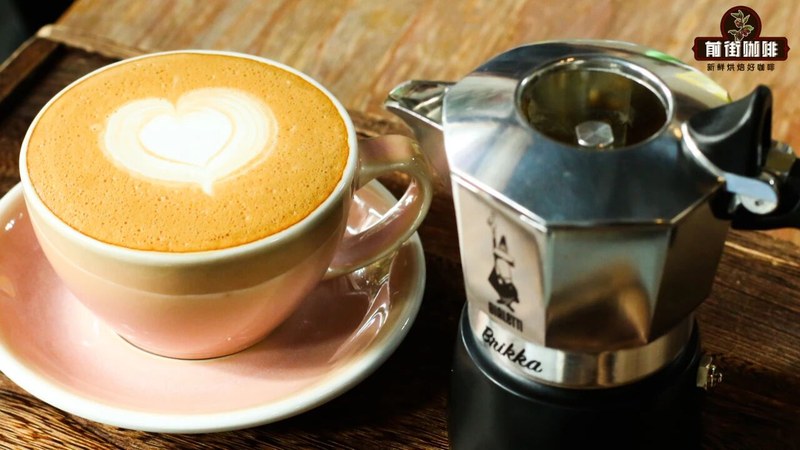
When these beans meet milk, the differences in roast level become even more pronounced: with light roast, the fruitiness may transform into a soft background note, suitable for making refreshing lattes or iced milk coffee; the caramel sweetness of medium roast blends naturally with milk; dark roast requires the espresso itself to have enough body to cut through the milk and maintain a clear coffee flavor profile.
Finally, a reminder: when purchasing commercial beans, in addition to roast level, also pay attention toroast date (it’s recommended to choose freshly roasted beans within 7–21 days of roasting), packaging sealability, and expected consumption rate. For high-frequency usage scenarios, medium or medium-dark roasts with stable flavor and broad equipment compatibility are preferable; for occasional enjoyment, you might as well explore light roast fruitiness according to your interests. Additionally, once the beans are opened, it’s advisable to store them in a divided, sealed container, avoiding high temperatures, humidity, and direct sunlight, and developing the habit of ‘grinding right before brewing’ to fully retain the original aroma.
In summary, selecting commercial coffee beans by roast level is essentially choosing the personality blueprint of a cup of coffee: light roast brings brightness and vitality, medium roast achieves balance and harmony, while dark roast presents richness and depth. As long as you’re clear about whether you usually drink black coffee or milk coffee, and combine that with your brewing equipment (such as espresso machines, pour over kettles, or moka pots), you can quickly narrow down your choices and ensure your commercial beans consistently deliver satisfying flavors in everyday use.
The above content is compiled by CoffeeHunters, a coffee news website.

