







Introduction:Want to enjoy an Americano with bright and sweet flavors? Choosing the right roast level is key. From light to dark roast, each level brings out different styles of sweetness and affects how your pour over, hot drink, or cold brew turns out. This article breaks down the flavor characteristics of three major roast levels, recommends popular flavor profiles, and offers practical brewing tips to help you find your perfect coffee beans and brewing method.
If you want to taste a distinct sweetness in your Americano, the roast level of the coffee beans you choose will directly determine the flavor direction. Light roast beans often carry notes of fruit, flowers, and a refreshing acidity, making them ideal for iced Americanos—offering a clean and layered taste. Medium roast showcases a balanced profile of caramel, ripe fruit, and tea-like notes, smooth whether served hot or over ice. Medium-dark or dark roasts, on the other hand, tend to present rich, bold sweetness with notes of cocoa, nuts, and roasty undertones, perfect for those who prefer a fuller body.
The “sweetness” mentioned here doesn’t simply refer to added sugar—it refers to a pleasant, non-sharp aftertaste that lingers on the palate even after swallowing, reminiscent of fructose, caramel, or chocolate. The darker the roast, the more the coffee’s aroma tends toward nutty, cocoa, and caramel tones, but the actual drinking experience is also influenced by water temperature, grind size, and brew time. Therefore, when selecting beans, it’s advisable to consider both the flavor profile and your usual brewing method.
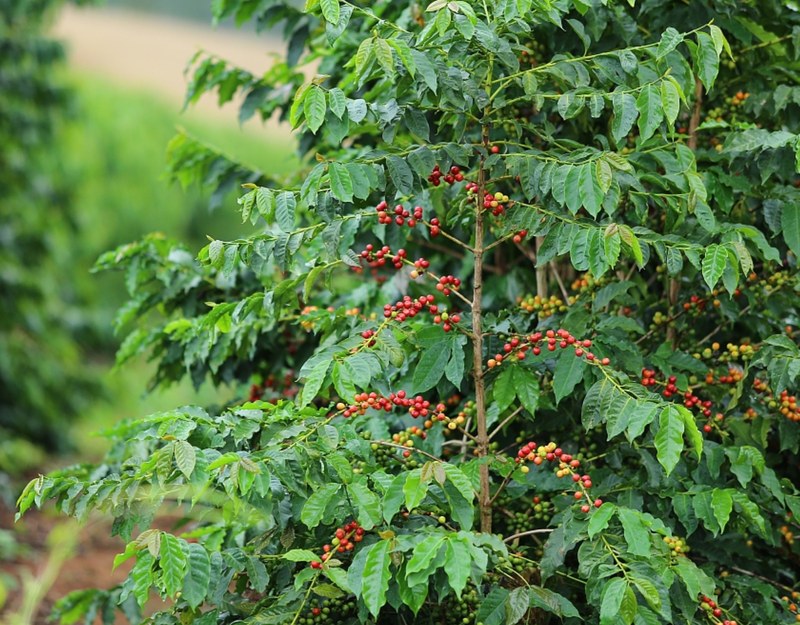
If you’d like to start exploring sweet Americanos with a light roast, try beans based on Ethiopia’s Huila Flower Queen. These beans typically offer aromas of ripe tropical fruits and berries, with a light body and vibrant acidity similar to passionfruit. When chilled, the sweetness becomes even more pronounced. Brewing with a pour over and serving directly over ice concentrates the fruity notes and brightness. For hot Americanos, it’s best to control the water amount to avoid over-dilution that can diminish aroma—ideal for those who enjoy a juice-like, refreshing cup.
The sweetness in light roast often hides between aroma and acidity. When brewing, it’s recommended to use slightly higher water temperatures and avoid overly coarse grinds to ensure the coffee grounds have enough time to release their flavors. For iced Americanos, you can brew the coffee a bit stronger, then add ice and cold water. You’ll first taste a refreshing sweet-and-sour profile, followed by berry-like aftertastes, making it especially suitable for morning or afternoon pick-me-ups—energizing and crisp.
If you prefer a rounder sweetness and more restrained acidity, medium roast beans are a great choice. Coffees in this range often blend elements of ripe fruit, caramel, and tea-like qualities, resulting in an Americano that doesn’t taste thin. It has a smooth mouthfeel when hot and retains aroma even when cooled. For those new to single-origin Americanos, medium roast usually makes flavors easier to identify and allows for personal adjustments.
Take Kafa Forest as an example—this medium roast bean delivers notes of orange and ripe apricot upon entry, followed by a refreshing aftertaste reminiscent of oolong tea. As a hot Americano, the citrus aroma and light texture stand out more, while adding ice makes the cup feel cleaner. As the cup gradually cools, the sweetness emerges from the fruit acidity, making it ideal for those who don’t enjoy heavy bitterness.
When brewing medium roast Americanos, you can flexibly adjust the water amount based on your preferred strength, but it’s not recommended to brew too light at the start. Maintaining an appropriate coffee liquid thickness is essential to supporting the expression of sweetness. If the cup tastes too acidic, try slightly fine-tuning the grind or extending the brew time. If the finish feels too dry or astringent, reduce agitation or shorten the water-to-coffee contact time to achieve a smoother balance of ripe fruit and caramel tones.
If you prefer chocolatey sweet aromas, medium-dark or dark roast beans are more to your taste. For instance, blends based on dark cocoa often present flavors of dark chocolate, roasted nuts, and deep cocoa aftertastes, with less noticeable acidity. As a hot Americano, they have a full-bodied mouthfeel, and even when served over ice, they maintain a clear balance of bitterness and sweetness. They pair well with breakfast items like toast, oatmeal, or nuts, offering a harmonious and robust flavor.
When brewing dark roast Americanos, avoid over-extracting, as this can cause roasty and bitter notes to overpower the inherent sweetness. If using an espresso machine, shorten the extraction time to get a coffee with moderate concentration before adding hot water. When using a mocha pot, it’s recommended to brew slowly over low heat and stop heating once the brew begins to lighten in color. For filter brewing, lower the water temperature and shorten the contact time, letting the chocolate and nut tones take center stage.
In summary, a sweet light roast Americano is like a refreshing fruit candy; a medium roast resembles a balance of caramel and ripe fruit; and a dark roast leans more toward the rich sweetness of dark chocolate and roasted nuts. If you enjoy cold drinks and value aromatic diffusion, start exploring with a light roast. If you prefer hot Americanos and want softer acidity, a medium roast is the ideal choice. And if you need a longer-lasting coffee flavor that pairs well with breakfast, a medium-dark roast offers a bolder presence.
After purchasing coffee beans, it’s recommended to store them in a dark, dry, and temperature-stable environment, minimizing prolonged exposure once opened. When brewing, start with the parameters suggested on the packaging, then fine-tune based on the actual sweetness, acidity, and aftertaste you experience. Once you’ve found your preferred roast direction, try alternating between hot and iced Americanos—you’ll more easily distinguish whether your true preference lies with fruity sweetness, caramel sweetness, or the deep richness of cocoa.
The above content is compiled by CoffeeHunters, a coffee news website.

