







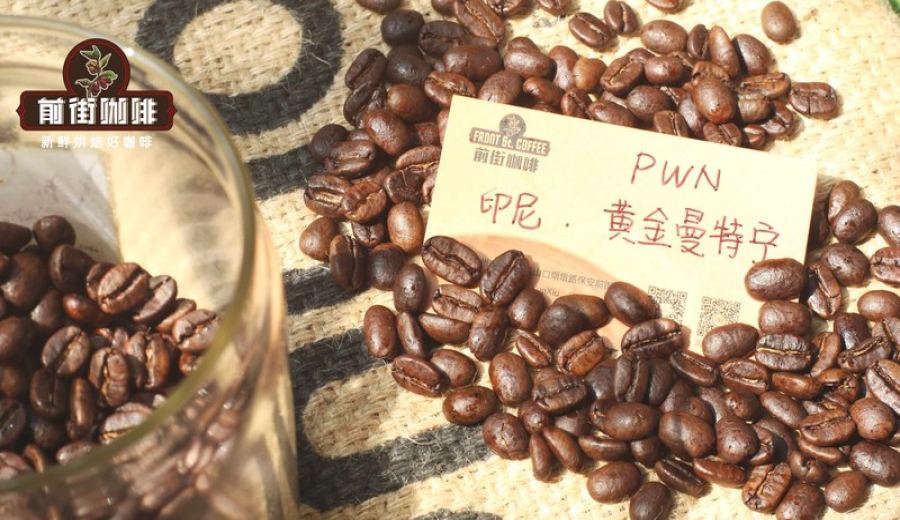
Introduction:Choosing the right espresso beans is not as simple as picking something that’s just “strong” or “bitter.” The roast level—from light to dark—not only affects aroma expression and sweetness intensity but also determines the overall flavor balance when paired with water, milk, or ice. This article provides a detailed breakdown of the flavor characteristics and ideal use cases for each roast level—light, medium, medium-dark, and dark—to help you find the most suitable daily bean for your home espresso machine and drinking habits.
When selecting beans for everyday espresso brewing, there's no need to chase after “intensity” or “bitterness” alone. Roast level is the key factor influencing aroma complexity, sweetness presentation, and the texture of the shot, while also determining whether the coffee maintains a clear flavor profile when water, ice, or milk is added. If you want a smoother and more varied daily coffee experience, it’s best to start by exploring the four main roast levels—light, medium, medium-dark, and dark—and then further refine your selection based on your home espresso machine type and preferred coffee style.
Light-roast espresso beans usually retain more fruity notes and bright acidity, often revealing fresh aromas such as citrus, berries, and flowers during extraction. These cups tend to be lighter on the palate, with a clean and refreshing finish. They’re well-suited for short extractions, Americanos, or even a splash of sparkling water. If you enjoy crisp aromas and juice-like brightness, light-roast beans can offer plenty of enjoyable complexity. However, if you typically drink large servings of hot Americano, you may need time to adjust to their relatively restrained body.
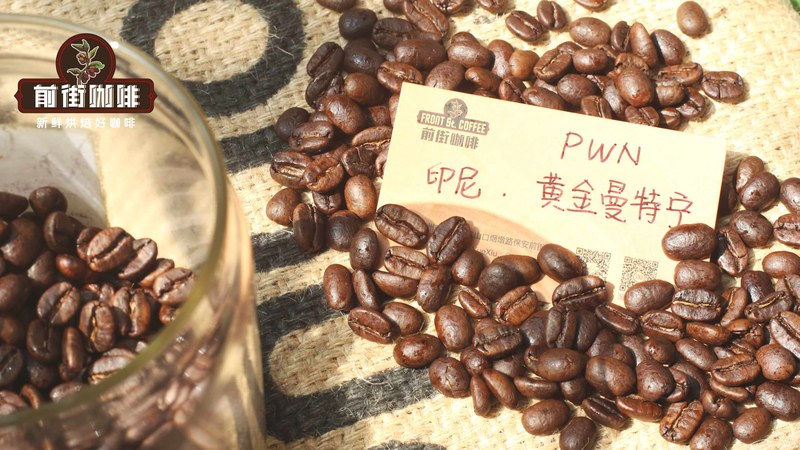
Medium roast is often the ideal starting point for home espresso enthusiasts. Unlike light roasts, which highlight sharp acidity, or dark roasts, which emphasize bold smokiness, medium roasts strike a balanced combination of nuts, caramel, cocoa, and soft fruit acids. When brewed as straight espresso, they deliver moderate sweetness; when diluted into an Americano, they remain full-bodied; and when combined with milk, they still preserve the coffee’s inherent aromas. Their broad compatibility makes them suitable for most people’s everyday coffee needs.
Taking medium roast as an example, these beans often carry a sweet, smooth character reminiscent of peanuts, cocoa powder, and caramel syrup, with gentle acidity. As espresso, they yield a rounded mouthfeel, making them ideal for mixing with hot water to create a smooth Americano. When brewed using a moka pot, they also retain a solid sweetness. For households where some members prefer milk coffee while others enjoy black coffee, medium-roast beans are generally a harmonious choice that accommodates diverse tastes.
Moving slightly darker from medium roast, the coffee’s aroma begins to shift toward roasted nuts, dark chocolate, and caramel, with acidity taking a back seat and a noticeable increase in body and richness on the palate. Beans roasted to this level are well-suited for espresso machines because high-concentration extractions amplify the balance between sweetness and bitterness. When used in oat milk lattes or creamy lattes, the coffee flavor remains distinct and isn’t easily overpowered by grains or milk, resulting in a more robust cup.
Medium-dark roast is especially fitting for those who enjoy espresso as a daily staple. In the morning, if you want a strong, assertive shot of espresso, beans in this roast category are a great choice. In the afternoon, they can also produce a calming cacao-and-caramel tone in iced Americanos. If you find the cup a bit dry, try reducing the yield or slightly coarsening the grind—this can help bring out more sweetness rather than letting bitterness dominate.
Dark roast beans focus on body, low acidity, and pronounced roasty aromas, making them ideal for those who appreciate the traditional image of Italian-style coffee. These beans often feature herbal, dark chocolate, and woody flavor notes, offering a full-bodied sip with a long finish. They perform powerfully when brewed via espresso machine or moka pot, retaining their deep color even when diluted with water. When paired with milk, consider using a smaller amount to make a shorter latte—this helps highlight the bean’s unique character.
It’s important to note that dark roast doesn’t automatically equate to bitter coffee. Extraction methods have a very significant impact on final flavor. On espresso machines, you can experiment with slightly lower water temperatures and shorter extraction times to see if the shot reveals cocoa-like sweetness. If bitterness is too strong, try adjusting to a coarser grind or reducing the amount of liquid extracted toward the end. With a moka pot, maintain a low flame and stop heating as soon as the coffee begins to lighten in color to avoid over-extraction and burnt bitterness.
When choosing roast level, also consider your personal pace of brewing and drinking habits. If you’re often in a hurry and frequently make lattes, medium to medium-dark roast beans are a good priority—they offer wider parameter flexibility, making it easier to adjust both the espresso and milk ratios. If you enjoy exploring flavor layers and often drink iced Americanos, starting with a light roast might be your best bet. If you prefer a heavier mouthfeel, regularly use a moka pot, or love short espressos, then dark roast will likely align more closely with your preferences.
When you receive new beans, it’s recommended to keep the dose constant and gradually adjust the grind size based on flow rate performance and taste. For example, if a light roast seems overly sour, it’s usually due to insufficient contact time between water and coffee grounds—you can appropriately extend the extraction time. If a dark roast shows signs of burnt bitterness, reduce extraction strength to avoid over-extraction. Additionally, always store beans sealed and away from light after opening. Try to purchase only what you’ll consume soon, and wait until the flavors stabilize before accurately determining your preferred roast direction.
There’s no absolutely correct choice when it comes to espresso beans for everyday use—the key is whether they match your usual cup size and taste preferences. If you’re drawn to fruity aromas and freshness, start with a light roast. If you value compatibility with nuts, caramel, and milk coffee, medium roast is usually more reliable. And if you prefer a bold, dark-chocolate-like finish, consider moving toward medium-dark or dark roast. Once you’ve found your preferred direction, fine-tune your recipe further, and your daily coffee routine will become simpler and more enjoyable.
The above content is compiled by CoffeeHunters, a coffee news website.

