







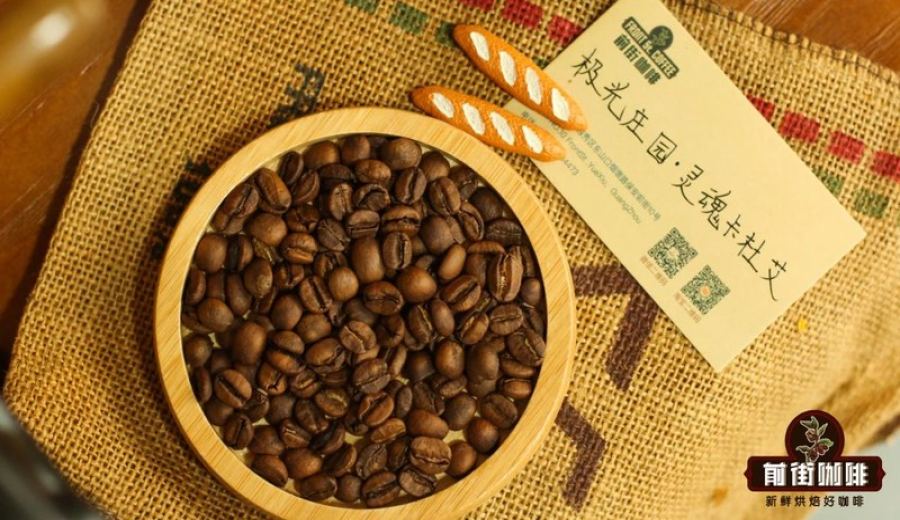
Introduction:When brewing with an espresso machine, the roast level of the beans is the key factor that determines the flavor direction of a cup of coffee. Different roast levels not only affect aroma expression but also directly influence the balance between acidity and sweetness, as well as the overall body and intensity. This article will explore how various roast levels—light, medium, medium-dark, and dark—perform on home semi-automatic or fully automatic espresso machines, as well as capsule systems. We’ll also provide practical extraction tips and pairing suggestions to help you find the coffee beans that best suit your taste.
Espresso machines can quickly extract highly concentrated coffee liquid, and the roast level of the beans greatly affects their aroma profile, acid-sweet distribution, and overall body. If you usually use a home semi-automatic or fully automatic espresso machine, or a convenient capsule system, it’s recommended to start by exploring light, medium, and dark roasts, then refine your selection based on the type of beverage you often drink—such as espresso, americano, or latte. This approach will help you quickly find the coffee beans that match your palate.
Light roast beans, due to their shorter roasting time, retain more of the bean’s original regional characteristics. Common flavors include citrus, berries, subtle floral notes, and even delicate tea-like qualities. The resulting espresso tends to have a bright acidity and vibrant aroma, making it ideal for those who enjoy a fresh and lively taste. However, light roast beans are quite sensitive to grind size, water temperature, and extraction time. They are more likely to showcase their nuanced layers when the machine can steadily control extraction pressure and temperature.
When using light roast beans to make espresso, it is recommended to try a slightly higher water temperature and a slightly slower flow rate to allow the coffee grounds to fully release their aroma and flavor. If you perceive a sharp acidity resembling underripe fruit, it may indicate under-extraction. In this case, you can adjust the grind to be finer or slightly extend the extraction time. However, if the aftertaste presents noticeable astringency or dryness, it signals over-extraction. In such instances, it is advisable to coarsen the grind or shorten the extraction time. Additionally, if using light roast beans for brewing an americano, it’s recommended to dilute with a small amount of hot water first, which helps preserve its lively aroma and natural sweetness.
Medium roast beans typically present a more balanced flavor profile. Common aromas include nuts, cocoa, ripe fruits, and a syrupy sweetness. The acidity is relatively mild and does not overpower the overall flavor, while the balance between sweetness and body is also easier to grasp. For beginners new to using espresso machines, medium roast beans offer greater flexibility in adjustment. Whether you’re directly extracting espresso, diluting with water to make an americano, or adding milk to prepare a latte, they can deliver consistent performance.
For example, a classic medium roast Brazilian bean often exhibits rich roasted nut aromas when brewed in an espresso machine, paired with smooth chocolate and caramel sweetness. The acidity is gentle and the mouthfeel is silky. A short shot of espresso in the morning allows you to focus on its sweet and mellow core. When diluted with hot water to make an americano, it’s also pleasant for savoring slowly, and even adding a small amount of milk can maintain the overall flavor balance.
Medium-dark roast beans shift the flavor focus to deeper levels. Common flavor elements include dark chocolate, cocoa powder, nut skins, and pronounced roasty notes. The acidity is further subdued, giving way to a more noticeable sense of body and richness. This roast level is particularly suitable for those who prefer a bold and intense flavor, and it also works well for preparing large-volume americanos using home machines. During extraction, there’s no need to pursue excessively high temperatures. Maintaining moderate extraction conditions can better highlight the sweetness and avoid monotonous burnt bitterness.
If you prefer a thicker mouthfeel and more intense aroma, medium-dark or slightly dark roast beans are great options to try. When making espresso with these beans, you can slightly shorten the extraction time to make the flavor more concentrated. Even when adding a small amount of milk or preparing an americano, the stable essence of the coffee and its deep flavor background can still be preserved.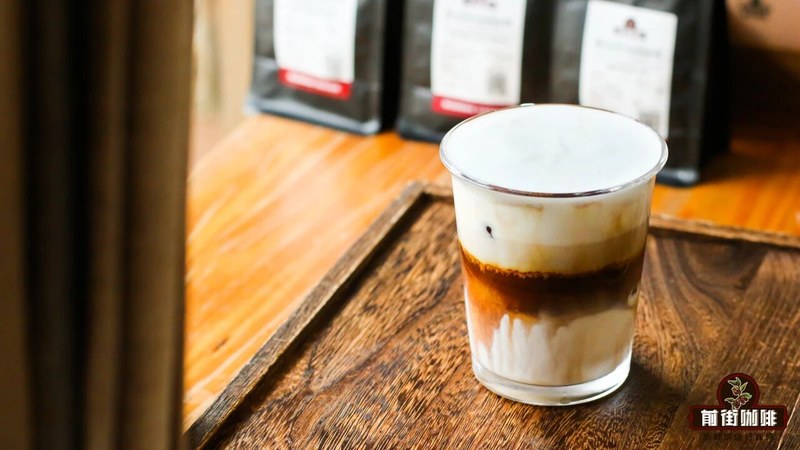
As for dark roast beans, the longer roasting time and higher temperatures transform the aroma into notes of caramel, cocoa, dark nuts, and a subtle smokiness. The crema (coffee foam) is usually richer, the body is more substantial, and the compatibility with milk is excellent. Therefore, dark roast beans are especially suitable for milk-based drinks like lattes and cappuccinos. If you prefer low-acidity, bold coffee with distinct roasty flavors, dark roast beans will better meet your expectations. However, be mindful that dark roast beans are prone to accumulating bitterness during extraction. It’s recommended to appropriately adjust the grind and water temperature to avoid over-extraction.
When choosing coffee beans, in addition to roast level, the brewing ratio of the beverage is also an important consideration. If you often drink short shots of espresso, medium or medium-dark roast beans are recommended, allowing sweetness and richness to take center stage. If you prefer a large cup of americano, medium roast beans can offer a fresher aroma, while medium-dark roast showcases a more grounded profile. As for daily milk coffee drinkers, dark roast or robustly structured blends often pair more harmoniously with milk.
In actual adjustments, it’s recommended to first fix the dose and final yield weight, then observe changes in flow rate during extraction and the resulting flavor feedback. If the acidity is too sharp or the aroma is insufficient, you may need to increase extraction time or adjust to a finer grind. Conversely, if you perceive significant bitterness or throat dryness, consider coarsening the grind, lowering the water temperature, or shortening the extraction time. Furthermore, beans of different roast levels vary in density. When switching bean types, do not directly reuse previous grind settings. It’s advisable to recalibrate.
In summary, roast level is just an entry point for selecting coffee beans. Actual flavor is also influenced by multiple factors such as origin, processing method, roast curve, and storage condition. When purchasing, it’s recommended to prioritize products with clearly labeled roast dates and good packaging sealability. After opening, it’s advisable to store the beans in smaller portions and plan purchases according to your weekly actual consumption. By gradually trying beans of different roast levels, you’ll gain a deeper understanding of your own flavor preferences and be able to brew more diverse and rich coffee flavors using your espresso machine.
The above content is compiled by CoffeeHunters, a coffee news website.

