







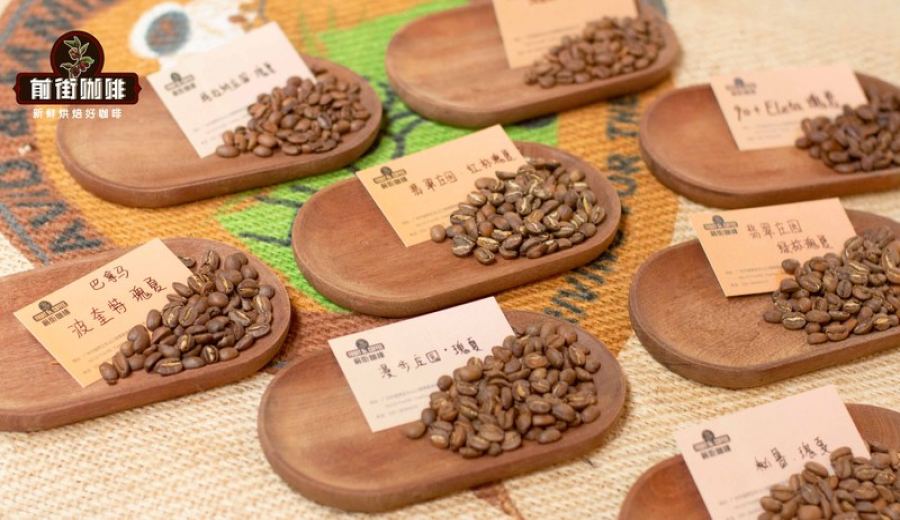
Introduction:Medium-roast coffee beans are the top choice for many home users brewing with espresso machines, as they strike a great balance between aroma, sweetness, and body. Whether you prefer black coffee or milk-based drinks, the right medium roast can showcase a variety of flavors. This article will delve into how to choose medium-roast beans based on personal taste preferences and provide practical extraction parameter suggestions to help you find the coffee beans most suited for your daily brew.
Brewing medium-roasted beans with an espresso machine often achieves an ideal balance between aroma, sweetness, and mouthfeel structure. These beans not only preserve distinct fruit acidity and regional characteristics but also accumulate ample soluble substances, resulting in a richly flavored shot of espresso. Even when diluted into an Americano, it doesn’t easily become thin; paired with milk, the essence of the coffee still comes through clearly. For home users, it’s a choice that offers both versatility and stability.
The term “medium roast” is actually a range rather than a fixed standard. Some medium-light roasts emphasize citrus, berry, or floral notes, offering a bright and lively cup; while medium-dark roasts tend to highlight the steady qualities of cocoa, nuts, and caramel. Both have their advantages in espresso brewing—the key lies in whether you prefer a bright, refreshing flavor profile or a rich, velvety mouthfeel experience.
Since espresso machines extract flavors under high pressure, with the release concentrated within a brief flow period, it's recommended to choose beans with moderate acidity and rich aromatic layers. Medium roasts usually possess good internal development, yielding stable sweetness and nutty tones while maintaining a moderate level of complexity. For beginners, they are also easier to handle and adjust.
If you mainly drink black coffee, prioritize evaluating the clarity of the bean’s aroma and the ratio of acidity to sweetness. When hot water is added to make an Americano, the fruitiness will unfold more fully, and the caramel-like finish can prevent the taste from becoming hollow. On the other hand, if you frequently enjoy lattes or flat whites, pay attention to the density and aftertaste of the coffee itself—choosing a medium roast with a sweet and rounded profile usually blends more harmoniously with milk.
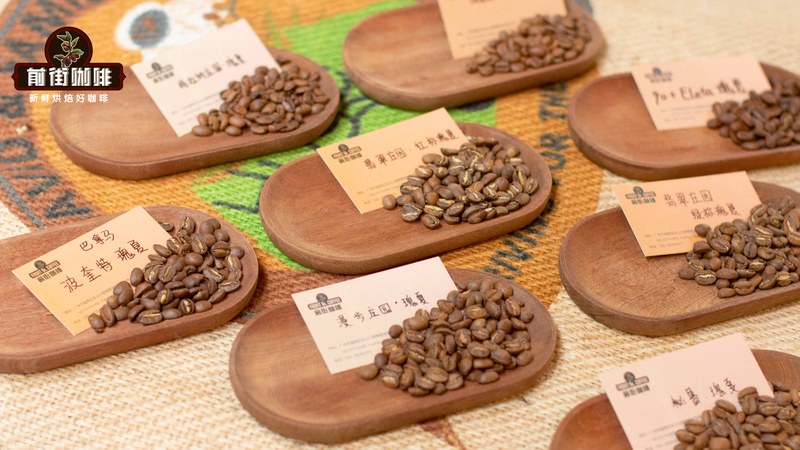
To experience pronounced nutty and chocolatey layers, consider choosing blends based on Brazilian beans. When roasted to an appropriate medium level, these beans often release flavors of roasted nuts, cocoa powder, and caramel-like sweetness, with soft acidity that doesn’t interfere with the expression of milk aroma. When extracted as espresso, the cup is round and balanced, and remains enjoyable when diluted. In milk-based coffee, the contrast between coffee and milk is clear, making it perfect for mornings or afternoons.
If you prefer an Americano with fruity notes, look out for beans with distinct berry or syrupy profiles. When brewed into espresso, even with the addition of ice or water, the fruitiness remains light and vibrant. Though they can also be used in milk coffee, it’s advisable to reduce the milk ratio to let the berry aroma stand out more, adding a touch of fun to your daily cup.
It’s worth noting that medium roast does not necessarily mean entirely bright or mild. If you’re after low acidity, a full body, and darker-toned flavors, you might explore options at the intersection of medium and medium-dark roasts. These beans often carry herbal or dark chocolate notes, with a rich texture that remains steady whether used for espresso or Americano. With a small amount of milk, the bitterness and sweetness become softer, suiting those who enjoy a bold flavor profile.
When purchasing medium-roast beans, be sure to pay attention to how the roaster labels the roast level. Some brands classify darker-toned medium roasts as medium-dark, while others use terms like “city roast.” A single term may not be enough to judge the actual flavor—recommend combining it with the flavor descriptions in the product details: if the emphasis is on acidity and fruitiness, it typically falls into the bright category; if it highlights nuts, cocoa, and caramel, it’s usually more full-bodied, suitable for different styles of espresso beverages.
When first experimenting with medium-roast beans, you can start with 18 grams of coffee grounds, aiming for an output of about 36 grams, and control the extraction time between 25 to 32 seconds to observe the results. If you detect sharp acidity or fleeting aromas, it may be due to too coarse a grind or overly fast flow rate; if your palate feels dry and bitterness overpowers sweetness, consider slightly adjusting to a coarser grind or reducing the output. For water temperature, start with 90 to 93 degrees Celsius—beans with more fruity notes suit slightly lower temperatures, while those leaning toward cocoa or chocolate tones can tolerate a slightly higher one.
It’s important to note that the same medium-roast beans can present different profiles under different brewing methods. Hot drinks bring out sweetness and aftertaste more clearly, adding ice often refreshes the acidity, while milk softens the mouthfeel and tempers some fruit acid expression. It’s recommended to first clarify the type of coffee you consume most at home, then select beans with a compatible flavor profile—this way, your purchase can truly integrate into daily life and become an everyday coffee enjoyment.
Lastly, don’t forget that bean freshness is crucial for espresso performance. Beans typically require a few days to degas after roasting, and it’s best to fine-tune only once the aroma stabilizes and the flow becomes consistent. After opening, minimize exposure to air, store in a dry, cool place, and purchase according to your consumption rate to ensure each brew delivers optimal flavor. Medium-roast beans not only satisfy black coffee lovers’ quest for aroma but also stand up to the challenge of milk and ice—from mellow nuts to bright fruitiness, they always bring satisfaction to your daily cup.
The above content is compiled by CoffeeHunters, a coffee news website.

