







Introduction:When selecting Yirgacheffe coffee beans suitable for beginners, it's important to consider your budget, drinking habits, as well as understanding the processing method and roast level. This article will guide you from the perspective of everyday drinking, recommending several beginner-friendly Yirgacheffe options with clear and approachable flavors. We’ll also share brewing parameters and flavor observation methods to help you easily find the beans that suit you best.
When thinking about beginner-friendly Yirgacheffe beans, start by considering how you usually drink coffee: do you prefer multiple cups of black coffee a day, or do you lean toward milk-based coffee drinks? How often do you drink coffee? How much should you buy at once to avoid waste? These factors will influence your purchasing direction. If you mainly drink black coffee, pay more attention to the aroma complexity and aftertaste sweetness; if you frequently make milk coffee, prioritize the body and strength of the beans to ensure they retain enough flavor even after adding milk.
To choose a beginner Yirgacheffe option, you can start with two questions: How much acidity are you comfortable with? What brewing equipment do you usually use? Instead of chasing complex origin or processing method names, focusing your budget on ensuring the beans are fresh, the roast is stable, and the packaging is appropriate better meets practical needs. Once these directions are clear, you can further compare regional characteristics, processing methods, and prices without feeling overwhelmed by information.
To understand beginner Yirgacheffe options, first clarify that Yirgacheffe is actually a famous coffee-growing region in Ethiopia, not a single coffee variety. This region commonly features both washed and natural processing methods. Washed beans typically have clearer aromas, with distinct citrus and floral notes; natural processing tends to showcase ripe fruitiness and sweetness. Therefore, when choosing beginner beans, besides looking at the region name, you should also consider the processing method, roast date, and specific batch to comprehensively judge the flavor profile.
Taking a common beginner Yirgacheffe bean as an example, a certain brand’s Yirgacheffe Guji Dingding is a good reference choice. This bean clearly exhibits a washed processing style, often showing citrus, berries, and white floral notes, paired with a green tea-like aftertaste, making it very suitable for pour over to observe its delicate flavors. If you want the flavors to be clearer, it is recommended to use clean water and opt for a medium-coarse grind. You can first taste it as a hot drink, then wait for the temperature to drop slightly to experience the flavor changes. If you find the acidity too sharp, check whether the extraction is sufficient first, rather than immediately dismissing the light roast style.
For beginners just getting into Yirgacheffe, you can start with a smaller package to confirm your drinking frequency before deciding on future purchase amounts. The flavor profile of this Guji Dingding bean includes pour over, iced pour over, and even refreshing black coffee, making it a great starting point to adapt to different drinking habits. It is recommended to first fix a set of parameters you like, such as grind size, water temperature, and pouring method, then gradually fine-tune to find the brewing combination that suits you best.
When observing this Yirgacheffe Guji Dingding, you can separately record the flavor changes at hot, warm, and near-room temperature. You’ll find that citrus, berries, and white floral notes gradually reveal different layers as the temperature drops, and the green tea-like aftertaste may also become more pronounced. This phased flavor recording helps you better understand the bean’s characteristics and apply that knowledge to your daily coffee experience—much more useful than simply concluding “tastes good” or “doesn’t taste good.”
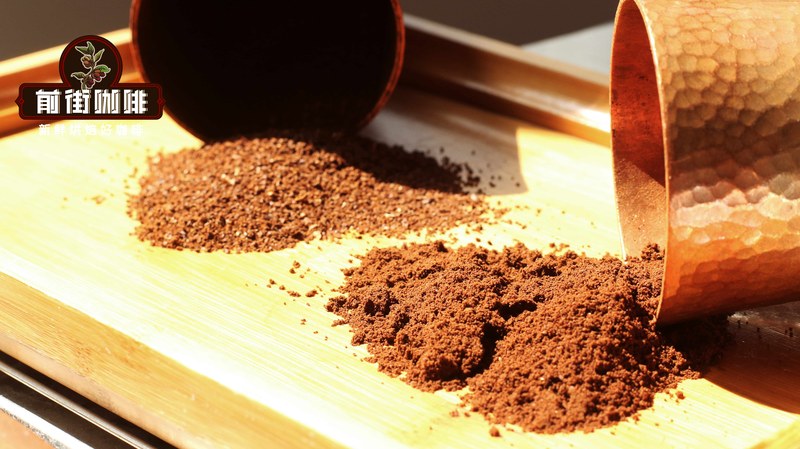
In daily brewing, there’s no need to frequently change the recipe. For light-roast beans like Yirgacheffe, it’s recommended to use about 15 grams of coffee grounds with 225 grams of water, keeping the water temperature at around 90°C and using a medium-coarse grind. When pouring, first evenly wet the coffee grounds, then proceed with a segmented and steady pour, avoiding concentrated impact on one area. This helps bring out clearer floral and citrus notes. This basic parameter set is suitable for Yirgacheffe beginner beans, but adjustments should still be made based on your personal tasting experience—there’s no need to obsess over precise numbers.
After brewing, don’t judge the bean’s performance only at high temperatures. As the coffee cools from hot to warm, and even near room temperature, the flavors will show different layers—for instance, fruit acids may become softer and clearer, while caramel or nutty sweetness might gradually emerge. By recording the aroma, taste, and aftertaste at different temperatures, you can gain more concrete guidance for adjusting your next brew.
By incorporating beginner Yirgacheffe beans into your daily routine, your judgment will become increasingly accurate. Purchase only what you can finish in a timely manner—not only does this help maintain the beans’ optimal aromatic state, but it also helps you better control spending. A certain brand’s Yirgacheffe Guji Dingding can serve as a stable reference benchmark. Familiarize yourself with its performance under medium-coarse grind and various water temperatures first, then decide whether to try other batches or processing methods from the same region to further expand your coffee experience.
The above content is compiled by CoffeeHunters, a coffee news website.

