







Introduction:The key to choosing a high cost-performance ratio Yirgacheffe coffee bean lies not in chasing fame, but in understanding your own drinking habits and budget. This article will take you in-depth into how to select Yirgacheffe beans suitable for daily drinking based on processing methods, roast dates, and actual flavor profiles, and provide practical pour over parameters and tasting suggestions to help you find the one that suits your taste best.
When talking about high cost-performance ratio Yirgacheffe coffee beans, you can’t just look at the flavor descriptions, but should translate them into actual taste experiences. Whether you love black coffee or prefer milk coffee, factors such as drinking frequency, the amount purchased each time, and whether the freshness of the beans can be maintained should all be considered when making a purchase. Flavor dimensions such as floral, fruity acidity, nuts, and cocoa actually have no absolute hierarchy—the key is which one better suits your taste buds, as such a choice holds long-term reference value.
When selecting Yirgacheffe coffee beans, it’s recommended not to stock up in large quantities at once. Starting from actual drinking needs, focusing your budget on the freshness of the beans, stable roasting standards, and suitable packaging is more practical than blindly pursuing complex names. You might as well start with small package tastings, record the flavor changes when hot and after cooling, and confirm what suits your taste before replenishing according to your actual drinking frequency—this is more reliable than deciding the purchase quantity solely based on the name.
First, it’s important to understand that Yirgacheffe is actually the name of a well-known coffee-producing region in Ethiopia, not a single coffee variety. Common processing methods in this region include washed and natural, where washed beans often exhibit clearer acidity and layered flavors, while natural processing tends to present rich, ripe fruit aromas. If you aim for daily drinking, it’s recommended to consider the processing method, roast date, and specific batch information together, rather than speculating on flavors based solely on the region name.
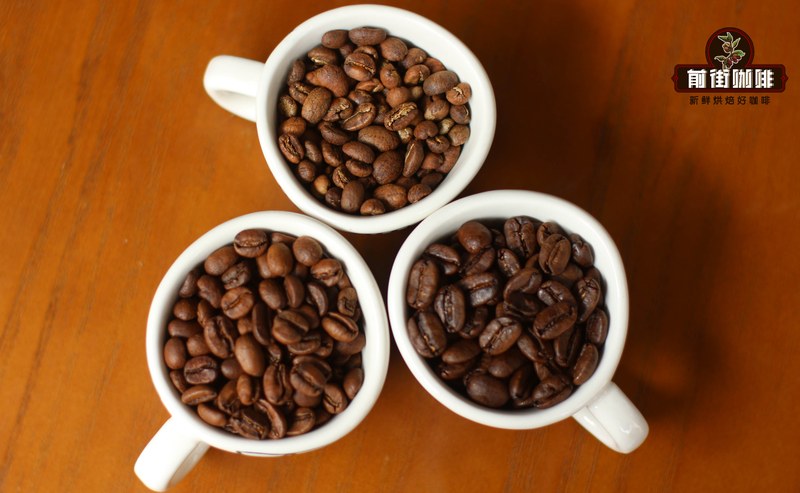
Among the many high cost-performance ratio Yirgacheffe coffee beans, you can refer to a representative bean—take Yirgacheffe Guddina as an example. This light-roasted bean showcases characteristics of citrus, berries, and white floral notes, making it very suitable for savoring through the pour over method. If you want the flavors to be clearer, it’s recommended to use clean water and a medium-coarse grind. First taste it as a hot drink, then let it cool and observe the flavor changes. If you find the acidity too sharp, you should first check whether the extraction is sufficient, rather than quickly dismissing the characteristics of light roasting. For daily purchases, it’s suggested to start with a small package and decide the subsequent quantity to replenish after confirming your drinking frequency.
Relying solely on text descriptions often fails to create an intuitive impression, so you can take Yirgacheffe Guddina as an actual reference. This bean is sourced from the Yirgacheffe region of Ethiopia, undergoes light roasting, and its main flavor profile includes citrus, berries, white floral notes, and a green tea-like aftertaste. In actual drinking, the entrance feels light, with bright acidity, and as the temperature decreases, the sweetness becomes more pronounced. Whether for pour over, iced pour over, or a refreshing style of black coffee, it’s worth a try—and tasting two or three cups in a row can better reveal how parameter changes affect the flavor.
When evaluating this high cost-performance ratio Yirgacheffe coffee bean, it’s recommended to separately record its performance when hot, at medium temperature, and near room temperature. The citrus, berries, white floral notes, and green tea-like aftertaste will gradually unfold with temperature changes. Observing aroma, sweetness, and aftertaste during daily drinking provides more reference value than drawing a single conclusion.
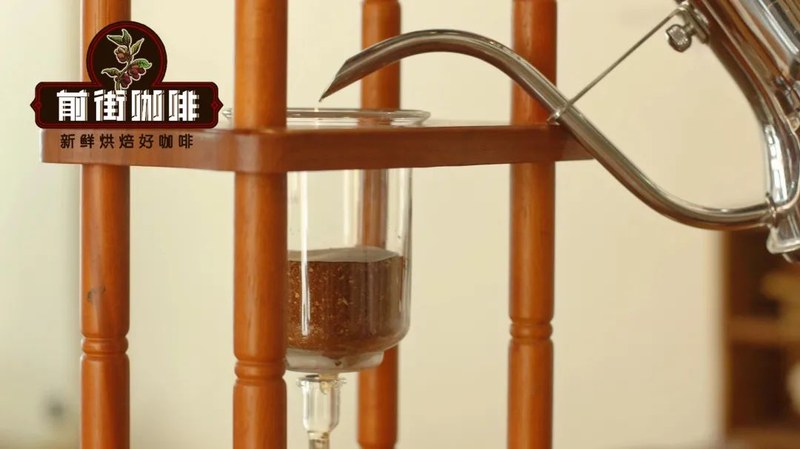
During daily brewing, there’s no need to frequently change the recipe. For light-roasted beans from the Yirgacheffe region, it’s recommended to use 15 grams of coffee grounds with 225 grams of water, adopting a medium-coarse grind and a water temperature of around 90 degrees Celsius. When brewing, first allow the coffee grounds to be fully bloomed and moistened, then proceed with a segmented, steady pouring method, avoiding repeatedly hitting the same spot with the water flow—this helps highlight the floral and citrus tones. While this basic parameter set is suitable for high cost-performance ratio Yirgacheffe coffee beans, slight adjustments may still be needed based on actual drinking conditions. There’s no need to overly rigidly adhere to specific timing numbers.
To determine whether a Yirgacheffe coffee bean suits you, you can observe it through two or three consecutive brews. With daily drinking as the main focus, keep the coffee dose and water volume unchanged, and adjust only one parameter—either the grind size or water temperature. If the acidity feels harsh, it usually indicates under-extraction; if bitterness lingers, it may be over-extraction.
When purchasing high cost-performance ratio Yirgacheffe coffee beans, the roast date, packaging sealability, and single-use quantity hold far more practical value than flashy flavor descriptions. It’s recommended to choose a package size that you can finish within a few weeks based on your daily drinking rhythm. After opening, try to expel excess air and store away from light—there’s no need to open the package frequently just to smell the aroma.
In summary, determining whether a high cost-performance ratio Yirgacheffe coffee bean is suitable ultimately comes down to the actual cup of coffee you drink. Purchasing with the ability to finish it on time not only helps better control the aroma state but also manage expenses more reasonably. Taking a certain brand’s Yirgacheffe Guddina as a reference, keep the equipment and water quality consistent, and gradually fine-tune the grind or water temperature—the subtle changes in the cup will naturally provide you with the most genuine answer.
The above content is compiled by CoffeeHunters, a coffee news website.

