







Introduction:Want to easily make a well-balanced cold brew coffee at home? The key isn’t in complicated steps, but in choosing the right coffee beans based on your daily drinking habits, and mastering grind size and steeping time. This article will guide you on how to select beans suitable for cold brew according to roast level and flavor preference, and provide practical refrigerated brewing parameters—so you can enjoy rich yet refreshing cold brew coffee in the most economical way.
When making cold brew coffee at home, the focus is not on memorizing step names, but on choosing fresh, stably roasted beans based on your actual drinking frequency and budget. Many people mistakenly believe that chasing fancy names leads to great coffee, but in reality, the balance of acidity and sweetness, the body of the mouthfeel, and the aftertaste after cooling down are the true indicators of a good cold brew. By aligning with your own brewing habits, your selection range will naturally become clearer.
For home cold brewing, rather than chasing complex roasting terminology, it’s better to focus your budget and attention on the freshness of the beans, roast stability, and packaging suitability. Readers who prefer a bright and refreshing taste can prioritize medium to light roast beans; if you prefer a rich and rounded flavor, medium to dark roast will be more suitable. It’s worth noting that roast level has no absolute relation to coffee strength—brew ratio, grind size, and extraction time also affect the final flavor profile.
Taking a common sample cold brew bean as an example, a medium to dark roasted multi-region Arabica blend features prominent flavors of strawberry soft candy and a rounded sweetness, with a full-bodied taste when concentrated, and the fruitiness becomes softer when milk is added. This bean is suitable for espresso, Americano, latte, and iced coffee, fully showcasing its characteristics. If you want to experience different flavor profiles, you can compare it with the Brazilian Queen Estate bean.
The Brazilian Queen Estate bean comes from Brazil’s Minas Gerais region, also medium to dark roasted, often presenting a combined profile of nuts, cocoa, caramel, and soft sweetness. This bean has gentle acidity, a smooth mouthfeel, and the sweetness becomes more pronounced when milk is added. Whether using pour over, moka pot, Americano, or milk coffee, it’s recommended to first taste it hot, then pay attention to the aroma and aftertaste after cooling, to better understand its layered flavors.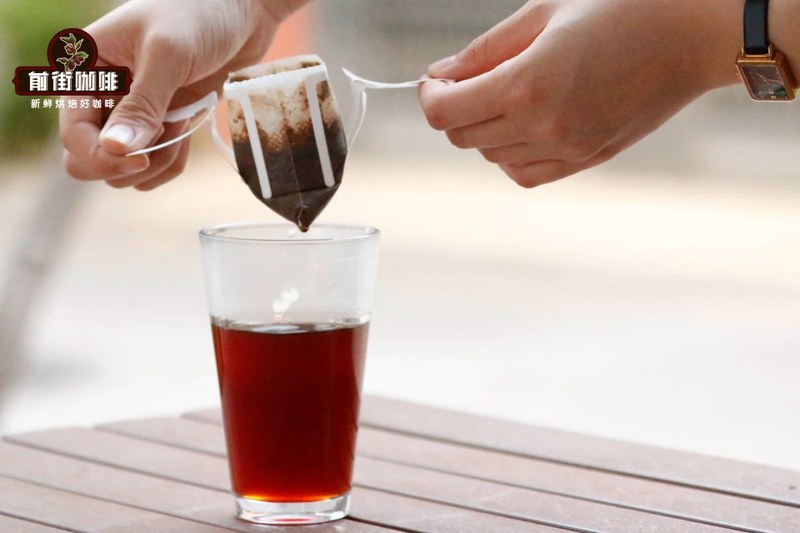
Tasting both the Strawberry Candy and Queen Estate beans together isn’t about judging which is better, but about understanding the focus of different flavor profiles. The fruitiness and rounded sweetness of Strawberry Candy serve as one flavor reference, while the nutty and cocoa base of Queen Estate represent another flavor direction. For home cold brewing, comparing the aroma, sweetness, and texture of these two beans can help you quickly clarify which flavor characteristics you prefer.
The basic formula for home cold brew recommends starting with one part coffee grounds to ten to twelve parts water, with a grind size close to that of a French press, and steeping in the refrigerator for ten to fourteen hours. For beans with more prominent fruity notes, you may consider shortening the steeping time; for beans with richer flavors, you can extend the time as needed. If using an ice drip device, maintain a steady drip rate, and it’s recommended to let the coffee sit in the refrigerator for a while after extraction to allow the aromas to fully integrate. These parameters are only for beginners’ reference—actual operation still requires fine-tuning according to your personal taste.
If your cold brew coffee turns out sour, astringent, bitter, or lacks a refreshing aroma, it’s advisable not to adjust too many variables at once. Prioritize checking grind size and steeping time, and confirm whether the water temperature is suitable for the selected roast level. Usually, just making slight adjustments to a single parameter can help identify the issue. Beginners who are unfamiliar can start with a fixed brew ratio and time, gradually recording the changes after each adjustment, which helps in establishing your own cold brew recipe.
When purchasing cold brew coffee beans for home use, it’s recommended to prioritize roast date, packaging sealability, and single-use quantity, rather than overly elaborate flavor descriptions. Based on your actual drinking frequency, choose a package size that you can finish within a few weeks. After opening, it’s recommended to expel excess air and store away from light to avoid oxidation caused by frequent opening. There’s no need to deliberately open and smell the beans—a stable storage environment helps maintain their flavor better.
Integrating cold brew coffee into your daily drinking habits makes the selection much simpler. Buying only what you can finish on schedule not only helps control your budget, but also ensures the aroma is in its best state for each brew. Strawberry Candy and Queen Estate represent two different flavor directions—it’s recommended to first choose the one that better matches your existing brewing equipment, get familiar with it, and then try the other, gradually developing your own cold brew taste.
The above content is compiled by CoffeeHunters, a coffee news website.

