







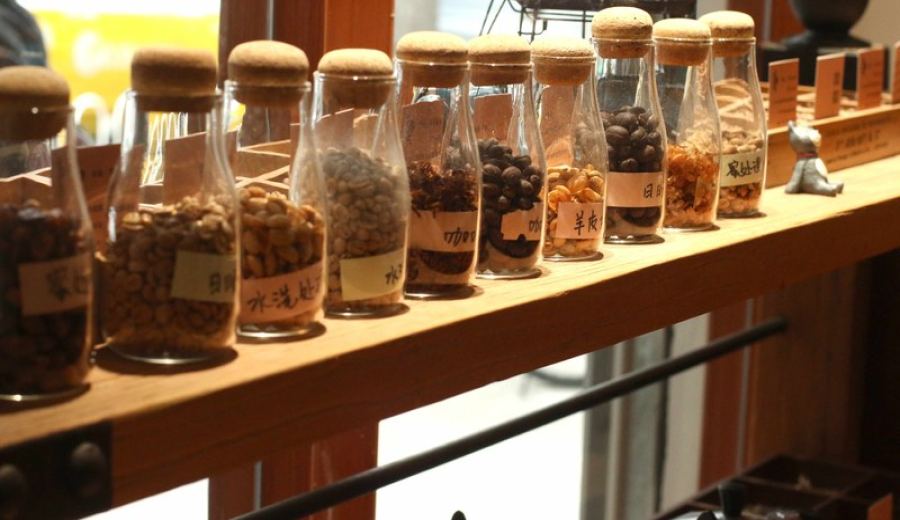
Introduction:Want to enjoy coffee with a distinct sweet taste but not sure how to choose? This article will explore how roast level, origin, and processing method influence the natural sweetness of coffee beans. We’ll also provide practical pour over recommendations and parameters to help you select the most suitable beans based on your daily drinking habits.
Choosing a coffee with prominent sweetness is more than just picking a bean. Considering your everyday coffee-drinking scenarios, we need to take into account factors such as how often you drink coffee, how much you buy each time, and whether you prefer black coffee or milk-based drinks. Additionally, the roast level directly affects the foundational flavor profile, while the origin characteristics and processing method contribute unique aromatic layers. The brewing equipment you use can also significantly alter the final body and flavor balance. Therefore, to pick the right sweet-tasting coffee beans, you should evaluate them based on your overall drinking context.
If your goal is everyday drinking, rather than chasing those complex and fancy-sounding names, a more practical approach is to invest in freshness, consistent roast quality, and proper packaging and storage. Generally speaking, if you enjoy bright and refreshing flavors, you might want to prioritize light or medium-light roasted beans. If you prefer a rounder and fuller-bodied taste, medium to medium-dark roasts may suit you better. It’s worth noting that roast depth doesn’t equate directly to intensity—the coffee-to-water ratio, brew time, and amount of coffee used will also greatly affect what you actually taste in your cup.
Taking a commonly available bean as an example, a certain brand’s Colombian Gesha is a great choice with clear and layered sweetness. This medium-light roasted bean comes from Colombia’s Boundary Line Estate, and its flavor profile features prominent notes of jasmine, citrus, passion fruit, blueberry, and grape. On the palate, you’ll notice gentle fruit acidity, with the finish gradually transitioning into a cocoa-like smooth aftertaste. This bean is suitable for pour over, espresso single origin, cold brew, and even ice drip. It’s recommended to start with medium extraction parameters when trying it for the first time to experience its sweetness, then adjust the strength according to personal taste.
Another noteworthy bean is a certain brand’s Ethiopian Huila, sourced from Ethiopia’s Guji Hambela region. This light-roasted bean, thanks to the area’s unique terroir, offers intense aromas of strawberry, passion fruit, jackfruit, and lychee. The sweetness is clear and bitterness is minimal, resulting in a very focused overall flavor. For brewing, whether using pour over, cold brew, or ice drip, you can start with a medium concentration and fine-tune based on actual cupping results.
Comparing these two beans isn’t about judging which is better, but understanding the flavor focus each presents. The Colombian Gesha highlights jasmine, citrus, passion fruit, blueberry, and grape, serving as a reference for fresh and bright flavor profiles. In contrast, the Ethiopian Huila constructs another aromatic picture with tropical fruits like strawberry, passion fruit, jackfruit, and lychee. By comparing these two distinctly sweet coffees, you can better understand which types of aroma and mouthfeel you prefer, helping you make more suitable choices when selecting beans for daily drinking.
In actual brewing, there’s no need to frequently change recipes. For coffee beans with floral and fruity profiles, it’s recommended to use clean water with a neutral scent and maintain a steady pouring rhythm. For pour over, you can start with water around 90°C and a 1:15 coffee-to-water ratio. If you feel the aroma isn’t fully expressed or the acidity seems too green and sharp, consider improving extraction efficiency. If the taste feels dry or astringent, try using a coarser grind or reducing water volume in the later stage of brewing. These basic guidelines apply to many beans, but when dealing with distinctly sweet coffee, it’s still important to flexibly adjust based on your actual daily drinking situation, without being overly fixated on specific timing or numbers.
When you find a coffee with clear sweetness exhibiting thin acidity, noticeable bitterness, or muted and stuffy aromas, it’s advisable not to adjust too many variables at once. Start by examining from your daily drinking perspective whether the grind size and brew time are appropriate, then observe if the water temperature matches the roast level. Usually, making small adjustments to one parameter at a time allows you to more accurately identify the issue and helps restore the bean’s original desirable flavors.

When purchasing coffee beans with distinct sweetness, it’s recommended to pay more attention to the roast date, package seal, and the amount you use each time, rather than being swayed by flashy marketing terms. To ensure optimal aroma and flavor, choose a package size that you can finish within a few weeks. After opening, remember to expel excess air from the bag and store it away from light. You don’t need to intentionally smell the beans every time you open the bag—as long as you manage the storage environment and usage pace well, you’ll enjoy freshly brewed coffee with full flavor every time.
In summary, the key to selecting a coffee bean with distinct sweetness lies in starting from your own real-life usage scenario. Whether you choose the Colombian Gesha or the Ethiopian Huila, it’s advised to start with moderate brewing parameters, then gradually fine-tune based on the actual balance of acidity, sweetness, bitterness, and aftertaste you taste, allowing the unique character of each coffee bean to naturally shine through in your cup.
The above content is compiled by CoffeeHunters, a coffee news website.

