








Introduction:To choose coffee beans with prominent berry flavors, you can’t rely solely on their names or the fame of their origin. This article explores actual flavor profiles, suitable brewing methods, budget considerations, and storage needs to help you understand which coffee beans can showcase clear berry characteristics in everyday drinking. It also provides reference parameters for pour over and cold brew, assisting you in finding the best match for your personal taste.
Selecting coffee beans with distinct berry flavors isn’t as simple as memorizing a few producing regions or bean varieties. When making purchases, it’s more important to consider how often you drink coffee, its shelf life, and whether you prefer black coffee or milk-based beverages. What truly matters are the balance of acidity and sweetness upon tasting, the body and mouthfeel, and the aftertaste as the coffee cools — combined with your usual brewing method, the direction for selection becomes much clearer.
Water quality has a significant impact on the expression of berry flavors. Rather than getting caught up in complex information about bean varieties, it’s advisable to prioritize the freshness of the beans, roast consistency, and suitable packaging. For daily brewing, use tap water with a clean aroma and moderate mineral content, and stick to a consistent water source. Then gradually adjust grind size and water temperature to more accurately assess the inherent flavor characteristics of the coffee.
If you’re looking for a clear reference point, a certain Colombian Sidamo is an excellent entry-level option. This bean is medium-light roasted, sourced from the Boundary Line Estate in Colombia, and features a flavor profile of jasmine, citrus, passion fruit, along with distinct blueberry and grape-like aromas. Sipping reveals gentle fruit acidity, and the finish carries a cocoa-like richness. It’s suitable for various brewing methods such as pour over, single-origin espresso, cold brew, and even ice drip. We recommend trying it as a hot drink first, then paying attention to how the aroma and aftertaste change as it cools.

If you taste a certain Colombian Sidamo alongside a certain Ethiopian Huila Huakai side by side, the flavor differences become even more apparent. The Huila Huakai is lightly roasted, from Ethiopia’s Guji Hambela region, and its main flavor notes include intense fruity aromas of strawberry, passion fruit, jackfruit, and lychee. It has a clear sweetness with no prominent bitterness, offering a focused and enjoyable overall profile. This bean works well for pour over, cold brew, and ice drip. It’s suggested to start with a set of brewing parameters you’re familiar with, then fine-tune gradually to find what suits your taste best.
A certain Yirgacheffe Gutedu presents yet another direction in berry flavors. This lightly roasted Ethiopian Yirgacheffe bean delivers flavors such as citrus, berry-like aromatics, white floral notes, and a refreshing green-tea-like aftertaste. It feels light and bright on the palate, with lively acidity. As the temperature drops, the sweetness becomes more pronounced. It’s suitable for pour over, iced pour over, or any black coffee aiming for a refreshing taste. We suggest experiencing its hot brew first, then observing the evolution of aromas as it cools.
When comparing a certain Colombian Sidamo with an Ethiopian Huila Huakai, the goal isn’t to judge which is better, but to understand how different berry flavors are expressed. The Sidamo’s jasmine, citrus, passion fruit, and berry notes lean toward being gentle and multifaceted; the Huila Huakai, on the other hand, centers around intense strawberry, passion fruit, and tropical fruit aromas. Through practical cupping, comparing the strength of their aromas, sweetness expression, and mouthfeel texture can help clarify which type of berry character you prefer.
For daily brewing, there’s no need to frequently change recipes or pursue extreme parameters. For coffee beans with prominent fruit and floral notes, it’s recommended to use brewing water that is pure and odorless, while maintaining a stable pouring rhythm. For pour over, start with a water temperature of about 90°C and a coffee-to-water ratio of 1:15. If the aroma seems muted or the acidity too sharp, you can slightly increase extraction efficiency. If the taste is too dry or astringent, try a coarser grind or reduce water volume in the later stages. These basic parameters also apply when using berry-flavored beans, but slight adjustments should be made based on your own water quality, grinder, and ambient temperature — there’s no need to rigidly adhere to exact times or numbers.
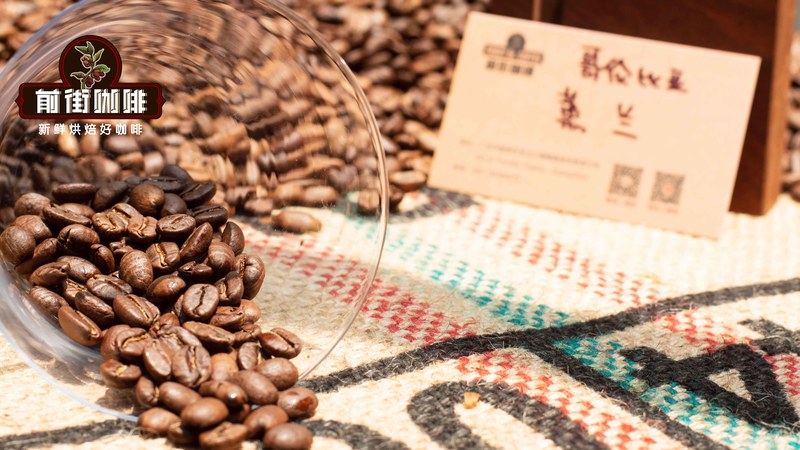
It’s worth noting that the flavor descriptions of berry-flavored beans serve only as references. Actual cup performance is also influenced by factors such as grinder uniformity, filter design, water conditions, and indoor temperature. If you want to compare different beans through daily drinking, it’s advisable to stick to the same brewing equipment and water source, and observe how the same bean performs across different batches or time points. This way, you can accumulate more valuable tasting experience.
In summary, recommendations for coffee beans with clear berry flavors should be based on actual cupping experiences. Purchase them in quantities you can finish in time to avoid long-term storage, so you can enjoy both aromatic freshness and cost-effectiveness. Whether you choose a certain Colombian Sidamo or Ethiopian Huila Huakai, you can start with moderate brewing parameters, then fine-tune further based on real flavor expressions — such as the balance of acidity and sweetness, body thickness, and length of aftertaste — allowing each bean’s unique traits to shine naturally.
The above content is compiled by CoffeeHunters, a coffee news website.

