








Introduction:When selecting dark roast coffee beans, considerations often include budget, frequency of consumption, and equipment compatibility. This article takes a daily drinking perspective to analyze how to choose dark roast beans that balance freshness and cost-effectiveness based on personal taste preferences and usage scenarios. Through flavor analysis of two classic dark roast beans, it helps readers master extraction parameter adjustments and establish their own coffee flavor memory.
From a green bean to a cup of aromatic coffee, the process involves roasting, grinding, and extraction—each stage impacts the final flavor. When choosing dark roast coffee beans for everyday use, it’s recommended to first consider your drinking frequency, the amount purchased per order, and the ratio of black coffee to milk coffee you typically make. Once you clarify the type of equipment you usually use and your desired flavor profile, you can more effectively compare specific bean options, making the decision-making process clearer and more straightforward.
When choosing dark roast beans, you might start by asking yourself two key questions: How much acidity are you willing to accept? And what brewing methods do you usually use? Focusing your budget on the freshness of the beans, consistency in roasting, and appropriate packaging is more aligned with actual drinking needs than chasing complex origin names or processing methods. Once these basic directions are clear, you can then delve into comparing regions, processing methods, and prices without feeling overwhelmed by too much information.

Taking an actual bean variety as an example, consider the Papua New Guinea Bird of Paradise dark roast coffee bean. It is based on a medium-dark roast setting from the Western Highlands region of Papua New Guinea, with main flavor notes including nuttiness, cocoa undertones, caramel sweetness, and gentle layers of sweetness. In practice, its acidity is not prominent, and the overall mouthfeel is clean and rounded. It’s worth trying whether using a pour over, moka pot, American drip, or pairing with milk for a milk coffee. Brewing two or three cups in a row makes it easier to observe how parameter changes affect the flavors.
Another reference bean is the Indonesian Golden Mandheling, sourced from the Sumatra region. The unique terroir of this region, combined with dark roasting, delivers herbal notes, dark chocolate flavors, and subtle hints of spice in the cup. Overall, it has low acidity, a full and rich body, and a long-lasting aftertaste. This bean is suitable for various brewing methods, including pour over, moka pot, espresso, and milk coffee applications. It’s recommended to record flavor performance at different temperatures using a fixed recipe.
Comparing these two dark roast beans together, the focus isn’t on judging which is better but rather understanding each one’s flavor emphasis. The Papua New Guinea Bird of Paradise offers nuttiness, cocoa, and caramel sweetness, serving as a flavor benchmark, while the Indonesian Golden Mandheling provides another distinct profile through its herbal and spicy notes. By regularly tasting both dark roast beans and comparing their aroma intensity, sweetness levels, and texture, you can more quickly identify your preferred flavor direction.
During daily brewing, there’s no need to frequently change recipes. For medium-dark and dark roast beans, it’s recommended to keep the water temperature between 85–89°C to avoid over-extraction in the later stages, which can lead to bitterness. Use a medium-coarse grind for pour over, maintain a small to medium flame for the moka pot, and pay attention to flow rate when using an espresso machine. If the coffee tastes too bitter, prioritize reducing extraction strength rather than blindly increasing the coffee dose. While these basic principles apply to dark roast beans, they should still be adjusted according to your personal daily drinking experience—there’s no need to rigidly pursue specific time values.
When trying dark roast beans for the first time, don’t rush to decide whether you like or dislike them. Through multiple tastings, carefully distinguish the aroma, sweetness layers, mouthfeel texture, and aftertaste variations before deciding if the next cup needs adjustments to grind size, water temperature, or brewing time. Your taste judgment will become more accurate as you gain experience.
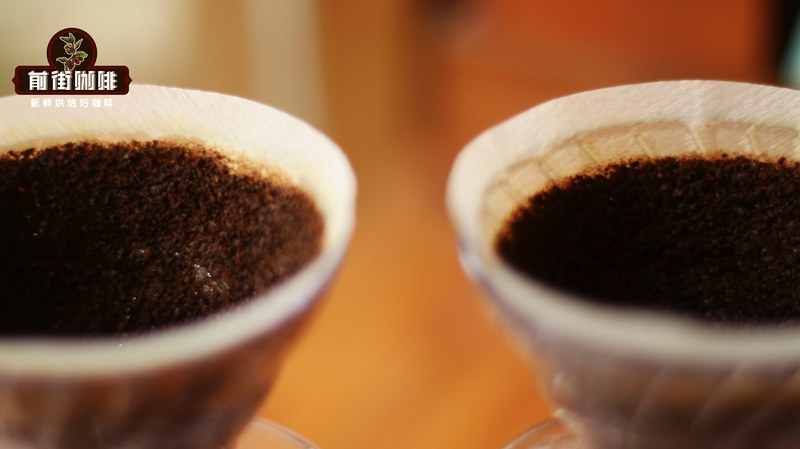
In terms of budget allocation, consider both the grinding efficiency and the freshness of the beans. Plan your spending reasonably based on your daily drinking frequency, and opt for a bean that suits your existing equipment and can be consumed within its shelf life—this often provides more practical value than buying large bulk packages. Any remaining budget can also go toward improving water quality or investing in a more uniform grinder to further enhance overall brewing quality.
Once dark roast beans become part of your daily routine, purchasing decisions naturally become much simpler. Buying in amounts that ensure you finish them on time not only helps maintain the beans’ optimal aromatic state but also allows for better budget control. The Papua New Guinea Bird of Paradise and Indonesian Golden Mandheling represent different flavor focuses. It’s recommended to first choose one that better matches your current equipment, and once familiar, try the other—the development of your taste preference will gradually take shape.
The above content is compiled by CoffeeHunters, a coffee news website.

