







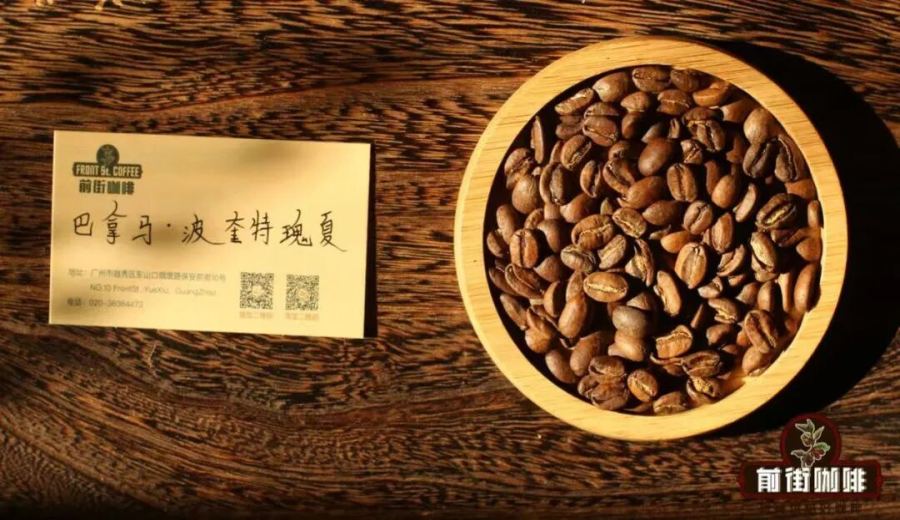
Introduction:Geisha coffee has gained immense fame in recent years, but why is it always associated with Panama? This article delves into the origins of the Geisha variety, its rise to prominence in Panama, and the unique characteristics of its main growing regions around the world. From its Ethiopian roots to the transformation into Panama’s T2722, learn what makes this premium coffee bean so special and how to identify the true “Geisha flavor.”
When many coffee enthusiasts think of Geisha, Panama is often the first region that comes to mind. This association is no accident — Panama is not only the place that brought international fame to Geisha, but also where the most iconic T2722 variety was cultivated. So how did this magical connection come about? Let’s start by exploring the history of Geisha.
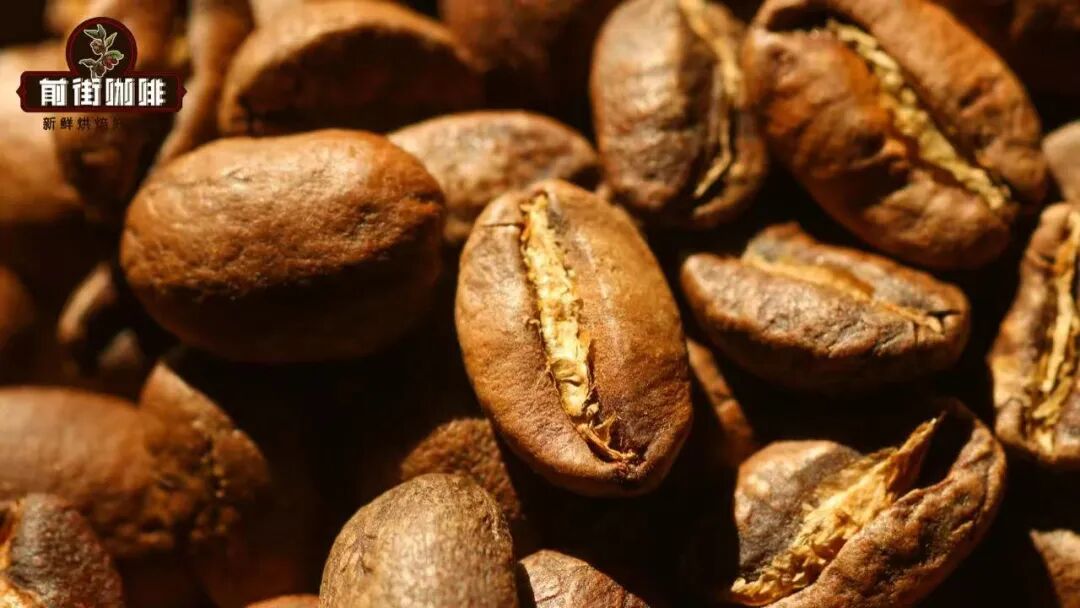
The story of Geisha began in 1931, when a British expedition discovered this variety in the Kaffa forest in southwestern Ethiopia. Interestingly, it was initially misidentified as “Geisha” (the English spelling of the Japanese word for geisha), rather than its original local name, “Gesha.” These seeds were later taken to Kenya, Uganda, and other places for research, and it wasn’t until 1953 that they arrived at CATIE Research Center in Costa Rica, where they were assigned the number T2722.
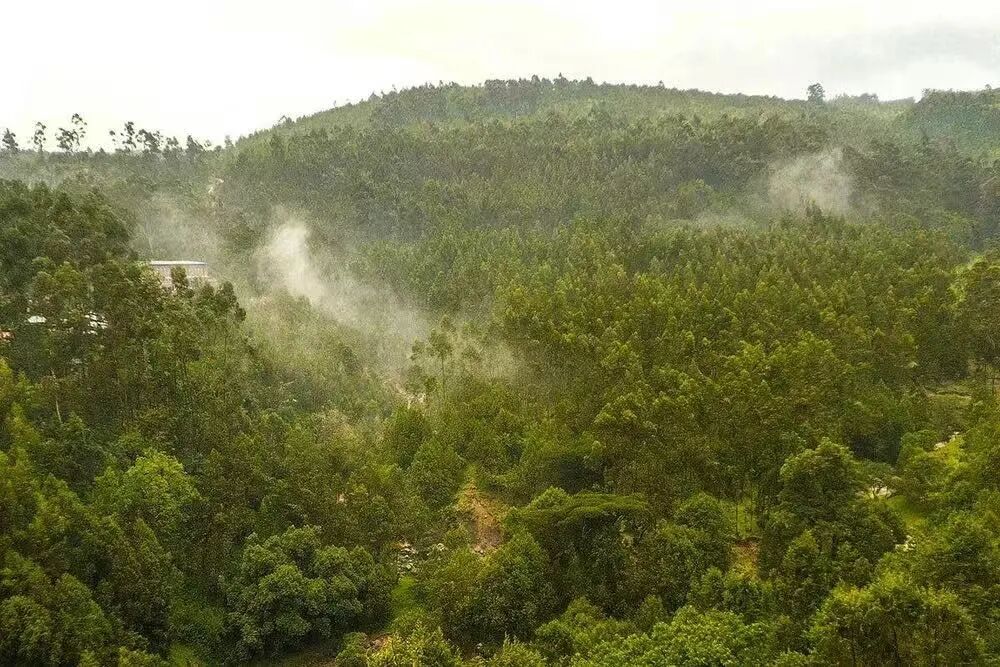
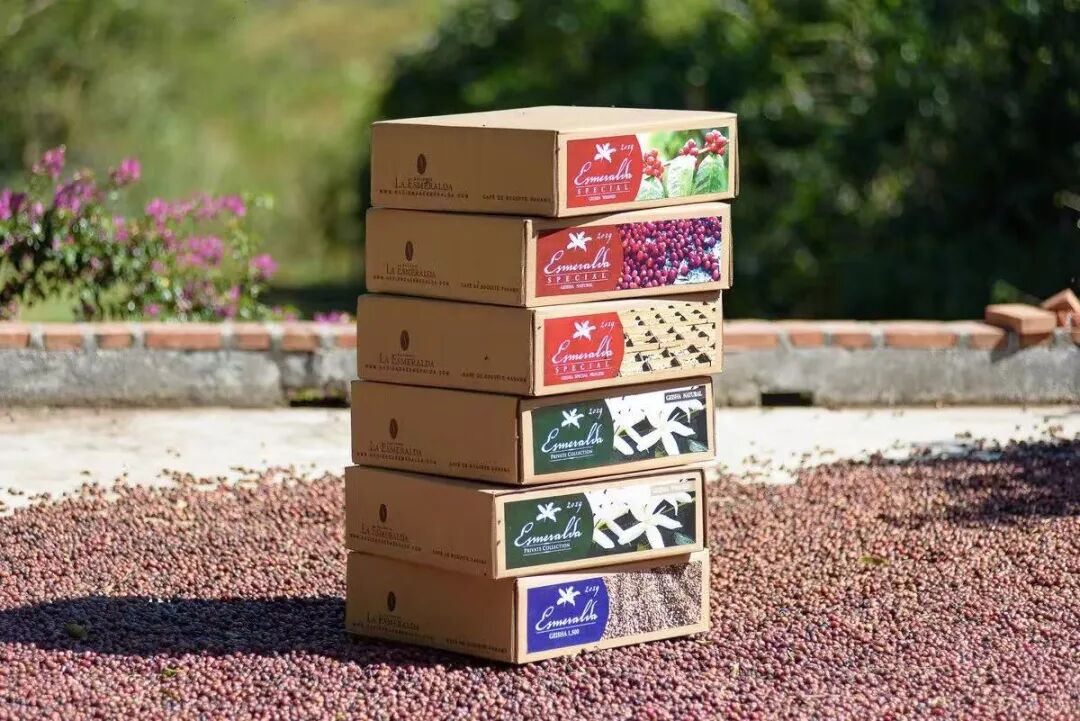
Although Geisha is naturally highly resistant to disease, its low yield — about half that of regular Arabica — meant it was overlooked during the post-war era, which prioritized quantity. The turning point came in the 1960s, when CATIE introduced these seeds to Panama, and Geisha finally found its champion: Daniel Peterson of Hacienda La Esmeralda. In 2004, this coffee stunned judges at the BOP competition with its unique white floral notes, citrus tones, and honey-like finish, ushering in the golden age of Geisha.
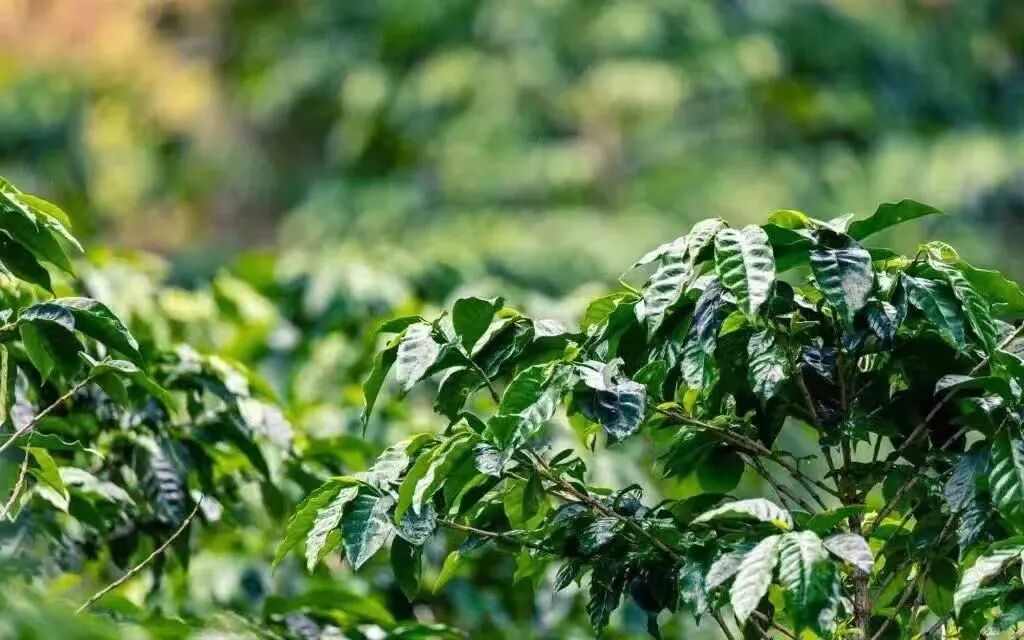
The key turning point was the leaf rust epidemic of the 1990s. While other varieties on the farm succumbed to the disease, Geisha demonstrated remarkable resistance. Peterson subsequently transplanted it to high-altitude areas in the Boquete region (typically between 1,400–1,800 meters above sea level), an environment that endowed Geisha with brighter acidity and more complex aromatic layers. In the 2004 BOP competition, Geisha won by a landslide and set the highest auction price for coffee beans at the time.
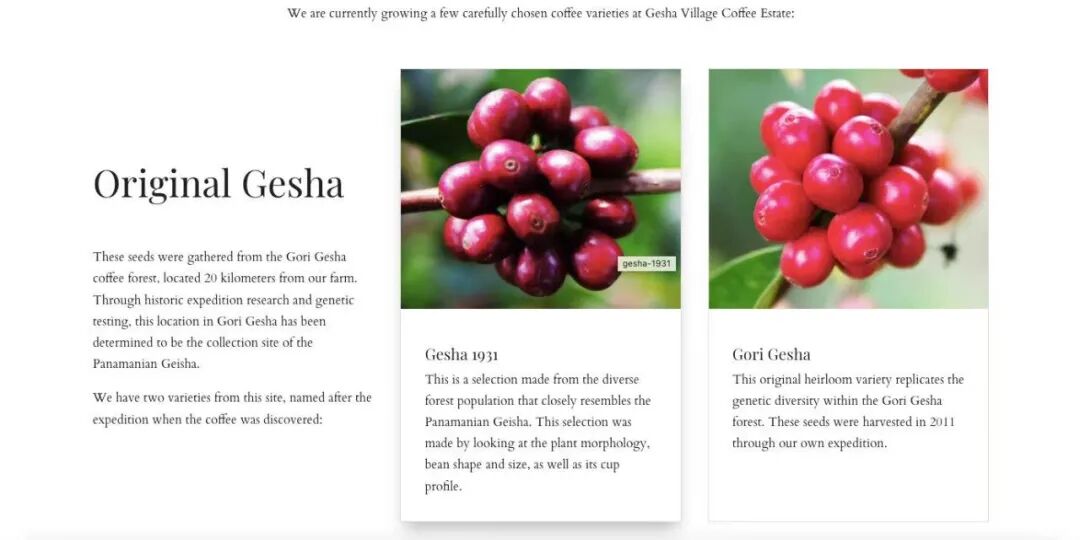
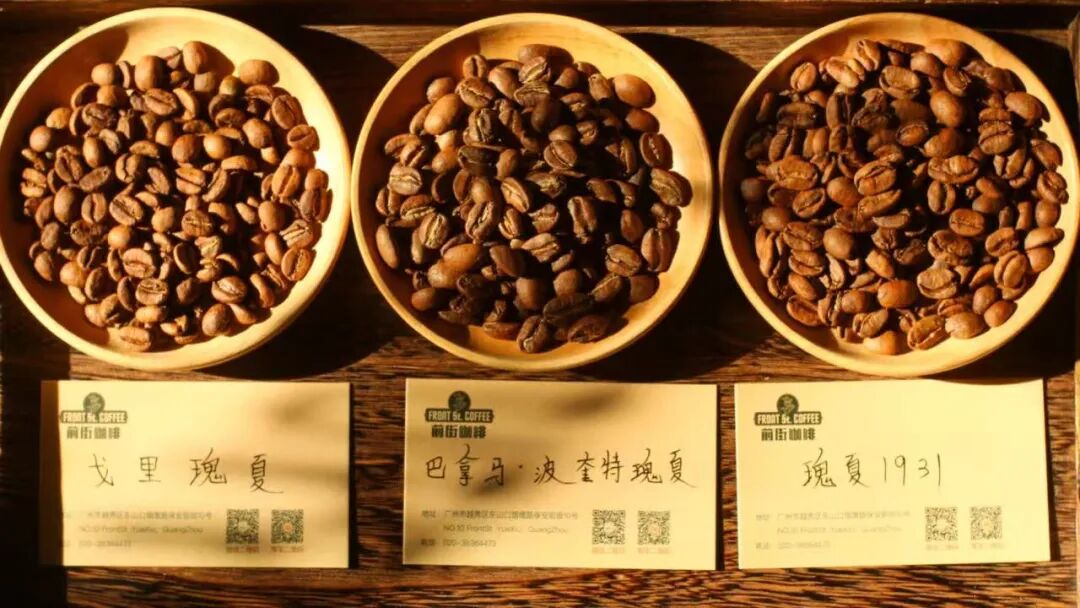
As Geisha’s fame spread, the original Ethiopian variety also regained attention. Adam Overton, founder of the Geisha Village Estate, found a closely related variety called “Gori Geisha” in the Benshanji region, but these variants differ significantly from Panama’s T2722. To distinguish them, the industry typically labels them specifically as “Panama Geisha (T2722),” and the World Coffee Research organization follows the same labeling method.
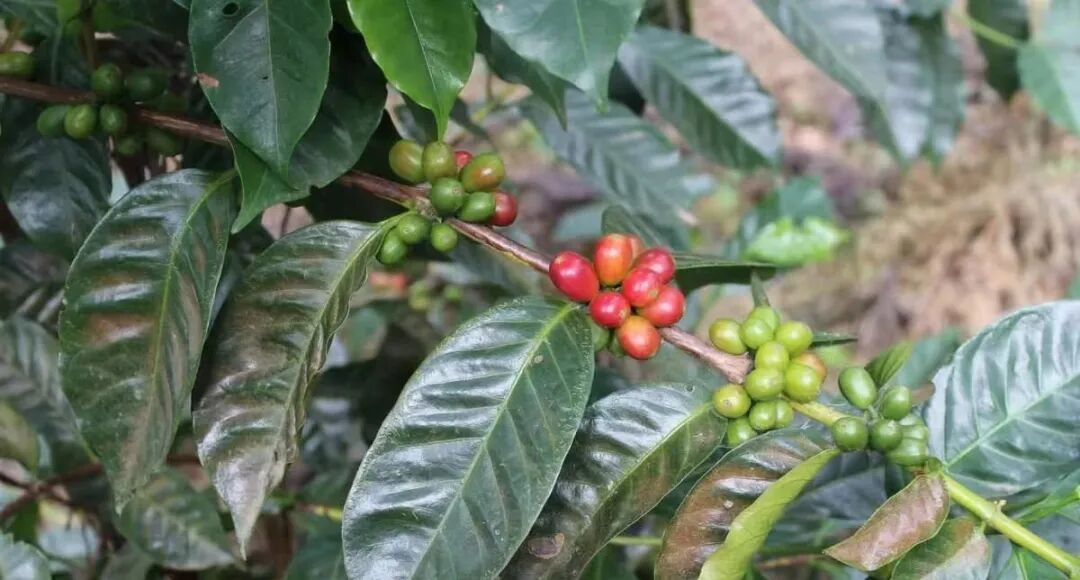
Today, Geisha is grown in several regions around the world, including Honduras, Costa Rica, and Colombia, but the flavor profiles vary greatly. The classic characteristics of Panama Geisha include: opening notes of jasmine and lemongrass, mid-palate flavors of peach and blueberry, and a lingering finish of caramel and honey. These traits are inseparable from the volcanic soil, large diurnal temperature variations, and unique microclimate of the Boquete region.

For consumers looking to experience the authentic “Geisha flavor,” it is recommended to prioritize the T2722 variety from the Boquete region of Panama. For brewing, a medium-light roast is suggested. When using a pour over method, try a water temperature of 92–94°C with a coffee-to-water ratio of 1:15–1:17. Note that Boquete Geisha beans in this selection often exhibit a distinct floral aroma burst, which is a key characteristic for identifying genuine product.
Common misconceptions in the market include equating all Ethiopian-grown Geisha with the Panamanian version or assuming that higher price automatically means better quality. In reality, even within the T2722 variety, differences in farm altitude and processing methods (such as honey or washed processing) can significantly impact the final flavor profile. Professional cuppers typically evaluate Geisha based on brightness of acidity, complexity of aroma, and longevity of aftertaste.
In summary, the unique status of Panama Geisha stems from a perfect combination of timing, terroir, and opportunity: disease-resistant genetics meeting an ideal growing environment, further propelled by the competitive platform of coffee competitions. If you want to explore the ultimate expression of Geisha, start with high-altitude batches from Panama labeled T2722 — it’s the best introduction to the legendary “white floral and citrus-toned” experience.
The above content is compiled by CoffeeHunters, a coffee news website.

