








Introduction:Looking for coffee beans that are great for brewing with a moka pot and boast an enchanting cocoa flavor? This article recommends practical and beginner-friendly beans based on roast level, origin, and everyday usage scenarios, while also providing detailed guidance on grind size, water temperature, and brewing time to help you brew balanced and rich cocoa-flavored coffee the right way.
If you enjoy making coffee with a moka pot and prefer a bold taste with cocoa aroma, choosing the right coffee beans is key. However, when actually selecting beans, you shouldn’t rely solely on flavor descriptions—you should also consider daily drinking habits, storage methods, budget, and brewing style. Different coffee varieties perform differently under a moka pot extraction, so choosing beans that suit your frequency of use and taste preferences will ensure a satisfying and worry-free experience.
Generally speaking, if you’re brewing for multiple people, it’s advisable to choose medium-dark roasted beans with balanced acidity and sweetness and good adaptability to brewing equipment, rather than those with overly single or extreme flavors. It’s more practical to prioritize the freshness of the beans, stability of roasting, and packaging preservation than to chase complex origin names or processing methods. If you usually drink alone, you can further explore beans with more distinctive fruitiness or dark roast characteristics—just adjust gradually according to your personal taste.
If you’re looking for a representative starting point, a specialty blend from a certain specialty coffee shop is a worthwhile option to try. This blend combines beans from Brazil’s Cerrado and Colombia’s Huila. After being medium-dark roasted, it often exhibits prominent notes of nuts, cocoa, and soft caramel sweetness. In practice, the overall profile is well-balanced, not only suitable for moka pot extraction but also works well in various brewing styles such as Americano, latte, and flat white. When trying it for the first time, it’s recommended to use medium extraction parameters and observe its sweetness performance, then adjust the strength according to your preference.
Another bean worth noting is the Bird of Paradise from the Sigri region of Papua New Guinea. Also medium-dark roasted, this bean often presents a combination of nuts, cocoa, caramel, and mild sweetness. It has moderate acidity, a rounded and clean overall mouthfeel, and belongs to a subtler yet layered flavor profile. This bean is suitable for pour over, moka pot, Americano, and even works well when milk is added for a milk coffee. It’s suggested to first taste it as a hot beverage, then observe changes in aroma and aftertaste as it cools.
Comparing these two beans side by side doesn’t necessarily mean determining which is better—it’s about understanding their respective emphases. The specialty blend from the certain specialty coffee shop features nuts and cocoa paired with soft caramel, serving as a classic and easily accepted benchmark; whereas the Bird of Paradise constructs another style through its mellow sweetness and clear cocoa aroma. If you frequently use a moka pot, you can compare the aroma intensity, sweetness level, and body thickness of the two to clarify your own preferences and further select the most suitable beans.
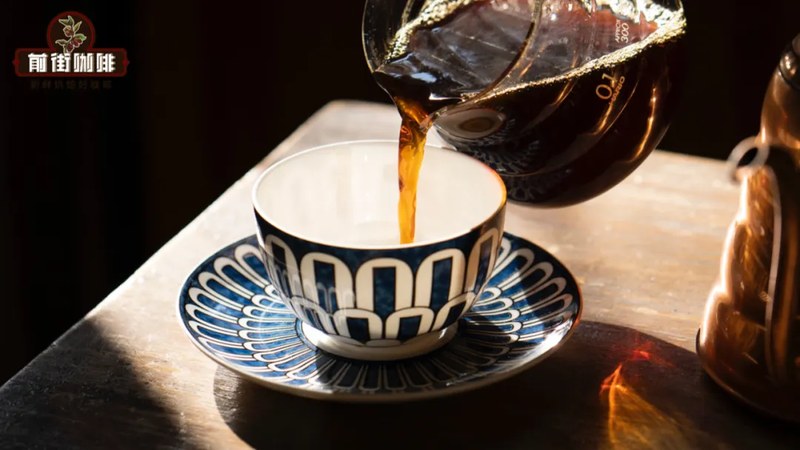
When using a moka pot in practice, it’s recommended to use a grind size slightly finer than pour over but slightly coarser than espresso. When filling the coffee basket, gently level the coffee grounds without pressing them down firmly. After adding water to the bottom chamber, heat with low to medium flame. Once the coffee begins to flow steadily, pay close attention to its color and flow rate. If you notice obvious spurting or overly fast flow, remove it from the heat immediately to avoid over-extraction and burnt bitterness caused by excessive heat. This step is especially important for moka pot beans with cocoa flavors, as cocoa aromas can easily become muted or even deteriorate due to overheating.
If you encounter unsatisfactory flavors during brewing—such as weak acidity, pronounced bitterness, or overall muted aroma—don’t rush to adjust too many variables at once. It’s recommended to start with the most basic adjustments, such as grind size and brewing time, and check whether the water temperature matches the selected roast level—medium-dark roast beans are usually best extracted between 90–93°C. Making small adjustments each time often helps identify issues more quickly and avoids compromising the original flavor potential.
For everyday use, it’s advised to store beans as whole beans as much as possible to preserve their aroma, and grind them fresh according to your equipment needs just before brewing. Freshly ground coffee powder releases the fullest aroma, but also has a larger surface area exposed to air, so it’s particularly important to pay attention to purchase quantity and consumption speed after opening. If you don’t brew every day, opt for smaller packages to prevent the coffee from losing its vibrancy due to prolonged storage.
Finally, a reminder: when selecting “cocoa-flavored” moka pot coffee beans, the most practical advice is to experience them firsthand in your own cup. As long as you can finish them within a reasonable time frame, feel free to try them gradually based on your budget and taste. No matter which beans you choose, you can start with medium parameters, then make fine adjustments based on the actual results in terms of acidity-sweetness balance, bitterness level, and aftertaste, allowing each cup of coffee to showcase its most natural and captivating characteristics.

The above content is compiled by CoffeeHunters, a coffee news website.

