







Introduction:Choosing the right coffee beans for a Moka pot isn’t just about flavor—it also affects extraction performance and the overall experience. This article focuses on coffee beans with mild acidity to help readers select the most suitable beans based on brewing methods, drinking habits, and budget. From roast level and packaging freshness to grind size and brew time, we offer comprehensive suggestions and practical references so you can brew rich yet nuanced Moka pot coffee at home.
From grinding to brewing, crafting a great cup of coffee is not just about the beans themselves but the result of every interconnected step. Especially when using a Moka pot—a high-temperature, pressurized brewing tool—selecting coffee beans with mild acidity that are well-suited for this method is especially important. If you often brew at home, the first thing to consider is: how quickly do you drink your coffee? Do you usually drink black coffee or prefer it with milk? Once you have these basics down, further selecting the appropriate coffee beans and roast levels will give your whole process more direction.
For Moka pot coffee beans with mild acidity, freshness matters more than name.
When looking for beans with mild acidity, it’s recommended to prioritize freshly roasted beans, stable roast quality, and suitable packaging—rather than being swayed by complex names or origin stories. If you prefer a brighter taste, start with light to light-medium roasted beans; if you enjoy a fuller, rounder flavor, medium to medium-dark roasts will be more suitable. It’s especially important to note that:Roast level does not directly equate to flavor intensity.Factors such as coffee-to-water ratio, grind size, and extraction efficiency also influence the final perceived strength.
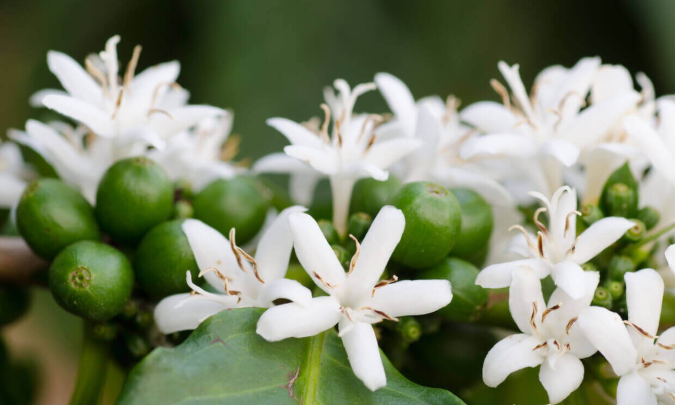
For example, coffee beans from the Sigri region of Papua New Guinea are often medium-dark roasted, showcasing traits like nuts, cocoa, caramel, and gentle sweetness. These beans typicallyhave subtle acidity but clear layers,with an overall clean and smooth mouthfeel, making them suitable for various brewing methods including the Moka pot, pour over, and milk-based coffee. In practice, you can start with medium parameters for a test brew, observe the sweetness, then adjust concentration and brew time as needed.
Another common and accessible option is a classic medium-dark roasted blend. These blends are typically based on traditional Mamba-style profiles, featuring distinct notes of nuts, cocoa, and caramel, along with a certain degree of roastiness. Their characteristics includea solid body and stable crema,which retain the coffee's structure and depth even when milk is added. They’re suitable for lattes, cappuccinos, Americanos, or direct Moka pot brewing. For everyday drinking, these blends are generally smoother and more approachable.
Comparing these two types of beans isn’t about judging which is better or worse, but understanding their respective emphases and suitable scenarios. The Papua New Guinea beans showcase gentle sweetness and balance, serving as a kind of reference point, while the classic blend focuses on nutty and roasted aromas, offering another flavor direction. Through actual tasting and comparison, you can better understand which flavor profile you prefer, and thus choose the Moka pot coffee beans that best suit your taste.
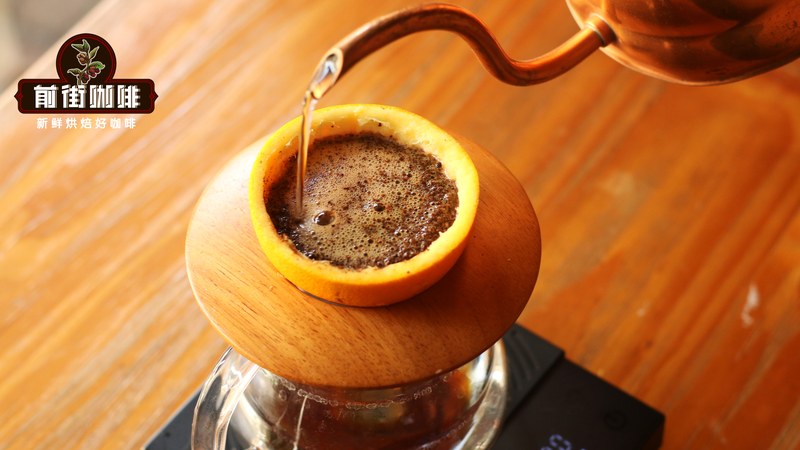
When actually using a Moka pot, it’s recommended to use a grind size slightly finer than for pour over but slightly coarser than for espresso. When filling the basket, simply level the grounds gently—there’s no need to tamp them down hard, as this can affect water flow and pressure distribution. When heating, add water to the bottom chamber and use low to medium heat. Once the coffee begins to flow steadily, pay special attention to its color and flow rate. If there’s noticeable spitting or the color turns overly dark and burnt, immediately remove the heat source to avoid over-extraction and bitter, burnt flavors.
For coffee beans with mild acidity, it’s especially important not to overlook actual taste in pursuit of standardized brew times. Each bean, each roast batch, and even ambient room temperature can affect extraction results. It’s advisable to make small adjustments based on how the cup actually tastes. If you notice the coffee tasting sour, thin, bitter, or muted in aroma, avoid changing too many variables at once. First check grind size and brew time, then observe whether the water temperature matches the roast level. Usually, small tweaks can help you find the optimal balance.
Additionally, as storage time increases, the flavor of coffee beans gradually changes. If the beans are noticeably degassing upon opening, let them sit for a while before brewing. Later on, if the aroma significantly fades, you might consider grinding them slightly finer to maintain proper extraction efficiency and flavor expression. For beans with mild acidity, these subtle adjustments can often extend their peak flavor period and make each brew more consistent and enjoyable.
In summary, choosing coffee beans with mild acidity that are suitable for the Moka pot places greater importance on stability than complexity. It’s recommended to buy an amount you can finish in a timely manner—not only to maintain aromatic freshness but also to better manage your budget. Start with one or two beans of distinct styles, such as those with dominant nut and cocoa notes, keeping water quality and equipment conditions consistent, then gradually adjust grind size and temperature to slowly find that perfect cup of Moka pot coffee that suits your taste.
The above content is compiled by CoffeeHunters, a coffee news website.

