







Introduction:Blends and single-origin beans (SOE) are two common types of coffee beans when making a purchase, but their flavor profiles and suitable usage scenarios differ greatly. This article will delve into the performance differences between the two in pour over, moka pot, and espresso machines, helping you understand how to choose the most suitable beans based on your drinking habits, budget, and brewing method, while also mastering stable brewing parameters and flavor identification techniques.
Blends and single-origin coffee beans (SOE) can exhibit vastly different flavor layers depending on the brewing method. When selecting coffee beans, in addition to considering the purchase quantity and shelf life, you should first clarify which brewing equipment you use most often: do you prefer the fresh and delicate taste of pour over, the bold intensity of the moka pot, or the espresso base commonly extracted with an espresso machine, which is then used to prepare Americanos or milk coffee? Understanding your own brewing habits is the first step in choosing the right beans.
The so-called flavor descriptions actually do not refer to fruits, nuts, or syrups being added to the coffee, but rather result from the combined influence of the bean variety, origin environment, processing method, and roast level. When choosing between blends and SOEs, rather than chasing flashy names, you should prioritize freshness, roast consistency, and packaging conditions—these are the key factors that affect everyday drinking experiences. It is recommended to first carefully smell the aroma, then take small sips, which helps capture the finer details of the coffee more accurately.
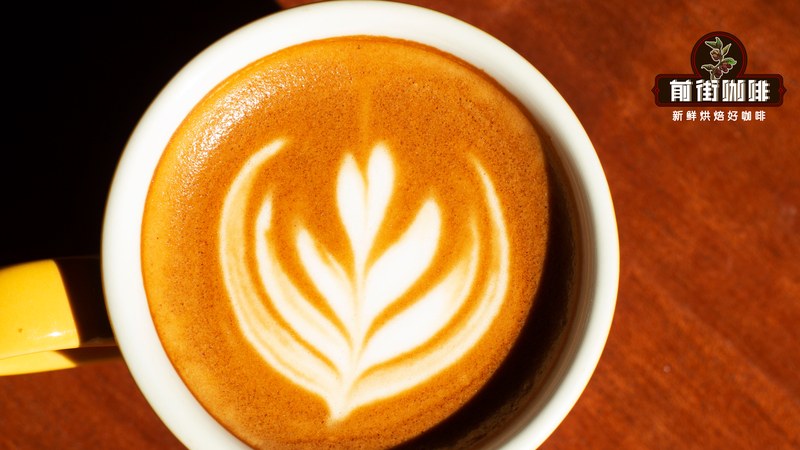
To understand the difference between blends and SOEs, it’s first necessary to recognize that SOE refers to espresso made using beans from a single origin or a single batch, designed to highlight the unique flavor characteristics of that origin. In contrast, blends combine beans from different origins or processing methods to achieve a balanced and stable flavor. If your focus is on everyday drinking, when choosing an SOE, you can first observe whether it can showcase clear origin characteristics in its espresso form, and further evaluate whether it still maintains good sweetness and aftertaste when made into an Americano or with milk added.
In practice, single-origin beans often exhibit more noticeable batch variations compared to typical blends, so mastering grind size and resting time becomes even more important. If you plan to use an SOE to make espresso, it’s recommended to start with a 1:2 coffee-to-water ratio, and record the flow rate, acidity-sweetness balance, and the coffee’s performance after cooling. If your consumption includes adding milk, it’s also advisable to observe whether the fruit acidity harmonizes smoothly with the milk. For beginner coffee enthusiasts, it’s recommended to start with small packages, confirm your drinking frequency and taste preferences, and then decide whether to restock or adjust your selection.
If you want to more intuitively understand the connection between flavor descriptions and actual cup performance, you can observe dark-roasted beans from regions like Sumatra, Indonesia. These beans typically feature herbal, dark chocolate, and spice notes as their main profile, and upon actual tasting, they tend to have low acidity, a rich and thick mouthfeel, and a long-lasting aftertaste. Such beans are suitable for various brewing methods, including pour over, moka pot, espresso, and milk coffee. It’s suggested to start by tasting them as hot drinks, then pay attention to how the aroma and aftertaste evolve as the coffee cools.

Another worthwhile example is medium-dark roasted beans from Brazil’s Minas Gerais region, which often carry flavors such as nuts, cocoa, and caramel, and exhibit a gentle sweetness. Their acidity is mild, and they feel smooth on the palate, especially when milk is added, where the sweet characteristics become even more pronounced. These beans are also suitable for a variety of brewing scenarios, whether it’s pour over, moka pot, Americano, or milk coffee, all of which can deliver consistent performance. It’s also recommended to start with hot drinks and then observe the flavor changes after cooling.
Comparing these two beans of different styles together is not about judging which is better or worse, but rather helping you understand how different flavor focuses are expressed. For example, the herbal and spicy notes of Sumatra beans can serve as a reference benchmark for flavor identification; while the nutty and cocoa theme of Brazilian beans offers another perspective of gentle sweetness. By actually comparing the differences between the two in terms of aroma, sweetness, and mouthfeel texture, you can more quickly clarify which type of coffee experience you prefer.
In daily brewing, there’s actually no need to frequently change beans or brewing recipes. Taking espresso as an example, beginners are advised to start with 18 grams of coffee grounds, aiming to extract about 36 grams of coffee liquid, and observe the flow rate and overall flavor performance within 25 to 32 seconds. If the acidity feels overly thin, you might consider adjusting the grind to a finer setting; if you notice significant bitterness or a dry aftertaste, it’s recommended to adjust the grind to a coarser one. When making milk coffee, besides pursuing stable extraction, you also need to ensure that the coffee itself retains sufficient concentration to avoid ending up with just a plain roasted taste after adding milk.
This basic set of extraction parameters is also applicable to both blends and SOEs, but in actual use, slight adjustments should be made based on your drinking habits and sensory feedback, without being overly fixated on specific times or values. The core logic of choosing coffee beans should return to the overall experience of a cup of coffee: whether the bean’s flavor meets expectations, whether the equipment used can fully express its characteristics, and whether parameter adjustments can lead to consistent results. As long as you can finish drinking within a reasonable time frame, it not only helps maintain the coffee’s aroma state but also allows for more effective control of budget and consumption pace. Through practical comparison and continuous experimentation, you will gradually discover the coffee flavor direction that suits you best.
The above content is compiled by CoffeeHunters, a coffee news website.

