







Introduction:Have you heard of Colombia’s “Big Belly Button” coffee? This uniquely shaped coffee variety is not only famous for its exaggerated fruit size but also features a distinctive navel-like structure. This article will delve into the origins of the Big Belly Button, its relation to other varieties, as well as its cultivation and processing characteristics in Colombia’s Huila region. It also includes insights on its actual flavor profile and professional pour over recommendations, giving you a comprehensive understanding of this competition favorite’s unique charm.
“Why is this coffee called Big Belly Button?” Many people can’t help but ask when they see this name on a coffee menu. Indeed, no matter where you see it on a café menu, the name “Big Belly Button” stands out remarkably and easily becomes the focus of customers’ attention.
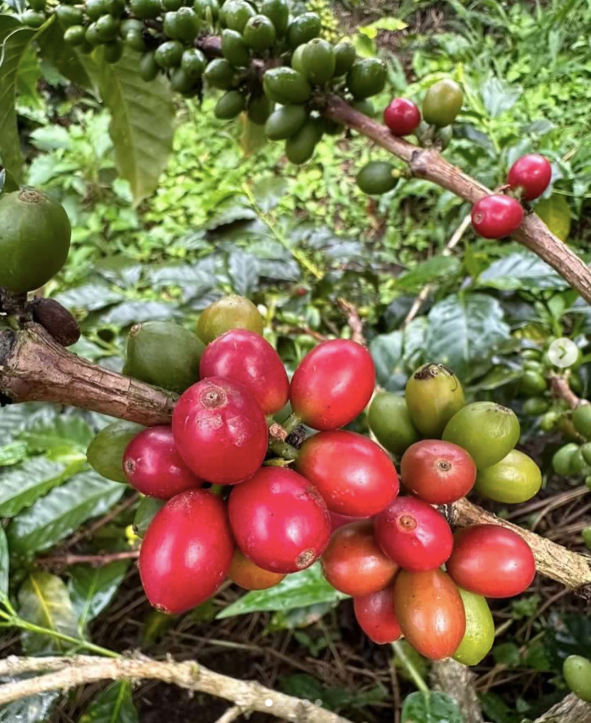
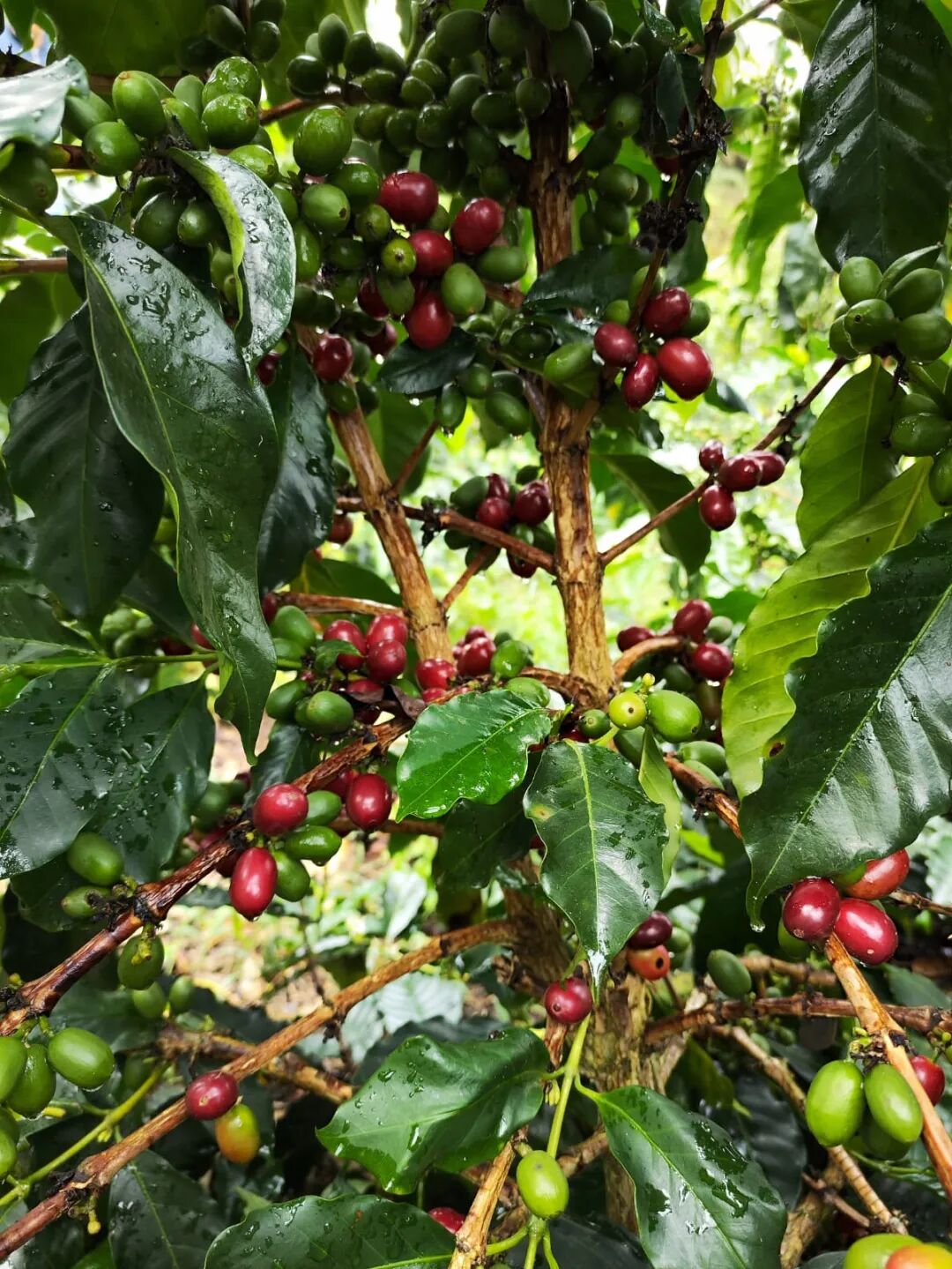
As for why it’s called that, it actually has to do directly with its appearance. Particularly its fruit, which has one obvious characteristic—a distinct navel-like structure at the bottom of the fruit. This structure is not only uniquely shaped but also quite prominent. Because of this, coffee farmers refer to it in Spanish as “Ombligon,” which means “belly button.”
However, what makes the “Big Belly Button” stand out isn’t just the belly-button-like structure resembling an orange; its fruits and beans are also much larger than those of typical Arabica varieties. In fact, its size is close to that of the famous Maragogype and Pacamara beans, placing it in the large-bean category. This also means that during processing, farmers need to specially adjust their depulping and hulling equipment; otherwise, the overly large beans may cause machine damage or uneven processing.
Currently, the Big Belly Button variety is mainly grown in Colombia’s Huila region. Early on, many local farmers weren’t actually sure about the origin of this coffee variety, only knowing that it might be a natural mutation from Ethiopia. Later, genetic analysis by international coffee research institutions confirmed that this variety contains about 60% Ethiopian landrace genetics and 40% local Colombian genetics, making it a naturally hybridized mutant variety.
Interestingly, because it’s a natural mutation, the Big Belly Button bears some visual resemblance to the commonly seen Caturra variety in the region—such as its broad leaves, dense fruit cluster arrangement, upright-growing branches—and it also performs quite well in terms of yield. For these reasons, it has gradually gained favor among local farmers.
Although some experts speculate that the Big Belly Button might be a mutation derived from other varieties such as Pacamara, Bourbon, or even Castillo, what is certain is that it exhibits high resistance to coffee leaf rust. This makes it relatively easy to manage in cultivation without the need for frequent pesticide spraying to control diseases. Coupled with its high-yield characteristics, more and more farmers in the Huila region have begun planting it.
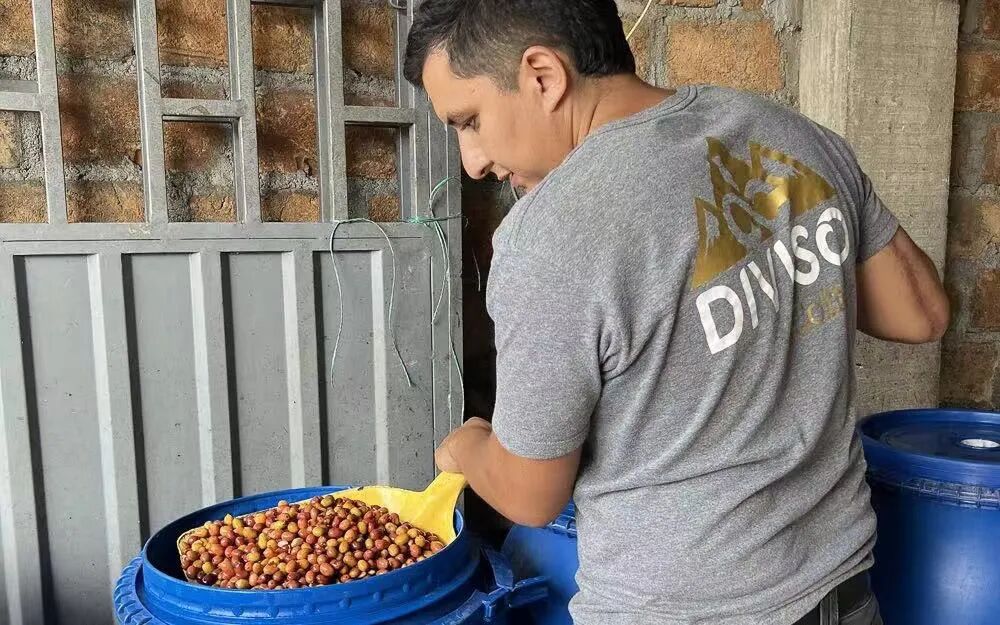
As for its optimal flavor expression, multiple experiments and cuppings have found that Big Belly Button grown at altitudes between 1600 and 1800 meters can display the richest layers and balance. Among them, the Big Belly Button produced at Finca El Diviso in Huila has repeatedly appeared in international coffee competitions.
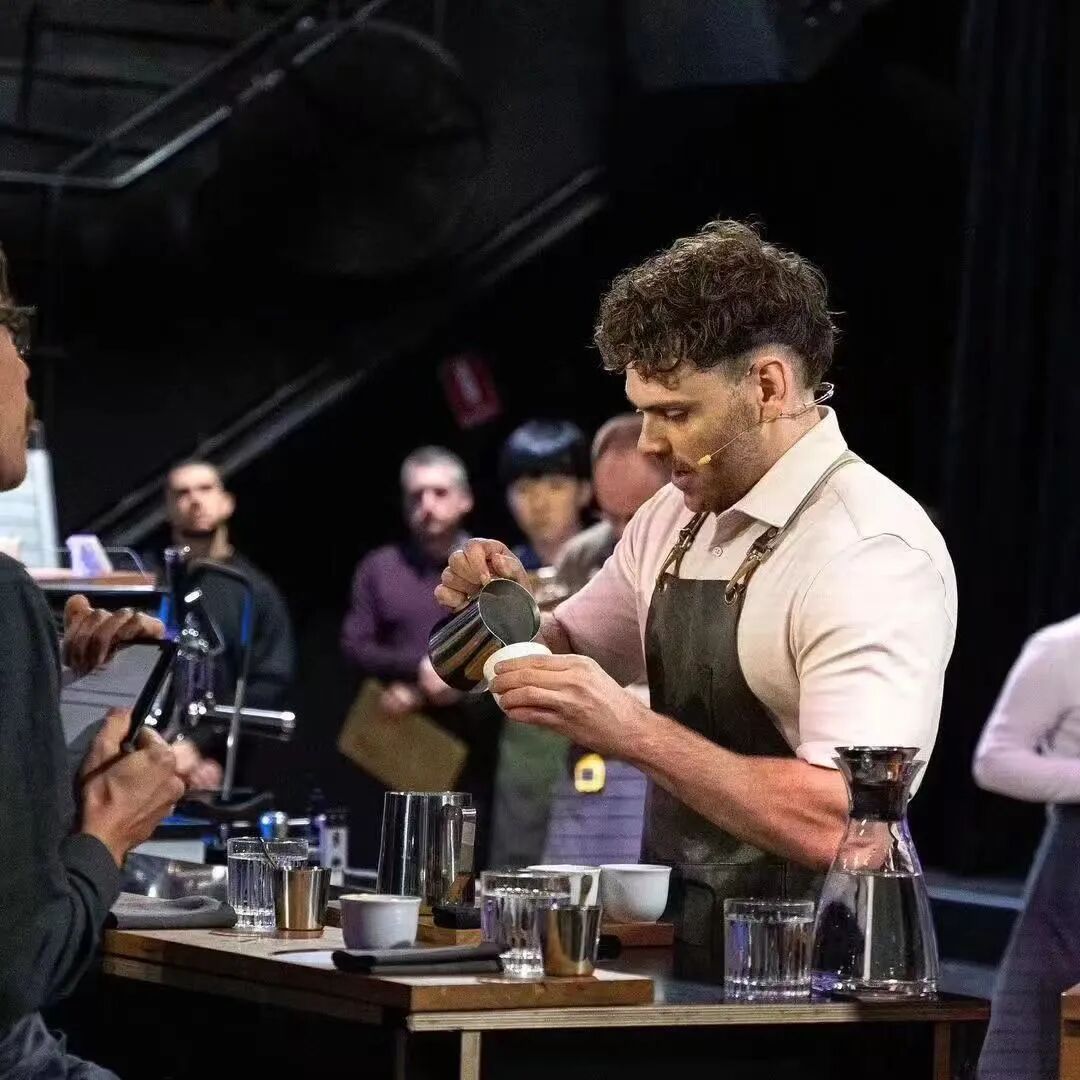
The Big Belly Button first made a splash on the international stage at the 2023 World Barista Championship (WBC) finals. An Australian competitor, Jack Simpson, used Big Belly Button beans from Finca El Diviso as his competition coffee, ultimately taking third place. In a post-competition interview, he stated that he chose this bean because its flavor was highly complex and distinctive, perfectly meeting his expectations for a competition coffee.
Moreover, in other international competitions around the time of the WBC, many competitors also chose to use Big Belly Button, gradually drawing global specialty coffee attention and discussion to this variety.
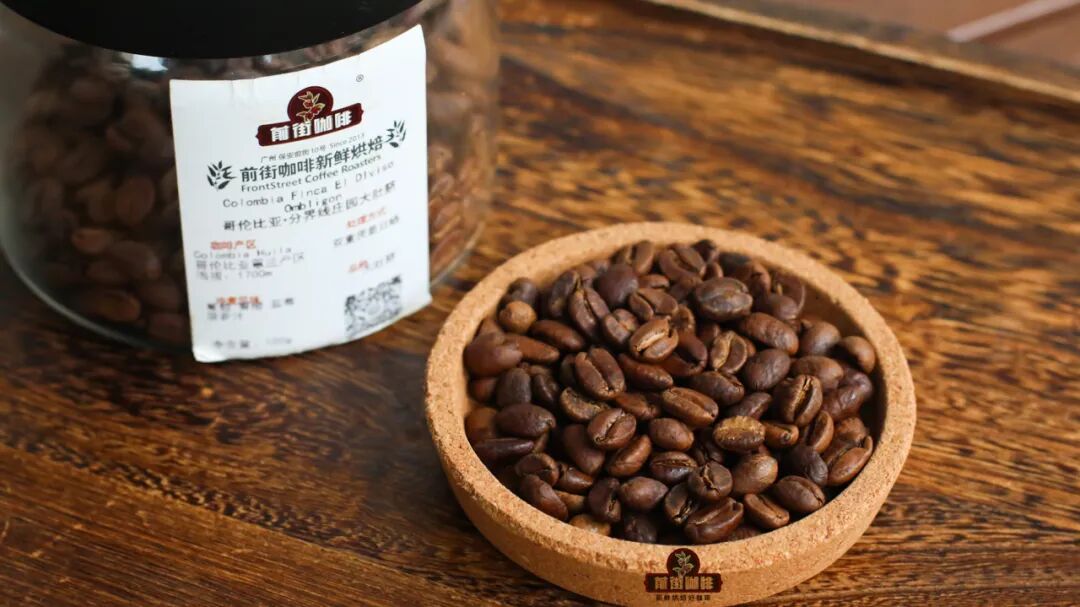
A certain coffee brand also included Big Belly Button from Finca El Diviso in its coffee lineup early last year, which became the reason many customers started asking, “What is Big Belly Button?” This coffee was processed using a double anaerobic natural sun-dried method. Although it appears dark in color after roasting—seemingly dark roast—it is actually a medium-light roast; the dark color is mainly due to sugar concentration during the anaerobic process, leading to more pronounced caramelization reactions.
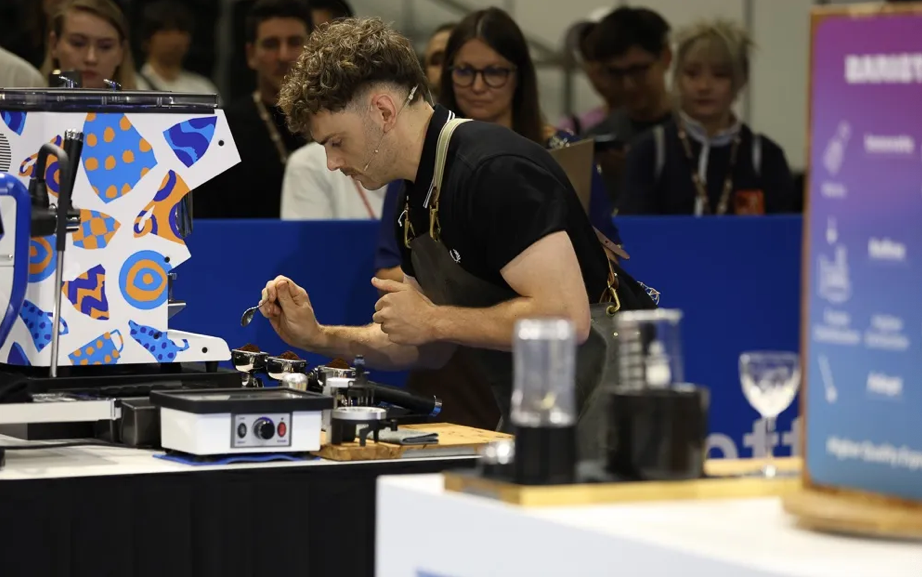
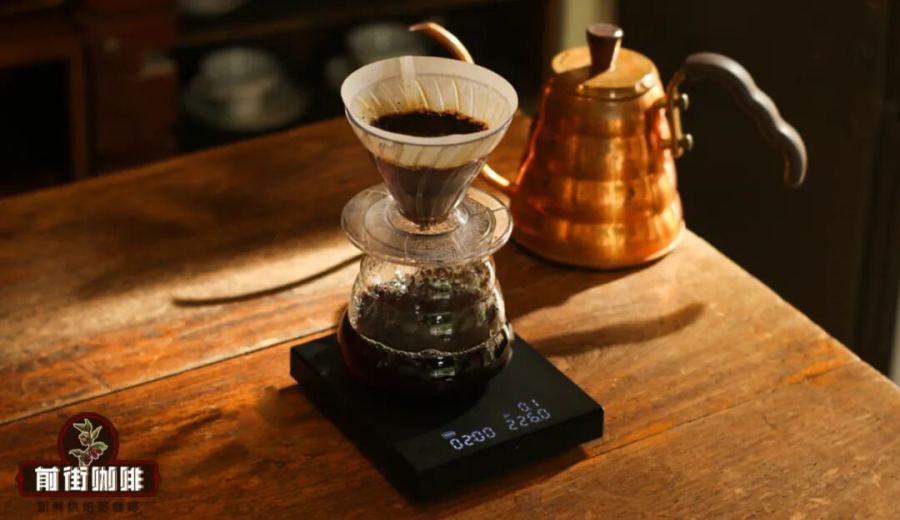
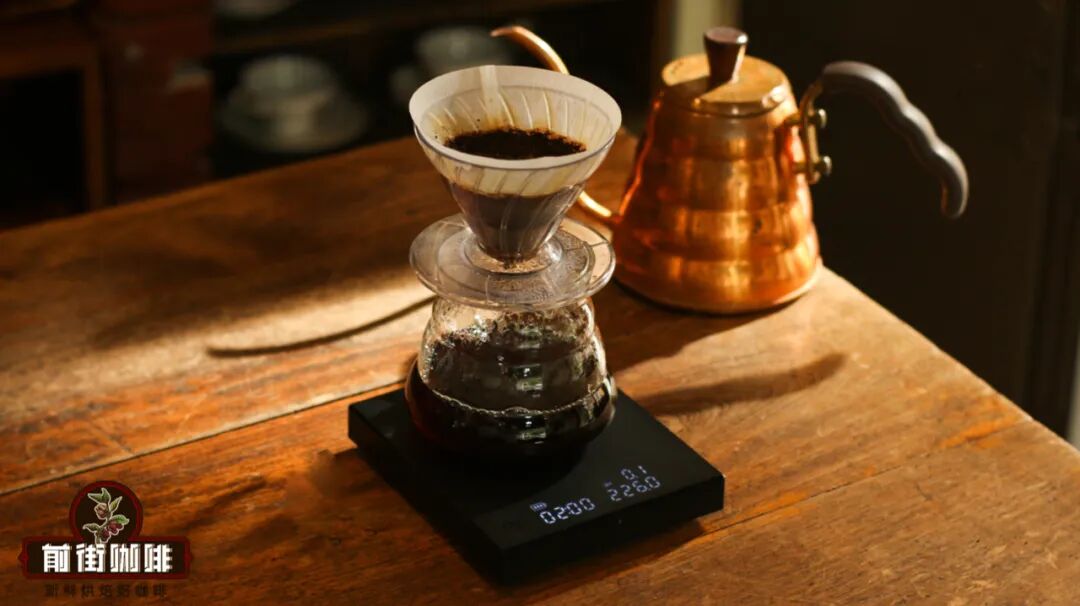
For brewing recommendations, it is suggested to use parameters standard for light roast beans to fully showcase its delicate fruity aroma and fermented layers. A V60 filter is recommended, with water temperature controlled at 90–93°C, a coffee-to-water ratio of 1:15, and grind size roughly the coarseness of fine sugar (about 75% passing through a #20 sieve), with a total brew time of around 2 minutes.
This coffee shows distinct blackcurrant flavors at high temperatures, accompanied by the bright acidity and sweetness of oranges and pineapples, creating an overall impression much like a richly fruity mixed juice. As the temperature slightly drops, layers of chocolate, spices, and a hint of fermented wine aroma emerge. The flavor structure is complete and dynamic, making it highly suitable for coffee lovers who enjoy fruity profiles and unique processing methods.
The above content is compiled by CoffeeHunters, a coffee news website.

