







Introduction:Choosing the right coffee beans for making a latte not only enhances the overall flavor profile but also makes your daily brewing more convenient. This article takes a practical approach to analyzing which coffee beans are suitable for milk-based drinks, how to choose based on equipment and budget, and provides specific bean recommendations and extraction tips to help readers find their ideal flavor balance.
From coffee beans to a smooth latte, the process involves grinding, extraction, and milk integration—each step affects the final taste. For regular milk coffee drinkers, when selecting beans suitable for lattes, it's important to consider not only your budget but also your drinking frequency, the primary brewing method used at home, and your preferred flavor direction. It’s recommended to first clarify the equipment you commonly use, such as a moka pot, espresso machine, or pour over, and then compare the characteristics of different beans based on the flavor profiles you enjoy. This will give you clearer direction when purchasing and brewing.
It's worth noting that water quality has a significant impact on coffee performance, especially for milk-forward drinks like lattes. Rather than pursuing complex origin names or special processing methods, it’s better to prioritize bean freshness, stable roasting, and appropriate packaging. During daily brewing, it’s advisable to start with clean-tasting, moderately mineral-rich tap or filtered water, and keep the water source consistent. Then gradually adjust grind size and water temperature, as this makes it easier to identify differences without interference from other variables.
To translate abstract flavor descriptions into actual taste experiences, you can observe a representative bean, such as a classic medium-to-dark roasted bean from Brazil’s Minas Gerais region. These beans typically exhibit distinct notes of nuts, cocoa, and caramel, along with a gentle sweetness. In practice, they have relatively mild acidity, a smooth mouthfeel, and when milk is added, their sweet and aromatic characteristics become even more pronounced. Such beans are suitable for various brewing methods, including pour over, moka pot, and espresso. It’s recommended to start with hot drinks, and then pay attention to the aroma layers and aftertaste as the drink cools.
Another example worth referencing is a dark roasted bean from Sumatra, Indonesia. Its terroir gives the coffee unique herbal, dark chocolate, and spice notes. These beans usually have low acidity, a rich and full-bodied texture, and a long-lasting aftertaste, making them a typical representation of dark roast flavors. These beans are suitable for a variety of equipment, whether it’s pour over, moka pot, or an espresso machine—all can showcase their distinctive features. It’s also recommended to start by tasting them as a hot drink, then observe the aroma changes as the coffee cools, which helps gain a fuller understanding of the bean’s potential.
If you’re looking for an entry point within the same style, a classic medium-to-dark roasted blend is a good choice. These blends often incorporate traditional Mocha-Java style, offering notes of nuts, cocoa, caramel, and a hint of roasted aroma. In practice, they deliver a solid concentration with stable crema, and even when milk is added, they still retain a certain essence of coffee. They are widely applicable, including for espresso, latte, cappuccino, Americano, and moka pot. It’s suggested to first fix a set of habitual brewing parameters, and then make gradual fine adjustments to suit your personal taste.
Comparing two beans with different flavor profiles is not about judging superiority, but rather about understanding each one’s flavor focus. For instance, a medium-to-dark roasted Brazilian bean excels in nutty, cocoa, and soft sweetness, while a Sumatran dark roasted bean showcases layers of herbal, spicy, and dark chocolate notes. For coffee beans suitable for lattes, by actually tasting the aroma, sweetness, and texture of both, you can better understand which flavor direction you prefer, thereby narrowing down your choices.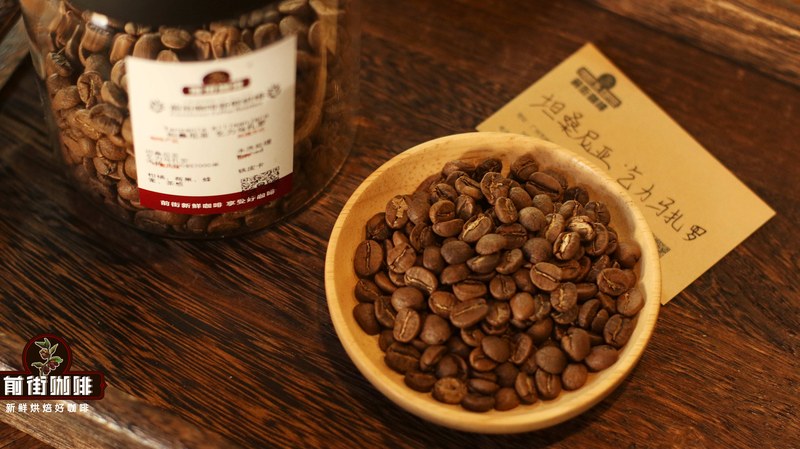
In daily brewing, there’s no need to frequently change recipes or bean varieties. Taking espresso extraction as an example, you can start with a base of 18 grams of coffee grounds, aiming to extract about 36 grams of coffee liquid, and observe the flow rate and overall flavor within 25 to 32 seconds. If the acidity feels too thin, try adjusting the grind finer; if you sense bitterness or dryness toward the end, it’s recommended to adjust the grind coarser. When making milk coffee, it’s especially important to maintain sufficient coffee concentration to avoid ending up with just a single note of roastiness after adding milk. These basic principles also apply to beans suitable for lattes, but adjustments should be made according to actual drinking conditions, rather than rigidly adhering to fixed values.
When trying beans suitable for lattes for the first time, it’s recommended not to rush to conclusions. Focus first on distinguishing the aroma, sweetness, mouthfeel texture, and aftertaste, and then adjust the next cup’s grind size, water temperature, or extraction time based on these observations. Through continuous experimentation and comparison, your flavor preferences will gradually become clearer, allowing you to more accurately select beans that meet your needs.
In summary, choosing the right coffee beans for making lattes hinges on finding beans whose flavor profile meets your expectations, whose performance is stable with your equipment, and whose parameters allow for traceable adjustments. Purchase in quantities that you can finish in a timely manner—not only does this help maintain the beans’ optimal flavor state, but it also allows for more effective budget control. By comparing and tasting in practice—such as referring to the aforementioned medium-to-dark and dark roast representative beans—you can gradually find the direction that suits you best and enjoy the details and layers of every cup of milk coffee.
The above content is compiled by CoffeeHunters, a coffee news website.

