







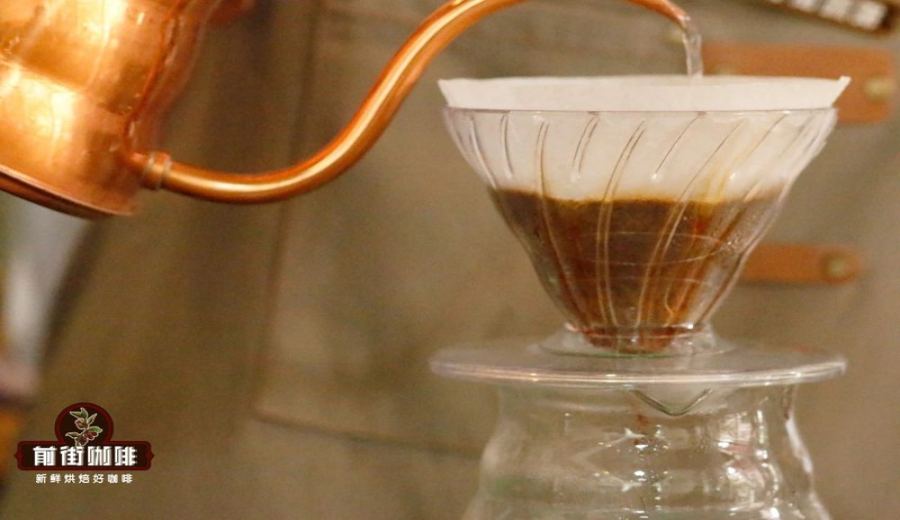
Introduction:Choosing coffee beans suitable for use with coffee machines isn't just about reading flavor descriptions — it's also essential to consider your daily drinking habits, budget, and how you store the beans. This article will guide you in selecting beans that balance freshness and flavor performance based on brewing methods, frequency of use, and personal taste preferences. We’ll also provide practical brewing parameters and storage tips to help you enjoy consistently rich and satisfying pour over or espresso experiences.
When selecting coffee beans for use with a coffee machine, you shouldn’t rely solely on flavor descriptors such as floral, fruity acidity, nutty, or cocoa. These terms aren’t ranked by superiority — they simply represent different flavor profiles. The key is to find the one that best matches your everyday taste preferences so you can continue enjoying coffee in the long term.
When buying beans for coffee machines, it’s advisable not to stock up in large quantities all at once. Based on your actual consumption, prioritize the freshness of the beans, the stability of the roast, and the packaging method — these factors matter more than blindly pursuing special origins or complex names. It’s recommended to start with small packages, record the flavor changes of hot and cooled brews, and confirm what suits your taste before restocking according to your drinking frequency. This approach is more practical and reliable than making purchasing decisions based solely on names.
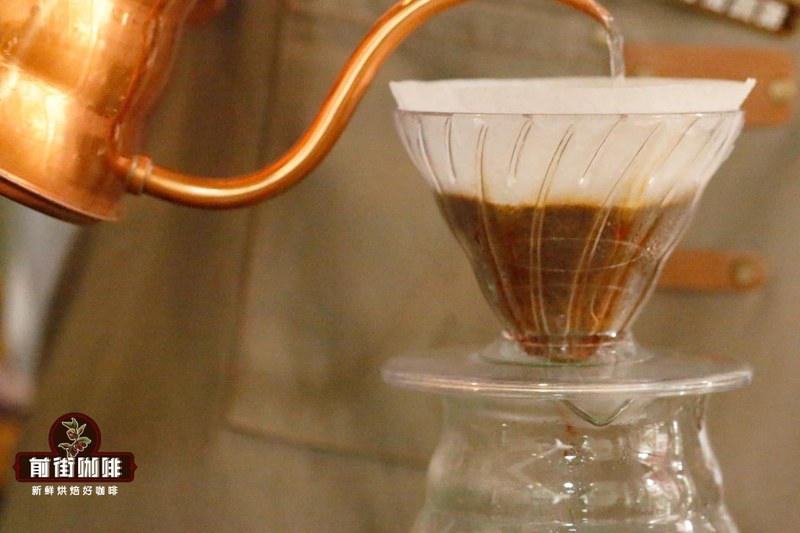
For example, “Dark Cocoa Blend” is a great choice for understanding the flavor characteristics of dark roasted coffee beans. This blend, made from Arabica beans and dark roasted, often features distinct dark cocoa, nutty notes, and a rich sweetness. In cupping evaluations, it shows low acidity, a thick mouthfeel, and a luxurious crema layer. Whether used for espresso, latte, flat white, or even moka pot extraction, it’s advised not to set the initial parameters too high, allowing the inherent characteristics of the beans to shine.
Additionally, “Premium Blend” is another good option for establishing a flavor baseline. This blend is primarily medium-dark roasted, based on a mix of Brazilian Cerrado and Colombian Huila, offering a balanced profile of nuts, cocoa, and soft caramel. In practice, it tastes well-balanced upon entry, with high extraction flexibility — performing consistently whether served hot or cold. It’s suitable for everyday Americano, latte, and flat white, and is also compatible with home semi-automatic or fully automatic espresso machines, allowing its unique qualities to be fully expressed.
Comparing these two blends isn’t about determining which is better or worse, but rather helping you understand the flavor directions associated with different roast depths. The Dark Cocoa Blend excels in intense dark cocoa, nuttiness, and a full-bodied sweetness, while the Premium Blend showcases a smoother nut and caramel tone. Try tasting both side by side and perceive the differences through aroma, sweetness, and mouthfeel texture to further clarify which type of coffee expression you prefer.
During regular use of a coffee machine, there’s no need to frequently change bean varieties. It’s recommended to base your routine on a consistent coffee-to-water ratio — for instance, using 18 grams of coffee grounds to aim for about 36 grams of extracted coffee liquid, and observing the flow rate and flavor performance between 25 to 32 seconds. If you detect sharp acidity or a thin mouthfeel, you can slightly adjust the grind to a finer setting; if you notice pronounced bitterness, astringency, or a dry aftertaste, try grinding slightly coarser. Also, when making milk-based coffee, ensure the coffee itself has sufficient strength to avoid ending up with a weak roasted flavor after adding milk.
This basic adjustment logic also applies to coffee machine extraction, but should be fine-tuned based on your actual drinking situation without being overly fixated on specific timing numbers. When you find that your brewed coffee lacks acidity, has overpowering bitterness, or muted aromas, avoid adjusting all variables at once. Prioritize checking the grind size and extraction time first, then observe whether the water temperature aligns with the needs of the roast level. Usually, small and gradual adjustments can more accurately pinpoint the issue.
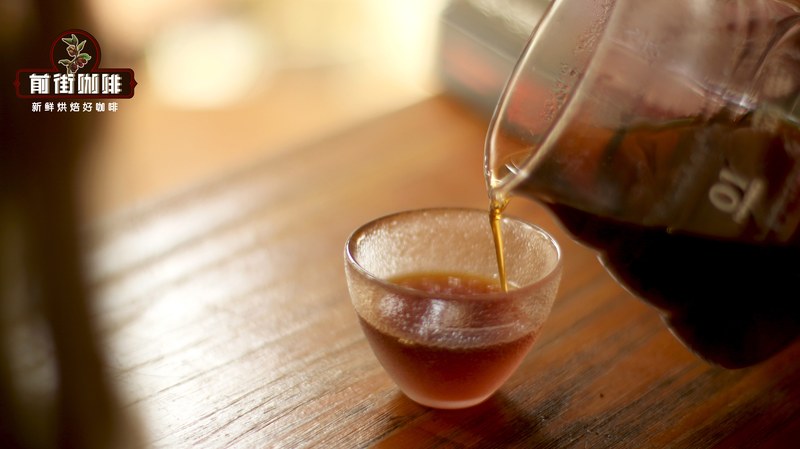
Maintaining the flavor of coffee beans hinges on how you store them. Freshly grinding beans releases the maximum aroma, so if you purchase whole beans, it’s recommended to store them in an airtight container and adjust the grind size according to your equipment needs right before brewing. In contrast, pre-ground coffee powder, due to its significantly increased exposure to air, loses flavor much faster. As such, it’s even more important to strictly control the amount purchased and the consumption period after opening — it’s best to finish it as soon as possible to maintain optimal quality.
In summary, choosing coffee beans suitable for use with coffee machines should come back to your daily drinking habits and real needs. Purchase only what you can finish in a timely manner — this not only helps preserve the aromatic profile of the beans, but also allows for more effective budget control. You might start with two beans that offer distinct flavor profiles: the Dark Cocoa Blend and the Premium Blend. Choose the one that best fits your current equipment, get familiar with its characteristics, and then try the other. Gradually, you’ll establish your own direction in coffee taste preferences.
The above content is compiled by CoffeeHunters, a coffee news website.

