







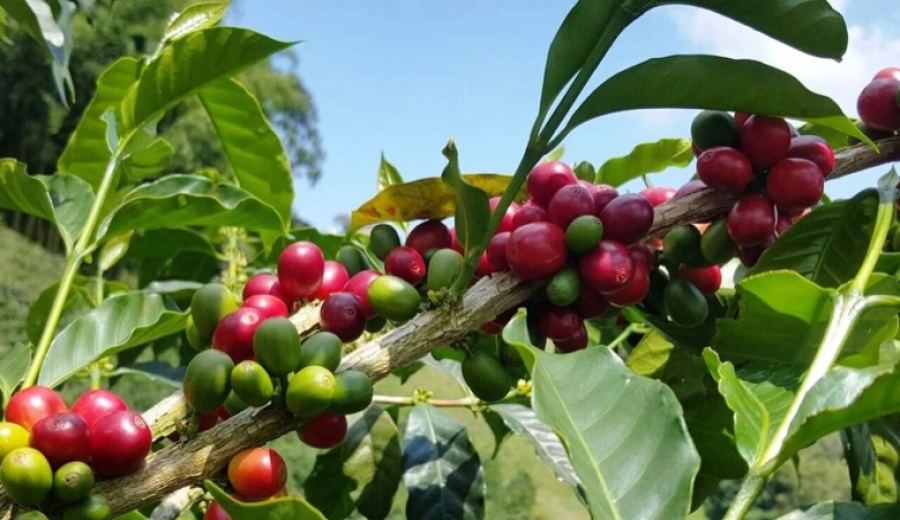
Introduction:Want to enjoy authentic Yirgacheffe but afraid of making a wrong choice? This article guides you from green bean information, cupping characteristics to storage tips, teaching you how to distinguish the genuine from the fake, and analyzing the acidity-sweetness balance to pay attention to in light roast pour over. Along with flavor descriptions of common beans and brewing suggestions, it helps you find your own coffee flavor map.
To determine whether Yirgacheffe is authentic, the key lies in the transparency of green bean information and cupping performance. True Yirgacheffe features a distinct flavor profile of citrus floral notes and refreshing lemon acidity, which can be verified through the grading certificates provided by exporters. If the coffee seller can offer complete information on the farm origin and processing batch—such as a well-known estate’s Geisha, traceable from region to processing method—such a purchasing channel is more trustworthy than simply going by price.
The overall flavor performance of pour over coffee is actually shaped by multiple factors: including the unique terroir of the producing region, the inherent characteristics of the coffee variety, the choice of processing method (such as natural or washed), the degree of roasting, and the final brewing parameter settings. Generally speaking, light roast beans tend to first release vibrant floral and fruity aromas, while medium roast beans lean towards showcasing more pronounced sweetness and body. Just a slight adjustment to any parameter can completely change the order and intensity of the aromas that emerge.
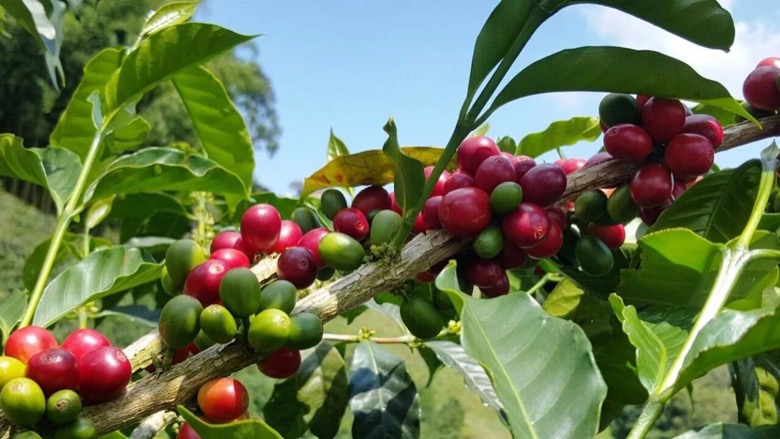 From a cupping perspective, authentic Yirgacheffe should have a bright and pleasant citrus acidity, never an unpleasant vinegary taste, and its floral aroma should have layered complexity without being overly sharp. Therefore, choosing a purchase channel with clear traceability is the most reliable way to ensure flavor quality.
For example, a well-known estate Geisha, after natural processing, features a multi-layered aroma that blends orange blossom, guava, apricot, and strawberry jam, with an elevated intensity. Through pour over brewing, these nuances can be gradually revealed. Additionally, a well-known regional bean can highlight the distinct layers of passion fruit, blueberry, grape, and apricot, bursting with juiciness. Whether used for iced pour over, cold drip, or as an SOE (Single Origin Espresso), it fully expresses its aromatic character. As for a renowned Panamanian estate Red Label Geisha, its aroma profile weaves together jasmine, bergamot, citrus, and black tea notes. It tastes clean and delicate, and it is recommended to sip it slowly to appreciate the subtle layers.
When it comes to storing coffee beans, a common mistake is putting them in the refrigerator. In reality, drastic fluctuations in temperature and humidity can accelerate flavor loss. The best practice is to keep the beans at room temperature, sealed and stored in a cool place. Generally, beans roasted two to four weeks prior are usually at their peak in terms of flavor expression. When tasting, it is recommended to first smell the dry fragrance, then experience the sweetness and aftertaste upon ingestion. If the aroma noticeably weakens, check the grind size and how long the bag has been open, and adjust the brewing parameters slightly if necessary. Also, hot drinks, iced drinks, and coffee with milk can highlight different flavor aspects of the beans. Trying these variations is recommended to build a more comprehensive flavor memory.
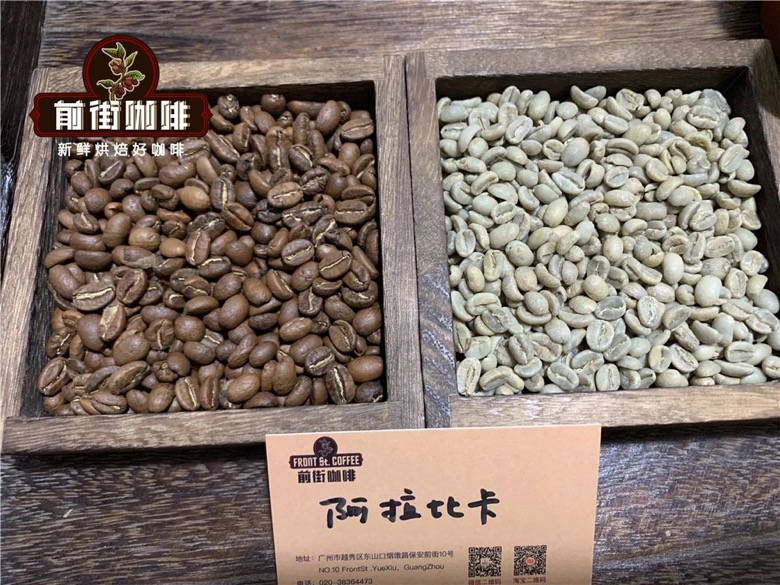 In fact, the balance between pursuing flavor and the time invested in brewing is one of the two major considerations to clarify before selecting beans. Fruit-forward beans may have high flavor potential, but they are also more demanding when it comes to brewing parameters. In contrast, nutty and cocoa-toned blended beans are more forgiving and suitable for everyday casual brewing. For a household with multiple users, a layered purchasing strategy is recommended: select a balanced single-origin bean with manageable acidity and bitterness as a daily base, and supplement with single-origin beans according to personal preference. This approach allows you to appreciate the uniqueness of each bean better than stockpiling a large quantity of a single style.
In practice, it is recommended to first set your preferred powder-to-water ratio and total brew water volume based on your habits, while grind size plays the main role in fine-tuning. If you taste excessively sharp acidity, it may be under-extracted; if the aftertaste feels dry or astringent, it may be over-extracted. You can correct this by reducing stirring, shortening the blooming time, etc., and always adhere to the principle of adjusting one variable at a time to effectively track the actual effect of each adjustment.
To accommodate possible changes in daily utensils, drinking methods, and taste preferences, it is advisable to prepare two bean selection strategies: one focused on stability, choosing beans with balanced acidity and bitterness and a high margin for error; the other geared toward exploration, selecting beans with distinctive flavor profiles, such as those with pronounced citrus or caramel notes. Choosing based on your own brewing conditions and taste preferences often leads to a deeper understanding of each bean’s unique character than simply ordering by bean name.
The above content is compiled by CoffeeHunters, a coffee news website.

