







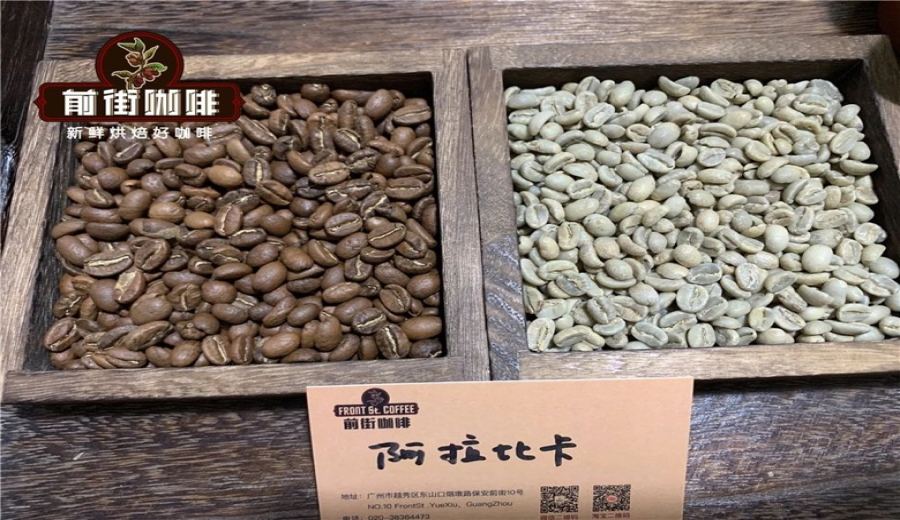
Introduction:Looking for high cost-performance Yirgacheffe coffee beans? Understanding the price differences and flavor characteristics between washed and natural processing methods can help you make a choice based on your budget and taste preferences. This article delves into the features of different Yirgacheffe processing methods, key pour over extraction parameters, and offers practical advice on bean selection and storage, ensuring you find the right beans whether you're a beginner or more advanced.
The reason Yirgacheffe has become a top choice for many pour over coffee enthusiasts lies in the diversity of its processing methods and grades. Among them, washed Yirgacheffe beans, such as the commonly seen Grade 1 Kongding, are relatively affordable and offer clear citrus and floral notes, making them a standard choice for experiencing the classic flavors of Yirgacheffe; whereas naturally processed beans, such as the Panama Finca Elida Red Label, although priced higher, deliver intense jasmine and bergamot aromas that truly showcase their value—these two beans perfectly represent the two extremes of Yirgacheffe in terms of cost-performance and premium quality.
The factors influencing the flavor profile of pour over coffee actually form an entire system: including origin, variety, processing method, roast level, and most importantly, brewing parameters. Light roasts typically highlight floral and fruity notes, while medium roasts emphasize sweetness and body; water temperature, grind size, pouring speed, and rhythm all affect the sequence and layering of aroma release. If you only remember the name of the bean, it’s easy to overlook the flavor differences brought by these critical details.
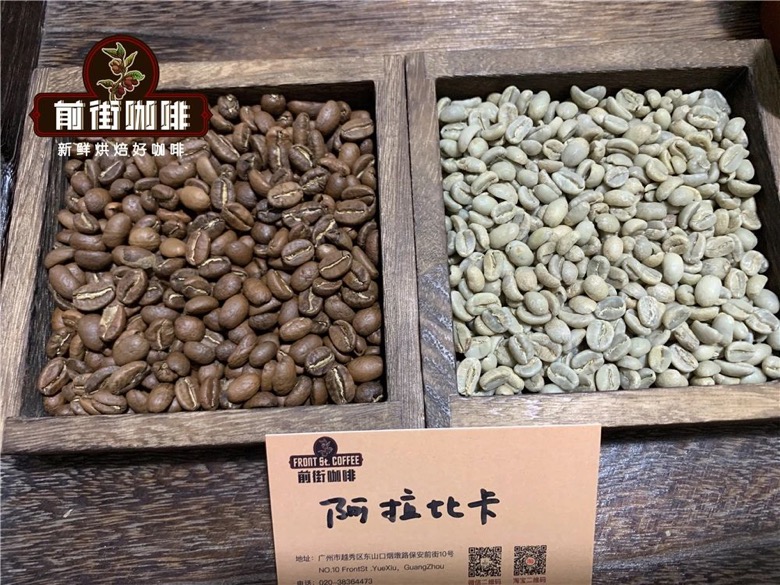
Yirgacheffe beans span a fairly wide price range, so it’s recommended to clarify your needs—whether for daily drinking or trying something new—before making a selection, which will make your choice clearer. The following beans at different price points can cover needs from entry-level to advanced: Kenya Little Tomato, with flavors of cherry tomato, dark plum, and brown sugar, bright acidity and a substantial mouthfeel, very suitable for those who enjoy juicy sensations and clean aftertastes; Kafa Forest features orange, ripe apricot, and oolong tea-like aftertaste, with a light and crisp texture, and notably, its sweetness becomes even more pronounced as it cools; as for the Granja La Esperanza Geisha, it showcases layered flavors of orange blossom, guava, apricot, and strawberry jam, with the intensity of the natural process running throughout, and brewing it via pour over allows you to clearly track each layer of flavor change.
From the roast date to the storage time after opening, these time-related factors directly impact the flavor performance of the beans. Generally, the optimal drinking window is three to four weeks after roasting; beyond that, the aroma gradually fades. For storage, follow the principles of airtightness, light avoidance, and cool conditions, and purchase according to actual consumption to avoid stockpiling. When evaluating flavors, it’s recommended to assess in the order of dry fragrance, initial sweetness, and finish; if the aroma seems lacking, first check grind size and storage conditions rather than blaming the beans themselves. Additionally, for the same bean, try hot brewing, cold drip, and milk-added versions, and record performance under different parameters—over time, this will build up rich extraction experience.
When actually selecting beans, it’s recommended to adopt a pragmatic approach: first assess how much time and energy you can dedicate to brewing, then decide the flavor direction you want to pursue. If even basic pouring time is hard to manage, start with nutty and cocoa-toned blends—these beans are stable for daily brewing and have low maintenance costs; whereas for coffee enthusiasts with time and interest in diving deeper, fruity and floral beans offer ample room for parameter adjustments, where each small tweak can yield noticeable results in the cup. For families with multiple members, it’s recommended to base the selection on one well-balanced bean, supplemented by single-origin beans based on individual preferences—this combination prevents your bean cabinet from filling up with similar-tasting beans that are hard to tell apart.
If you treat the coffee-to-water ratio and total water volume as fixed variables, grind size is actually the most important adjustment tool at hand. If the entry flavor is too sharp, first consider whether the water is extracting too little material—try adjusting to a finer grind; if the finish feels dry or astringent, it may be due to over-extraction or excessive stirring, so consider shortening the brew time or reducing the intensity of circular pouring. Adjust only one variable at a time to ensure correct direction and avoid confusion.
If you often adjust brewing tools or drinking habits, it’s recommended to manage your beans in layers: place everyday, stable beans at the bottom, and seasonal exploration beans at the top, used to experience the sweetness of honey processes or the body of anaerobic processes. Taking into account equipment characteristics, drinking habits, and personal preferences, over time your bean selection accuracy will improve, and you’ll be able to more precisely find the coffee beans that suit your taste.
The above content is compiled by CoffeeHunters, a coffee news website.

