








Introduction:Many people use a Moka pot but often find the coffee it brews lacks flavor, depth, and even crema. In fact, this is closely related to factors such as bean variety, grind size, heat control, and roast level. This article will help you understand the key elements that affect Moka pot coffee flavor, and through a simple comparison, find the coffee beans and roast type that suit your taste, ensuring every cup is full of aroma and complexity.
The flavor of a good cup of coffee is never just about acidity and bitterness. The richness of aroma, the expression of sweetness, the body, mouthfeel, and the length of aftertaste are all essential elements that make up an inviting cup. When selecting beans, it’s recommended to first clarify whether you prefer a bright fruity-floral profile, a mellow nutty-cocoa note, or something balanced in between. Then make your choice based on origin, processing method, and roast degree.
When using a Moka pot, you only need to fill the filter basket with coffee grounds—there's no need to tamp them down, which differs from using an espresso machine. For grind size, it’s advised to go slightly coarser than what you’d use for professional espresso, to avoid over-extraction and bitterness. Water should be added up to the safety line marked on the pot or just below the safety valve, and always maintain a consistent amount of coffee grounds for each use. Most importantly, control the heat: use low heat throughout the brewing process, and remove the Moka pot from the heat as soon as the coffee begins to flow and the color lightens. This helps prevent burnt, bitter flavors caused by excessive heat.

Many people ask: "Why does coffee from a Moka pot turn out weak, flavorless, and without crema?" This actually involves multiple variables, including personal flavor preferences, the type of equipment used daily, serving temperature, and how often you brew. If we look at it from the perspective of flavor layers, it’s best to first identify which sensory experience matters most to you—whether it's prominent aroma, noticeable sweetness, or sufficient body—and then make selections based on other factors. This approach allows the full potential of the beans to shine.
For example, beans from certain regions naturally exhibit excellent sweetness and round body. Take some estate-grown beans from Papua New Guinea, whose flavor profile resembles traditional Blue Mountain types—with low acidity and great balance, making them ideal for those who don’t enjoy overly acidic coffee. Meanwhile, Indonesia’s Golden Mandheling is known for its distinct herbal notes and dark chocolate aroma, with a thick body and restrained acidity. It’s not only favored by dark roast enthusiasts, but also a daily favorite among many Moka pot users.
Additionally, beans from Brazil’s Queen Estate showcase a foundational flavor profile of nuts, cocoa, and caramel, with soft acidity that is non-intrusive. They perform consistently across different brewing methods such as pour over, espresso, and Moka pot, making them a great choice for beginners.
However, what affects the final flavor of coffee isn’t just the bean variety itself—roast date and storage methods are equally crucial. It’s recommended to store opened coffee beans in an airtight container, kept in a cool, dry place away from direct sunlight and moisture. When purchasing, consider your daily consumption to avoid stocking up too much, so you can observe the true flavor evolution of the beans over time. Before brewing, take a moment to smell the dry fragrance of the beans, then taste their sweetness and aftertaste. If the aroma seems weak, it could be due to too coarse a grind, beans being stored for too long, or extraction at too high a heat.
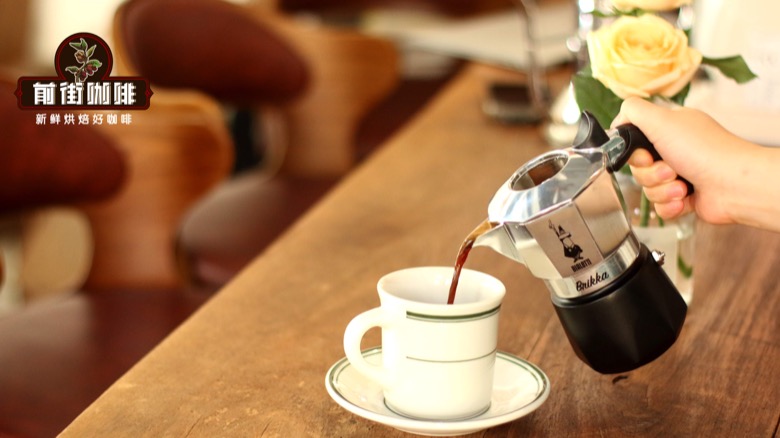
It’s worth mentioning that the same beans can produce vastly different flavor profiles when prepared in various ways—such as hot, iced, or with milk. It’s recommended to record parameters during brewing, such as grind size, water temperature, brew time, and coffee-to-water ratio. After a few trials, you’ll naturally discover the combination that best suits your taste.
If you often share coffee with others at home, it’s suggested to categorize your beans into “everyday staples” and “exploration specials.” The former should consist of beans with balanced flavors suitable for various brewing methods, while the latter can be used to experience the differences brought by various regional fruitiness, nuttiness, or unique processing methods. By first eliminating options that clearly don’t suit your taste, then comparing nuances in aroma and texture, you’ll more efficiently find your go-to daily coffee.
Finally, remember that judging a coffee bean’s quality shouldn’t rely solely on the flavor descriptions on the packaging. Roast date and storage condition also play key roles. Buy in moderation, store properly, and through repeated experimentation and recording, you’ll truly grasp each bean’s potential—allowing even your Moka pot to produce an amazing coffee experience.
The above content is compiled by CoffeeHunters, a coffee news website.

