







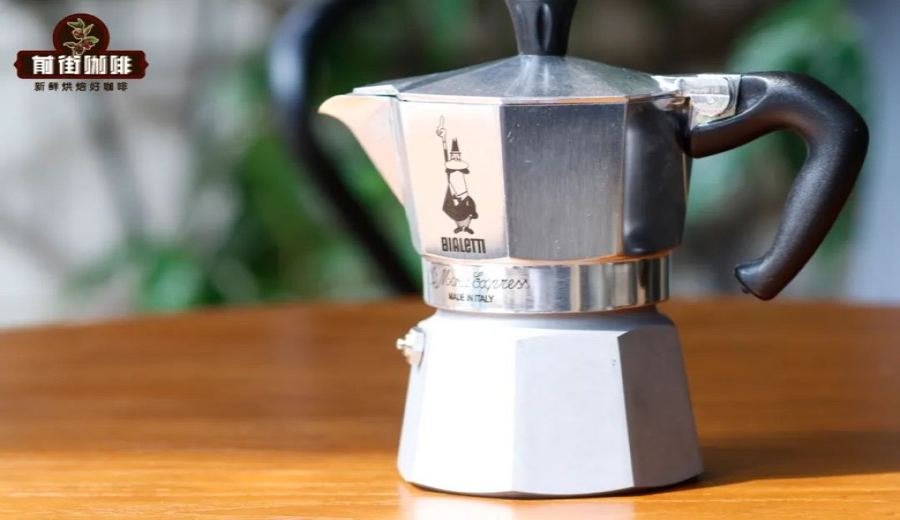
Introduction:Many coffee enthusiasts wonder whether to use cold or hot water when using a moka pot. In fact, this is just one part of the overall brewing process. This article will comprehensively explore how to brew coffee with ideal flavor using a moka pot—from its basic operation, suitable coffee bean types, roast levels and their relationship with flavor, to pairing suggestions for everyday and exploratory beans—helping you find your own brewing rhythm.
Roast level can be considered the core knob for adjusting coffee flavor. Light roast coffee often showcases bright acidity and floral notes, making it ideal for those who prefer a fresh taste. Medium roast strikes a balance between acidity and sweetness, with a caramel-like sweetness. Dark roast, on the other hand, emphasizes rich nutty, cocoa, and chocolate aromas, offering a full-bodied mouthfeel and a long-lasting aftertaste. Different roast levels also influence the extraction pace and method, so choose based on your preferred drinking style.
When using a moka pot, its extraction principle relies on steam pressure generated by heating the lower chamber, which forces hot water through the coffee grounds. Therefore, when filling the coffee grounds, simply fill the filter basket—you don’t need to tamp it down like you would with an espresso machine. It’s recommended to adjust the grind size to be slightly coarser than espresso but finer than pour over, in order to achieve a more even extraction. As for water volume, it’s best to follow the markings on the pot or not exceed the safety valve position to avoid excessive steam pressure and potential danger. Use low to medium heat when heating. Once you see the coffee liquid flowing out steadily and its color gradually lightening, you should immediately turn off the heat. This helps reduce bitterness and burnt flavors caused by over-extraction.
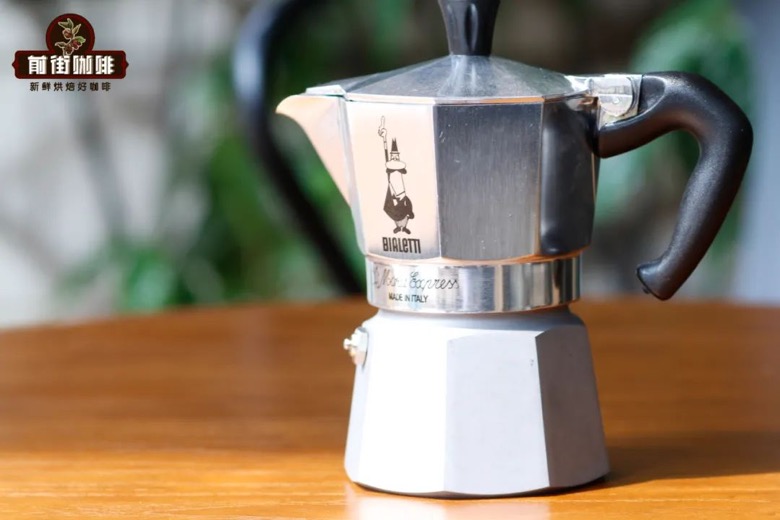
Regarding the question “Should I use cold or hot water in a moka pot?”, it’s recommended to consider several aspects: your preferred flavor profile, the equipment you commonly use at home, your desired coffee temperature, and how frequently you brew each day. If you prefer to enjoy hot coffee quickly, using hot water may shorten the brewing time, but it could affect the finer details of flavor expression. Conversely, using cold water takes longer to heat up, but helps fully release the layered flavors of the coffee. Depending on the roast level, you can further adjust your pairing strategy. Clarify what matters most to you first, then refine your choices through other conditions, so that the coffee beans can showcase their most distinctive characteristics in every brew.
Taking a few popular and well-loved coffee beans as examples, Indonesian Golden Mandheling features distinct herbal and dark chocolate tones, with a rich and bold body and low acidity. It’s very suitable for dark roast styles of drinking, and whether brewed via pour over, espresso, or moka pot, it consistently delivers a strong and intense flavor. Brazilian Queen Estate beans, on the other hand, are characterized by gentle acidity along with rich nutty, cocoa, and caramel sweetness, making them suitable for various brewing methods. The moka pot can also bring out a smooth and balanced flavor. In addition, classic blends focus on a nutty and caramel backbone, combining richness and body. They work well whether using an espresso machine, moka pot, or paired with milk for a latte.
When purchasing and storing coffee beans, it’s recommended to buy according to your daily consumption. After opening, be sure to seal them properly and store them in a cool, dry place to prevent rapid flavor loss. Before brewing, you can first smell the dry aroma, then experience the sweetness and aftertaste upon tasting. If the aroma seems lacking, it might be due to too coarse a grind or the beans being stored for too long. Additionally, hot drinks, iced drinks, and milk-based presentations all vary, so it’s recommended to try multiple times and record parameters to find the cup type and brewing method that suits your taste best. Likewise, don’t forget to note the roast date of the beans, which is crucial for understanding their optimal flavor window.
Once the flavor direction is determined, the next step is to assess the ease of brewing. Beans with prominent floral and fruity notes often require more precise control over water temperature, grind size, and pouring rhythm. In contrast, blends mainly featuring nuts and cocoa tend to be more stable and are suitable for quick daily brewing. If there are multiple people in your household with different taste preferences, it’s recommended to start with a flavor-balanced bean as your base, then gradually try other single-origin beans based on personal preferences. This makes it easier to distinguish differences compared to buying multiple beans of similar styles all at once.
Flavor expression is actually influenced by many factors, among which roast date and storage conditions are often overlooked. Sealing the beans promptly after opening, storing them in a cool and dry place, and adjusting the purchase quantity according to daily consumption all help maintain stable flavor. During brewing, start by smelling the dry aroma, then carefully savor the flavors upon tasting, including sweetness and aftertaste. If the aroma isn’t prominent enough, check first whether the grind is too coarse or if the beans have passed their optimal flavor window. Different consumption methods, such as hot drinks, iced drinks, or milk-based drinks, can also present the same beans in vastly different ways. After recording a few brewing sessions, you’ll be able to find the cup type and brewing combination that works best for you.

As your home brewing habits and taste preferences change, consider dividing your coffee beans into two categories: everyday drinking and exploratory beans—one for providing a stable and smooth base flavor, and the other for exploring different floral and fruity notes, nutty and cocoa tones, or special processing methods. Once the roast direction is clear, you can further fine-tune the flavor by adjusting the grind size, water temperature, and extraction time. This approach is more practical than frequently switching beans and can also help you gain a deeper understanding of the potential of each coffee.
The above content is compiled by CoffeeHunters, a coffee news website.

