







Introduction:To brew coffee with an ideal flavor using a moka pot, grind size is one of the key factors. This article delves into the optimal grind coarseness for moka pots, how beans of different roast levels perform, and how to choose the right coffee beans based on personal taste and usage scenarios. Whether you're new to moka pots or an advanced user looking to refine your extraction, you'll find practical advice and specific references here.
The flavor profile and extraction performance of coffee vary significantly with roast level: light roasts often feature bright floral and fruity aromas with lively acidity, medium roasts showcase sweetness and overall balance, while dark roasts typically present rich notes of nuts, cocoa, and a full-bodied mouthfeel. These characteristics are not absolutely superior or inferior—the key lies in whether they align with your daily drinking preferences. Choosing the right beans allows you to enjoy the unique charm of each cup.
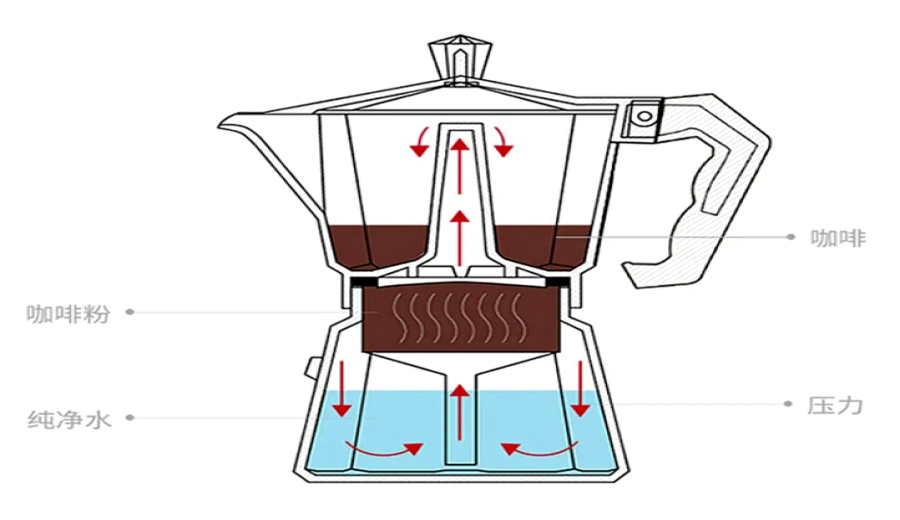
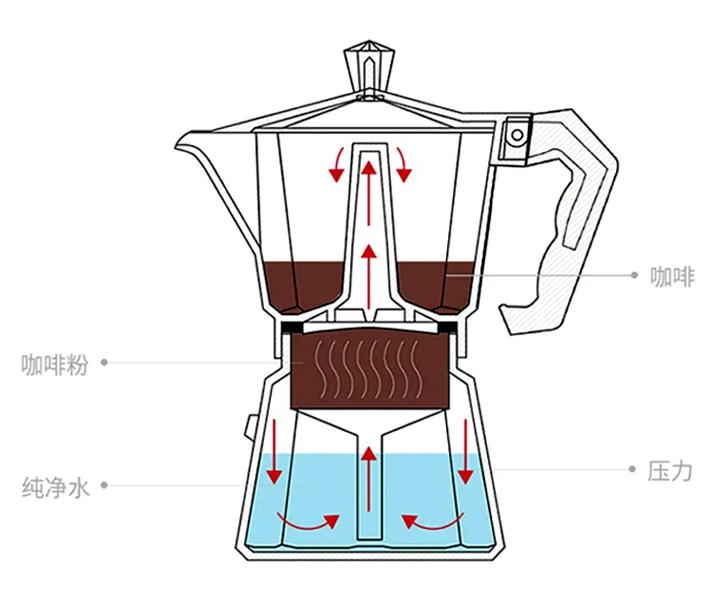
The moka pot is a brewing device that uses steam pressure. When operating it, simply fill the filter basket evenly with coffee grounds,without applying additional tamping,as this may instead affect water flow and the evenness of extraction. It is recommended to usea slightly coarser grind than for espresso,with water volume controlled by referring to the markings on the pot body or using the level below the safety valve as a guideline. Keep the coffee dosage consistent each time to help stabilize extraction results. Heat with a small flame throughout, and once the coffee begins to flow continuously and the color noticeably lightens, remove the heat source immediately. This effectively prevents over-extraction and the resulting burnt, bitter flavors.
Regarding the common question "What grind size should I use for a moka pot?", it can actually be comprehensively evaluated from several aspects: your preferred flavor type, the brewing device you usually use, your habitual drinking temperature, and your actual daily brewing frequency. It’s suggested to first clarify which factor matters most to you, then further refine your selection based on other conditions. This not only brings you closer to your personal taste but also helps the coffee beans in your hand showcase more distinct characteristics during actual brewing.
For example, some coffee beans offer a clean and refreshing texture upon the first sip, with gentle sweetness and an overall flavor profile similar to Blue Mountain—perfect for those who prefer low acidity and balanced taste. There are also beans with herbal freshness and the rich depth of dark chocolate, featuring low acidity. They are great choices for both dark roast enthusiasts and everyday drinkers who mainly use moka pots or Americano. Additionally, there are beans centered around nuts and cocoa, with a natural caramel-like sweetness in the aftertaste and very mild acidity. These beans can produce a rounded and full-bodied mouthfeel whether brewed with pour over, espresso machines, or moka pots.
A coffee bean’s performance after opening is closely related to its roast date and storage method. It is recommended to keep the package tightly sealed after opening, store it in a cool and dry place, and purchase based on your actual daily consumption. This helps you more intuitively track flavor changes. During actual brewing, you can first smell the dry aroma of the beans, then carefully observe the flavors upon tasting, the sweetness, and the aftertaste. If you notice a significant lack of aroma, consider checking whether the grind is too coarse or if the beans have been stored for too long. Moreover, the same beans can present vastly different flavor profiles at different temperatures (e.g., hot drinks, iced, or with milk), so it’s advisable to record several brewing parameters and gradually discover the combination that best suits your taste.

Your usual brewing equipment, drinking habits, or personal flavor preferences aren’t always set in stone. You might consider dividing your coffee beans into two main categories: “everyday beans” that serve as a stable daily choice, offering a consistent and reliable drinking experience; and “exploration beans” used to try out different flavor dimensions such as floral and fruity notes, nutty profiles, cocoa undertones, or unique processing methods. It’s recommended to first fix the roast direction, then fine-tune through adjustments in grind size, water temperature, and extraction time. This approach often yields more noticeable and stable results compared to frequently switching between beans of vastly different styles.
In summary, to fully bring out the potential flavors of coffee beans, in addition to roast settings, post-opening storage habits are also crucial. Maintaining a good storage environment, avoiding high temperatures and humidity, and purchasing according to actual consumption help you more clearly record and perceive subtle flavor changes. Each time you brew, start by sensing the dry aroma, then gradually appreciate the layers of flavor upon tasting, the sweetness, and the aftertaste. If you find the aroma performance falls short of expectations, prioritize checking the grind size and how long the beans have been stored. Through continuous experimentation and record-keeping, you’ll be able to more precisely master your ideal cup.
The above content is compiled by CoffeeHunters, a coffee news website.

