







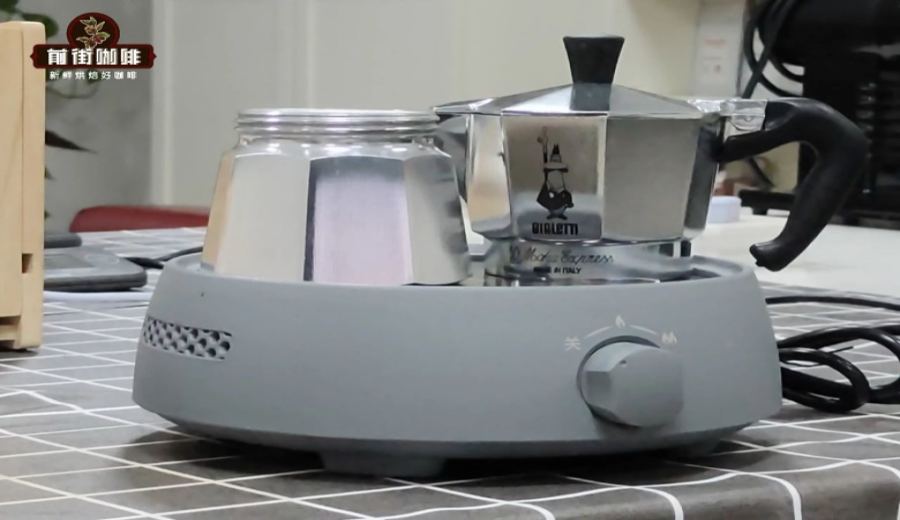
Introduction:When brewing coffee with a Moka pot, mastering the correct amount of coffee grounds, water volume, and coffee-to-water ratio is key to influencing flavor expression. This article takes a practical approach to analyzing the extraction principles of the Moka pot, recommended dosage and water ranges, and offers selection advice for beans of different roast levels—helping you adjust to your ideal bold cup.
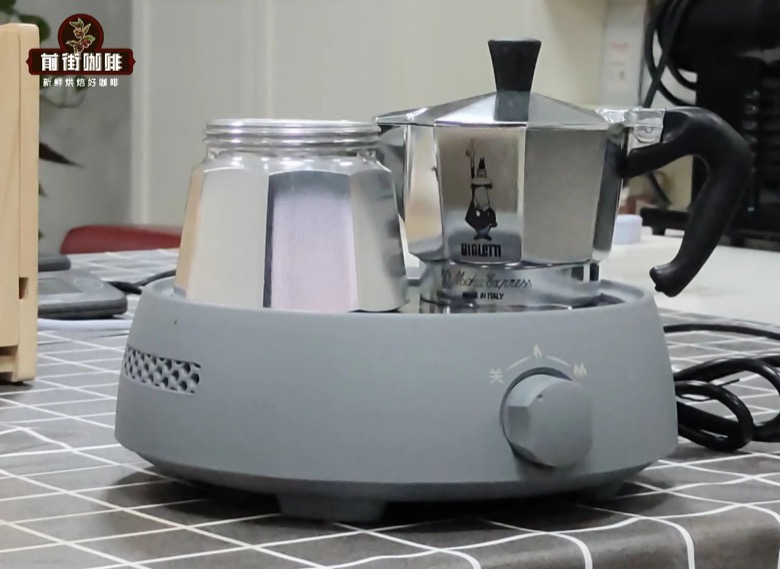
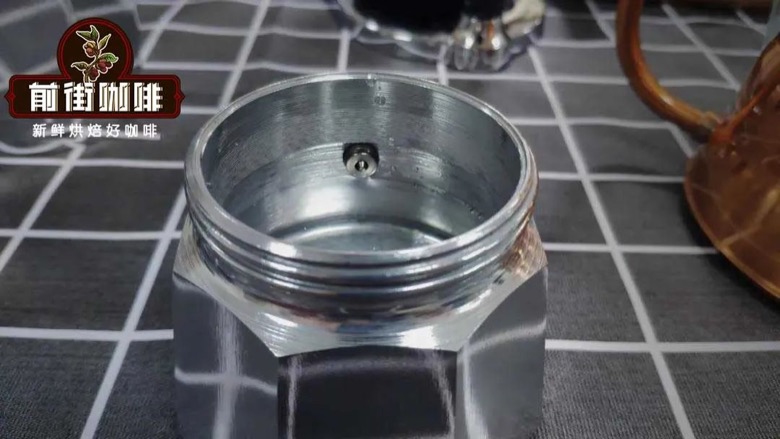
The Moka pot extracts coffee using steam pressure generated by heating. Unlike traditional espresso machines, there’s no need to tamp the coffee grounds tightly—just evenly distribute them across the filter. It’s recommended to use a grind slightly coarser than that for espresso to avoid over-extraction, which can lead to bitterness. The water level should generally be up to the marked line on the pot or just below the safety valve; exceeding this may cause boiling water to spill into the coffee spout.
Questions such as “How much coffee and water should I use in a Moka pot? What’s a suitable coffee-to-water ratio?” should be considered based on personal taste preferences, the equipment you usually use, desired coffee temperature, and how often you drink coffee daily. First clarify the flavor profile you value most—such as whether you prefer bright acidity or rich sweetness—and then make your selection based on roast level and brewing conditions, allowing each bean to showcase its unique characteristics.
For example, if you prefer a clean and naturally sweet coffee flavor, beans roasted from light to medium are usually a better choice. These beans typically exhibit floral and fruity notes with bright acidity. On the other hand, if you enjoy a bold, full-bodied coffee with chocolate or nutty aromas, medium-dark to dark roasted beans can better meet your needs. Under the high-pressure extraction of a Moka pot, these beans can reveal rich textures and layered aromas.
Proper daily storage of coffee beans is also extremely important. Once opened, they should be sealed promptly and stored in a cool, dry place, away from direct sunlight and humid environments. It’s recommended to only take out the amount you’ll use in the near future to ensure optimal flavor with each brew. Before brewing, you can first smell the dry aroma of the beans, then observe the sweetness and aftertaste upon tasting. If the aroma seems weak, it could be due to too coarse a grind, beans being stored for too long, or insufficient extraction time. Additionally, the same beans may perform differently when made into hot drinks, iced coffee, or when milk is added. It’s recommended to experiment multiple times and record parameters to gradually find the brewing method that suits you best.
When you’re just starting to use a Moka pot, it’s recommended to begin with the standard ratio based on the pot’s capacity, with the coffee bed spread evenly—typically setting the coffee-to-water ratio between 1:12 and 1:15, adjusting according to personal taste. If you find the brewed coffee is too bitter, try reducing the stove heat intensity, turning off the heat earlier, or slightly adjusting the grind to be coarser. Following these three methods in order can usually effectively improve the flavor. Conversely, if the coffee tastes too weak, check whether the coffee dose is insufficient or if the pot’s gasket has aged, leading to insufficient pressure.
Additionally, based on everyday usage scenarios, it’s recommended to categorize coffee beans into “daily stable picks” and “exploratory variety picks”: the former for everyday drinking, selecting beans with balanced and stable flavors; the latter for trying beans from different regions, processing methods, or flavor profiles to experience diverse coffee experiences. First determine your preferred roast direction, then fine-tune factors like grind size, water temperature, and extraction time. Often, this approach allows for a more nuanced appreciation than frequently switching bean varieties, and helps you gradually develop your own brewing style.
The above content is compiled by CoffeeHunters, a coffee news website.

