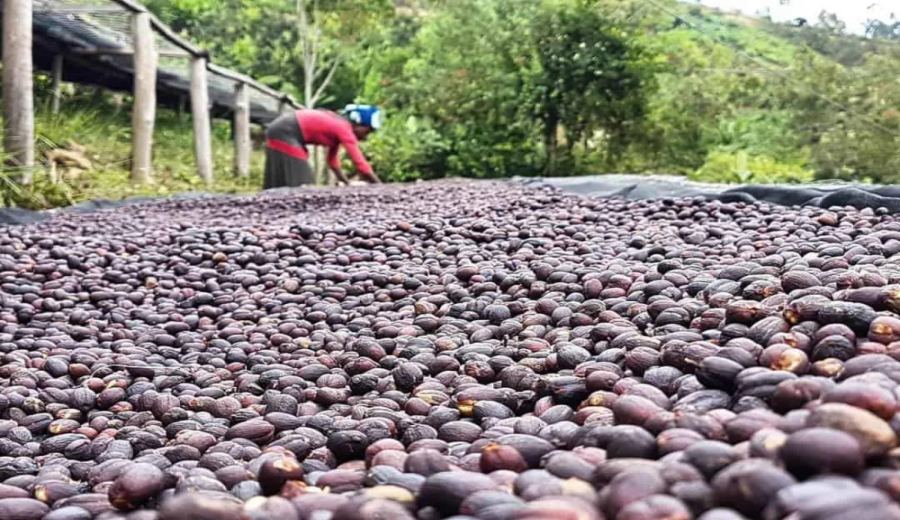
Introduction:In recent years, the demand for specialty coffee in the Chinese market has grown rapidly. As one of the world’s top coffee-producing countries, Ethiopia has delivered outstanding export performance to China. The latest data shows that China has surpassed the United States to become the third-largest importer of Ethiopian coffee, and is expected to take the top spot in the near future. This article will delve into the trends, regional characteristics, and market potential of China’s imports of Ethiopian coffee, helping readers grasp this new wave in the coffee trade.
According to official statistics from the Ethiopian Coffee and Tea Authority (ECTA), in the just-concluded fiscal year, China imported as much as 47,836 metric tons of coffee beans from Ethiopia, with a total value of approximately $347 million. Compared to the previous year’s 34,284 metric tons, this marks a significant increase in import volume. These figures indicate that demand for Ethiopian coffee in the Chinese market is steadily rising, even surpassing the United States to make China the country’s third-largest global coffee importer.
It is worth noting that Ethiopia, as the birthplace of coffee, boasts rich genetic diversity and unique flavor profiles in its coffee beans. Its output is renowned for bright acidity, complex floral and fruity notes, and is highly favored by specialty coffee enthusiasts worldwide. Meanwhile, Chinese consumers—especially the younger generation—are increasingly seeking out coffee with layered flavors and distinctive regional characteristics.
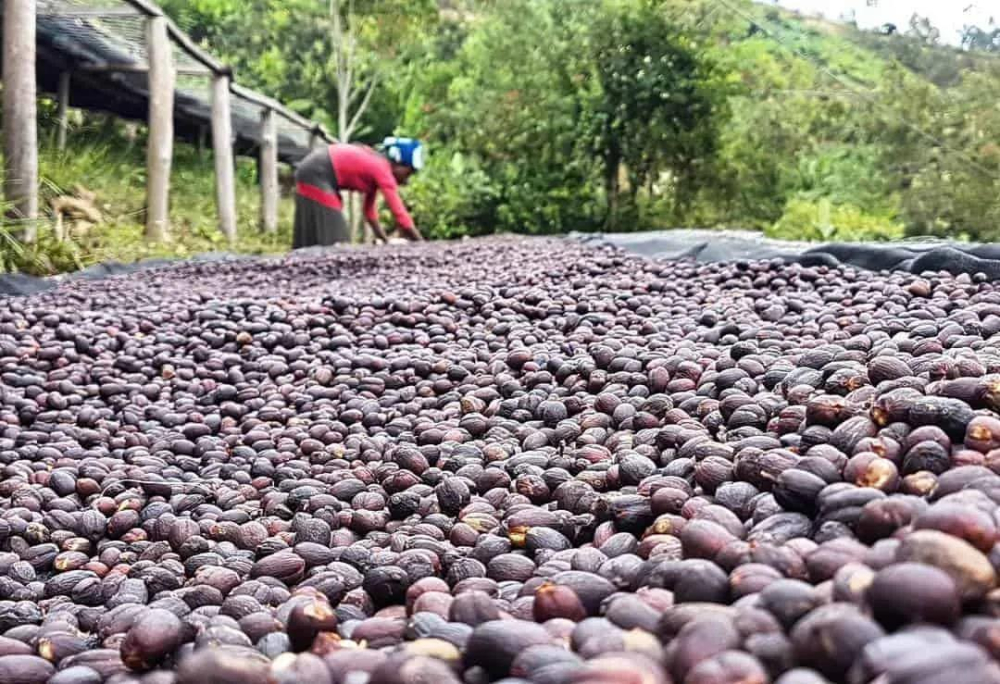
The Ethiopian Coffee and Tea Authority further pointed out that the country’s annual coffee production has seen significant growth over the past five years, rising from 500,000 metric tons five years ago to the current 1.5 million metric tons—an increase of 200%. At the same time, the yield per hectare has also made a major leap, increasing from around 600 kilograms to 1,000 kilograms per hectare, reflecting continuous improvements in cultivation techniques and agricultural management standards.
Shafi Umer, Vice Chairman of the Ethiopian Coffee Trade Association, said in an interview: “China is one of the emerging markets for Ethiopian coffee, but currently, the export volume is showing strong growth momentum. We expect that within the next two years, China could become the largest buyer of Ethiopian coffee.” He also added that the association is actively promoting the export of organically certified coffee to meet Chinese consumers’ expectations for health, sustainability, and high-end coffee quality.
Currently, besides the standout performance in the Chinese market, Saudi Arabia and Germany remain the two major importers of Ethiopian coffee. These markets have varying preferences for roast levels, processing methods, and flavor profiles, prompting Ethiopia to adopt a more diverse and refined coffee export strategy.
Additionally, a policy change has also impacted import volumes into the Chinese market. In May 2026, China will fully eliminate the 100% import tariff on Ethiopian products, including coffee. This move significantly reduces import costs, further stimulates the purchasing willingness of Chinese buyers, and gives Ethiopian coffee a stronger competitive edge in terms of pricing.
For coffee importers and roasters, understanding the characteristics of Ethiopia’s various coffee-growing regions is crucial. For example, Sidamo and Yirgacheffe are known for their bright citrus notes and floral aromas, making them ideal for consumers who prefer a refreshing taste; whereas Harar is famed for its rich berry and spice flavors, appealing more to those who enjoy bold, intense profiles. Mastering this basic information helps in selecting the most suitable coffee beans for target customer groups and enhances product differentiation.
The above content is compiled by CoffeeHunters, a coffee news website.