







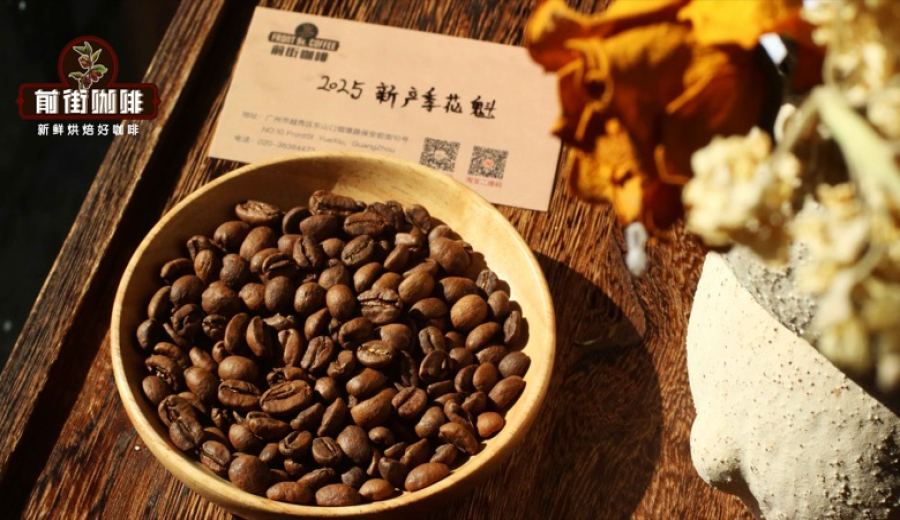
Introduction:When selecting light roast floral coffee beans, starting from your daily drinking scenarios can help you find the flavor profile that suits you best. This article will guide you on how to choose outstanding light roasted beans based on brewing equipment, water temperature, grind size, and personal consumption habits. It also explains the characteristics of common floral and fruity aromas, offers practical pour over tips, and provides storage advice to ensure each brew brings out the bean’s best flavors.
When choosing coffee beans, it's recommended to first consider your daily drinking situations: Do you enjoy a pure black coffee in the morning or prefer a milk coffee with breakfast? Do you use a pour over kettle to savor it slowly, or do you need a coffee machine for quick service? Different usage scenarios directly influence the suitable roast level, flavor direction, and extraction method. Especially for light roast beans, their flavor expression is closely related to brewing conditions. Understanding these details can help you more precisely enjoy the layers of coffee flavor.
The flavor presentation of pour over coffee is actually shaped by a combination of origin, variety, processing method, roast degree, and brewing parameters. Light roast beans usually exhibit brightfloral and fruity aromas,while medium roast tends to lean toward sweetness and a fuller body. In addition, variations in water temperature, grind size, and pouring rhythm can alter the sequence and expression of aroma release, so you can’t determine flavor profiles solely based on the names on the coffee bag.
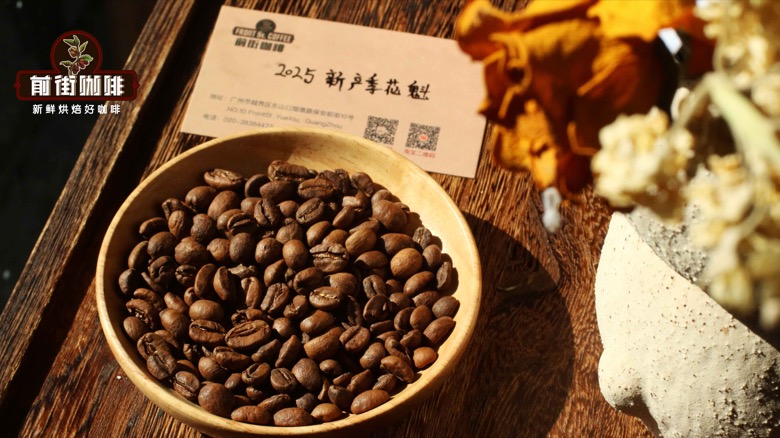
For selecting “light roast floral coffee beans,” it’s advisable to break down your choice across several dimensions: your preferred flavor types, commonly used brewing equipment, desired drinking temperature, and your daily coffee consumption frequency. Based on your actual drinking scenarios, clarify the factors that matter most to you first, then use them as a foundation for selection. This not only preserves your personal taste preferences but also allows the beans to show clearer characteristics during brewing.
For example, some light roast beans exhibit a combined flavor reminiscent ofcherry tomatoes, dark plums, and brown sugar,with vibrant acidity yet without being overly sharp — ideal for those who enjoy a refreshing juice-like taste with a clear finish. Other beans may present a layered profile oforange, ripe apricot, and oolong tea aftertaste,offering a light-bodied experience, with sweetness becoming more pronounced as the temperature slightly drops. Additionally, there are naturally processed beans that carryorange blossom, guava, apricot, and strawberry jamaromas — perfect for appreciating their nuanced flavors through pour over brewing.
Besides the flavors themselves, the roast date and storage methods of the beans also greatly affect the final outcome. It’s recommended to store coffee beans in acool and dry place with a tight sealafter opening, and to purchase according to your daily actual consumption. This makes it easier to observe the flavor changes of the beans over time. Before brewing, first smell the dry fragrance of the beans, then taste the flavors, sweetness, and aftertaste in the cup. If you notice insufficient aroma, it could be due to too coarse a grind or beans that have been stored for too long. Moreover, the same beans prepared as hot drinks, iced coffee, or with milk can perform very differently. It’s suggested to record a few different parameters and brewing methods to more quickly find the most suitable way to brew for yourself.
If you’re considering both “favorite flavors” and “acceptable brewing difficulty,” you can pair beans with prominent floral and fruity notes with more user-friendly blends. Beans with standout fruitiness usually require more precise adjustments in water temperature, grind size, and pouring rhythm, whereas nutty and cocoa-forward blended beans are better suited for everyday use where stability is key. If you share coffee at home with multiple people, it’s recommended to select one well-balanced bean as a daily base option, then supplement with single-origin beans based on individual tastes. This way, you can more clearly compare the characteristics of different beans and avoid purchasing too many options with similar flavor profiles at once.
During the pour over process, it’s recommended to first fix the coffee-to-water ratio and total brew water volume, usinggrind size as the main adjustable parameter.If the flavors in the cup come across as too sharp, it may indicate under-extraction; if a dry or astringent sensation appears in the aftertaste, you might consider reducing agitation or shortening the contact time between coffee grounds and water. Make only one change at a time and adjust gradually — this makes it easier to achieve the optimal extraction state.
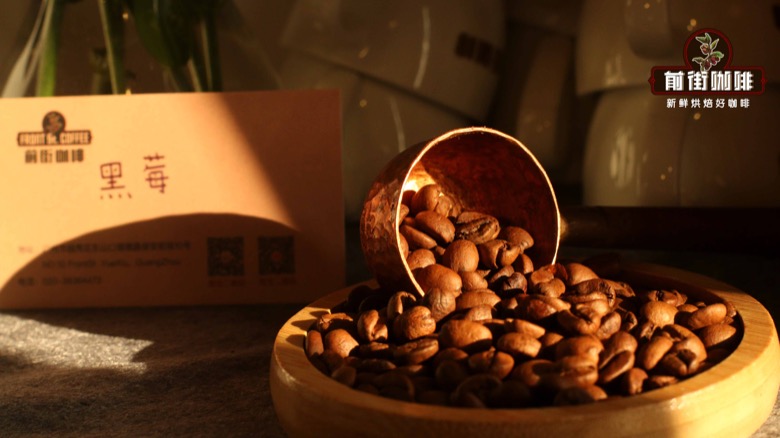
If the equipment you use, your drinking habits, or flavor preferences frequently change, you might also consider categorizing your beans into “daily stable options” and “exploratory new options”: one for reliable daily performance, and another to experience the surprises brought by various floral and fruity notes, nutty profiles, or special processing methods. Taking into account your commonly used equipment, drinking methods, and preferred flavors will lead to a more comprehensive and practical bean selection process than focusing on a single keyword alone.
The above content is compiled by CoffeeHunters, a coffee news website.

