







Introduction:Want to choose the right espresso beans for yourself but don’t know where to start? This article provides a clear and easy-to-understand bean selection logic, guiding you from flavor preferences and equipment pairing to everyday usage scenarios, helping you establish your own bean selection criteria. Whether you’re just getting started or searching for a reliable blend with consistent output, you’ll find practical reference points here.
For those new to espresso, there’s no need to rush into exploring too many flavor variations. It’s recommended to start with a bean that has a clear flavor profile and is suitable for various brewing methods. Keep the dose, grind size, and water temperature stable, then carefully observe changes in the flavors upon tasting, sweetness, and aftertaste. By doing so, you can gradually build your own taste benchmark.
The key to extracting good espresso lies in achieving a precise balance between dose, grind size, yield, and extraction time. Generally speaking, blends are more likely to deliver a stable foundation of nutty, cocoa, and caramel notes, while single-origin espresso (SOE) beans can better showcase the unique aromas and acidity-sweetness layers of their origin. It’s advisable to first clarify the type of drink you want, and then decide whether you prefer a richer body or more distinctive regional characteristics.
If you’re looking for “recommended espresso beans that taste great,” you might want to break down your selection criteria into several aspects: personal taste preferences, the brewing equipment you commonly use, preferred drinking temperature, and how often you drink coffee daily. From a beginner’s perspective, you can start by identifying which factor matters most to you, and then filter your choices based on that. This way, you can both preserve your personal preferences and allow the beans to express their unique flavors during actual brewing.
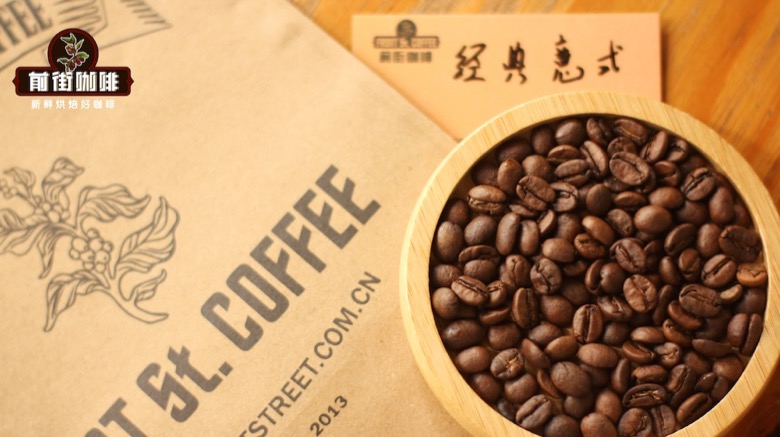
For example, some beans such as those from Brazil’s Queen Estate offer distinct nutty, cocoa, and caramel sweetness with a gentle acidity. They perform smoothly across different brewing methods—whether it’s pour over, espresso machines, or moka pots—and deliver a rounded, mellow mouthfeel. On the other hand, Indonesian Golden Mandheling tends toward herbal, dark chocolate, and bold flavors with lower acidity, making it especially suitable for dark roast enthusiasts and a great match for moka pots and Americano-style brewing. As for classic blends, they usually emphasize nutty, cocoa, and caramel profiles, excelling in richness and body, making them ideal for everyday milk-based coffee or when using espresso machines or moka pots.
Beyond flavor direction, factors such as the roast date and storage method of the beans can also directly affect the final cup quality. It’s recommended to keep coffee beans well-sealed after opening and store them in a cool, dry place. Purchasing according to your daily actual consumption helps you observe how flavors change over time more clearly. When brewing, start by smelling the dry fragrance, then take time to savor the flavors, sweetness, and aftertaste. If you find the aroma lacking, it may be due to too coarse a grind or beans that have been stored for too long. Additionally, the same beans may perform quite differently in hot drinks, over ice, or with milk, so it’s a good idea to record a few sets of brewing parameters—you’ll usually be able to identify the most suitable combination for your taste.
You can also consider separating your evaluation into “preferred flavor types” and “acceptable brewing difficulty.” Beans with prominent floral and fruity notes generally require more precise control over water temperature, grind size, and pouring rhythm, demanding more delicate handling. In contrast, blends with nutty and cocoa flavors are more suitable for everyday use when you prioritize consistency. If multiple people in your household share the coffee, it’s recommended to start with a flavor-balanced bean as your base, and then gradually try other single-origin beans according to individual tastes. This approach makes it easier to compare differences compared to buying multiple beans with similar flavor profiles all at once.
When using an espresso machine, it’s recommended to start with a 1:2 coffee-to-water ratio, then adjust the grind size based on the actual acidity, bitterness, and sweetness you perceive upon tasting. If you find the acidity too sharp, you can try extending the extraction time or slightly increasing the water temperature. If you notice significant bitterness or astringency, try shortening the extraction time or adjusting to a coarser grind size.
If your daily brewing equipment, drinking habits, or flavor preferences frequently change, you might also consider dividing your beans into two categories: “everyday stable blends” and “exploration varieties.” Use one to ensure consistent output every time, and the other to experience different floral-fruity notes, nutty-cocoa profiles, or processing method-induced flavor variations. Once you’ve fully understood the characteristics of one type of bean, you can then switch to another with a different roast degree or processing method. This comparative process will be more concrete and rewarding.
The above content is compiled by CoffeeHunters, a coffee news website.

