







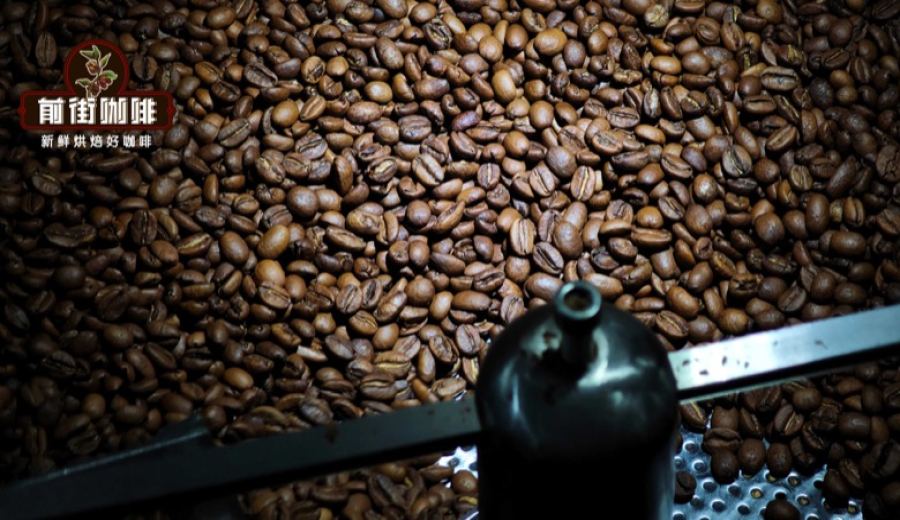
Introduction:Want to understand how Ethiopian Yirgacheffe SOE beans perform in flavor across different roast levels? This article will take an in-depth look at how light, medium, and dark roasts affect cupping experiences, and provide practical pour over parameter suggestions. From floral and fruity notes to chocolatey profiles, it helps you choose the most suitable Yirgacheffe single-origin bean based on brewing method, seasonal changes, and personal taste.
Roast level not only alters the color of the coffee but also directly impacts its aroma profile and extraction characteristics. Generally speaking,Light Roastcan preserve bright citrus and berry tones with lively acidity, making it ideal for highlighting regional characteristics;Medium Roastbrings out caramel sweetness and a balanced acidity-bitterness, suitable for various brewing methods;Dark Roastenhances the rich mouthfeel of nuts and cocoa, making it suitable for winter or when paired with milk. The key is not which roast is best, but which one matches your brewing habits and taste preferences.
When using an espresso machine for extraction, the key lies inthe precise combination of dose, grind size, extraction time, and yield. Commercial blends often deliver a stable nutty base and caramel sweetness, while SOE (Single Origin Espresso) can better showcase unique regional flavors, such as distinct floral notes or fruity acidity. It’s recommended to first clarify the type of drink you want to make, then decide whether you want to emphasize a rich body or prioritize preserving the origin’s original characteristics.
If you’re looking for “Yirgacheffe SOE coffee bean recommendations,” it’s advisable to evaluate from the following aspects: personal taste preference (leaning toward sweet & acidic or bold & rich), commonly used brewing equipment (such as pour over kettle, AeroPress, or French press), drinking temperature conditions (hot or iced), and daily consumption volume. Try to first clarify the factors that matter most to you, then gradually filter based on other conditions—for example, if clear fruity notes are your priority, a light roast may be the best choice; if you prefer a stable and rich profile, a medium-dark roast might be more suitable. This way, you can not only preserve each bean’s individuality but also showcase its optimal flavor characteristics during actual brewing.
Taking a common Yirgacheffe SOE as an example, a certain coffee brand’s “Yirgacheffe Gu Ding Ding” is a typicallight-to-medium roast, highlighting citrus, red berries, and jasmine floral notes, with a green tea-like aftertaste. When brewed via pour over, its aroma layers are distinct, and if switched to cold brew, the acidity becomes softer—suitable for summer drinking.Huaguifeatures tropical fruits such as pineapple, strawberry, and passion fruit as its main profile, with a pronounced sweetness, suitable for pour over, ice drip, or cold brew, capable of delivering a rich juice-like sensation.Kenya Little Tomatoboasts bright cherry tomato acidity, mixed with aromas of black plum and brown sugar, offering a refreshing taste and a clean finish—ideal for those who enjoy high acidity with clear structure.
It’s especially important to note thatroast date and storage methodhave a huge impact on coffee flavor. It’s recommended to use the coffee soon after opening and store it in a cool, dark place, preferably in an airtight container or a professional coffee storage box. Purchase only a 1–2 week supply at a time, which helps observe flavor changes in real time. Before brewing, sniff the dry fragrance, then taste the balance of acidity and sweetness along with the aftertaste’s persistence. If the aroma seems muted, it could be due to too coarse a grind, insufficient water temperature, or the beans being past their prime. Additionally, the same bean can perform quite differently in hot drinks, iced drinks, or when milk is added—so it’s recommended to record different parameters and gradually find your optimal brewing combination.
If you’re a beginner coffee enthusiast, it’s a good idea to separate “preferred flavor” from “ease of use.” Yirgacheffe SOEs with prominent fruity notes often require more precise control over water temperature (recommended 88–92°C), grind size (medium-fine to fine, roughly BG 6F–8F), and pouring rhythm—suitable for users pursuing layered flavors. In contrast, blends with nutty and cocoa profiles are easier to handle and more suitable for daily consistent use. If your household has diverse taste preferences, you can choose a well-balanced medium roast as a base bean, supplemented by 1–2 single-origin beans to try in rotation—it’s easier to compare differences this way than buying multiple similar-flavor beans all at once.
When using an espresso machine, it’s recommended to start witha 1:2 brew ratio (e.g., 18g of coffee grounds yielding 36g of liquid), then adjust the grind size based on actual flavor performance. If sharp acidity appears, try extending the extraction time or slightly increasing the water temperature; if bitterness is noticeable, shorten the extraction time or adjust to a coarser grind. Moreover, if your daily equipment, brewing method, or taste needs frequently change, you can categorize beans into “staple” and “exploratory” types: the former ensures consistency in daily cups, while the latter lets you explore characteristics of different regions or processing methods. Once you’ve identified your preferred roast direction, fine-tuning grind size, water temperature, and extraction time is often more efficient than frequently switching bean varieties—and allows for a deeper understanding of how coffee flavors evolve.
The above content is compiled by CoffeeHunters, a coffee news website.

