








Introduction:When brewing coffee with a moka pot, choosing the right coffee beans is key. This article explores how to select the most suitable beans based on roast level (light, medium, dark), usage scenario (morning black coffee, post-meal milk coffee), and personal flavor preferences. It also provides practical extraction tips and storage advice to help you get the most out of every cup brewed with your moka pot.
When selecting coffee beans, it’s recommended to start with your daily drinking scenarios: Are you looking for a morning black coffee to wake you up, or a milk coffee to go with breakfast? Do you prefer a leisurely pour over experience, or a quick and convenient brew? Different usage scenarios directly influence the suitable roast level, flavor profile, and brewing method. Understanding these factors can help you more quickly find your ideal bean choice.
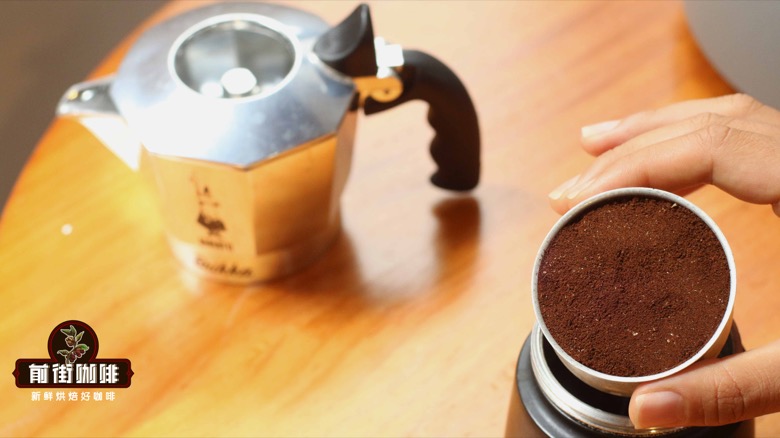
The moka pot is a brewing device that uses steam pressure to extract coffee. Unlike an espresso machine, it doesn’t require tamping the coffee grounds tightly. Simply fill the filter basket evenly to about 80% full. The grind size should be slightly coarser than that used for espresso. Water level can be controlled according to the markings on the pot or by filling up to just below the safety valve. Keep the coffee dose consistent without frequent changes. When heating, use low heat. As soon as you see the coffee begin to flow steadily and its color starts to lighten, turn off the heat immediately. This prevents excessive heating, which can lead to pronounced burnt or bitter notes in the coffee.
< >
When it comes to “Should I choose light roast, medium roast, or dark roast beans for my moka pot?”, there are several aspects to consider: your preferred flavor profile, the brewing equipment you commonly use, your temperature preference when drinking, and how often you drink coffee daily. It’s suggested to first clarify what matters most to you, then use that as a foundation to filter options based on other conditions. This approach takes both personal taste and the distinct characteristics of the beans into account during actual brewing.
For example, a certain brand’s PWN Indonesian Golden Mandheling offers distinct herbal, dark chocolate, and full-bodied flavors, with relatively low acidity. It’s very suitable for those who enjoy dark roast profiles and is a common choice for moka pot and Americano brewing. Meanwhile, beans from Brazil’s Queen Estate showcase gentle nutty, cocoa, and caramel sweetness with soft acidity. They deliver a rounded and balanced taste whether brewed via pour over, espresso, or moka pot. If you prefer a strong coffee suitable for adding milk, that brand’s classic blend is also a great option. Its flavor profile is dominated by nuts, cocoa, and caramel, with excellent intensity and body. It works well with espresso machines and moka pots, and is a great everyday match for milk coffee.
Beyond flavor type, the roast date of the coffee beans and how they’re stored also greatly affect the final extraction. It’s recommended to store opened coffee beans in an airtight container in a cool, dry place, and purchase according to your daily consumption. This makes it easier to observe how the beans’ flavors change over time. Before brewing, try smelling the dry coffee grounds, then savor the sweetness and aftertaste in the cup. If you find the aroma lacking, it could be due to too coarse a grind or beans that have been stored for too long. Additionally, the same beans may perform differently when made into hot drinks, iced drinks, or milk coffee. Trying multiple times and keeping track of parameters usually helps you find your optimal brewing method more quickly.
If you’re still getting familiar with brewing techniques, it’s a good idea to separate “preferred flavor types” from “acceptable brewing difficulty.” Generally, beans with prominent floral and fruity aromas require more precise control over water temperature, grind size, and pouring rhythm. In contrast, blends focused on nuts and cocoa are better suited for those seeking stable performance and ease of daily use. If you live with others who also enjoy coffee, you might start with a balanced-flavor bean as your base option, then gradually explore other styles based on personal taste. This makes it easier to notice differences compared to buying multiple beans with similar flavor profiles all at once.
In practice, you can first adjust the coffee-to-water ratio based on the moka pot’s capacity. After filling the coffee bed, gently level it. If the coffee tastes overly bitter or harsh, try reducing the heat, stopping the brew earlier, or adjusting the grind to be slightly coarser. Conversely, if the flavor seems too light, check whether the coffee dose is sufficient and whether the pot’s gasket is functioning properly.
< >
Finally, if your usual brewing equipment, drinking habits, or flavor preferences occasionally change, you might consider dividing your beans into two categories: “daily stable option” and “exploration option.” One provides a consistent and smooth coffee experience, while the other lets you enjoy surprises brought by different origins, processing methods, or flavor profiles. By taking into account your common equipment, drinking style, and personal flavor preferences, you’ll make a more well-rounded bean choice—not just based on a single keyword—and will more easily find the one that truly suits you.
The above content is compiled by CoffeeHunters, a coffee news website.

