Introduction:The latest data shows that Brazil’s August green coffee exports have already surpassed the total volume for the entire previous month last year, signaling a gradual release of supply from the new harvest season. As harvesting progress exceeds 90%, market attention is turning to the potential impact of weather on the next crop. This article analyzes the reasons behind the accelerated export pace and explains how weather may influence future coffee bean quality and yield.
Brazilian green coffee exports showed significant growth in August. According to official statistics, as of August 24, the monthly green coffee export volume had reached 153,800 metric tons—higher not only than the 142,900 metric tons exported in all of August last year but also demonstrating an accelerating trend in the release of new-crop supply.
Looking at daily shipment volumes, the average daily export volume during working days in August this year was approximately 10,250 metric tons, a substantial increase from 6,800 metric tons in the same period last year.Over 50%. This increase reflects that, as the harvest season progresses, port logistics and supply chains in producing regions have gradually adjusted to more efficient operation.
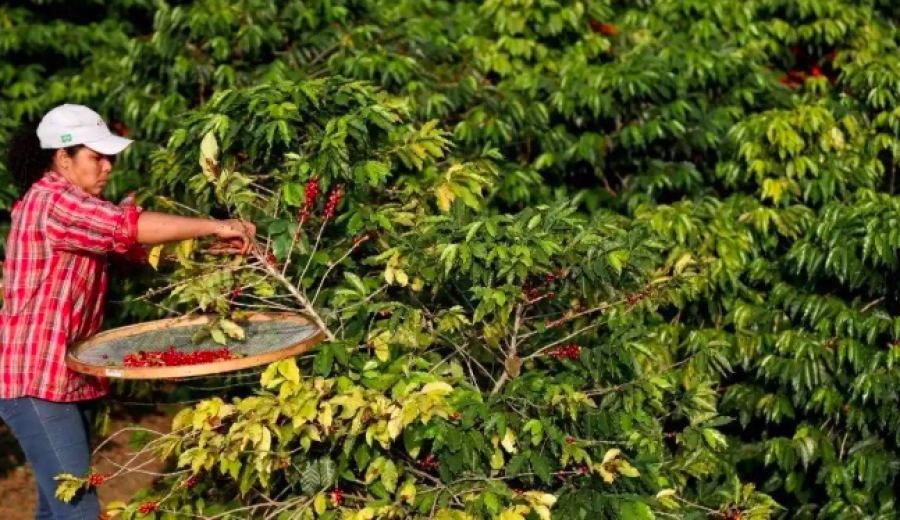
Although the market originally expected a bumper harvest in Brazil this year, persistent rainfall in some areas during July disrupted harvesting schedules, leading to slightly lower-than-expected export performance that month. By August, with improved weather conditions and faster harvesting progress, the nationwide harvest of the new-crop coffee has now reachedover ninety percent, and market discussions are gradually shifting toward climatic conditions for the next season.
Weather forecasts indicate that major Brazilian coffee-producing regions will soon face significant changes in rainfall patterns.A StoneX analysis reportpoints out that several regions, including Cerrado, are expected to experience heavier rainfall this week, with notable shifts in weather patterns across key Arabica-growing areas such as southern Minas Gerais, São Paulo, and Mata de Minas.
Notably, according to expert estimates, a new wave of showers may occur again in early September. For Arabica varieties, this rainfall could help trigger widespread flowering of coffee trees, laying the foundation for next season’s yield. However, the persistence and even distribution of subsequent rainfall will be key indicators in assessing the health and yield of Brazil’s future coffee crops.
Industry experts caution that in addition to rainfall levels, temperature fluctuations and sunlight duration also affect the growth rhythm of coffee trees. It is recommended to monitor comprehensive weather forecasts over the coming months to stay updated on developments in Brazil’s coffee-growing regions, thereby predicting global market supply trends and potential price volatility.
The above content is compiled by CoffeeHunters, a coffee news website.