







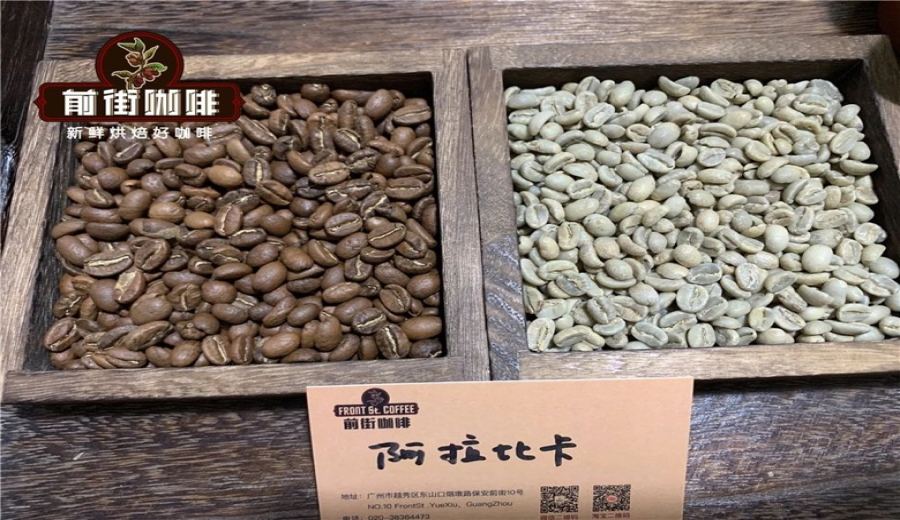
Introduction:Choosing the right coffee beans starts with understanding roast levels. This article delves into how the three main roast profiles—light, medium, and dark—affect the aroma profile, acid-sweet balance, and mouthfeel structure of coffee. It also combines practical pour-over experience to analyze performance differences under various brewing equipment and parameters. Whether you're a beginner or an advanced enthusiast, you'll find guidance on choosing beans that suit your drinking habits.
Roast level is one of the core factors influencing coffee flavor expression. From light to dark roasts, it not only changes the bean color but directly determines the type of aromas, strength of acidity, and intensity of mouthfeel. Light roasts usually retain more of the origin's floral and fruity characteristics and bright acidity, making them ideal for those who enjoy refreshing layers. Medium roasts strike a balance between acidity and sweetness, highlighting caramel-like sweetness and moderate body. Dark roasts amplify nutty, chocolatey, and smoky traits, resulting in a richer and fuller mouthfeel. These flavor directions are not absolutely good or bad—the key lies in whether they align with your brewing method and personal preferences.
Especially during pour-over, coffee performance is influenced by multiple variables. In addition to roast level, origin characteristics, bean variety genetics, green bean processing methods, as well as water temperature, grind size, and pouring rhythm all affect the final extraction result. Therefore, one should not judge a coffee’s flavor profile solely based on its name or roast color—actual cupping and repeated trials are essential to mastering the key elements.
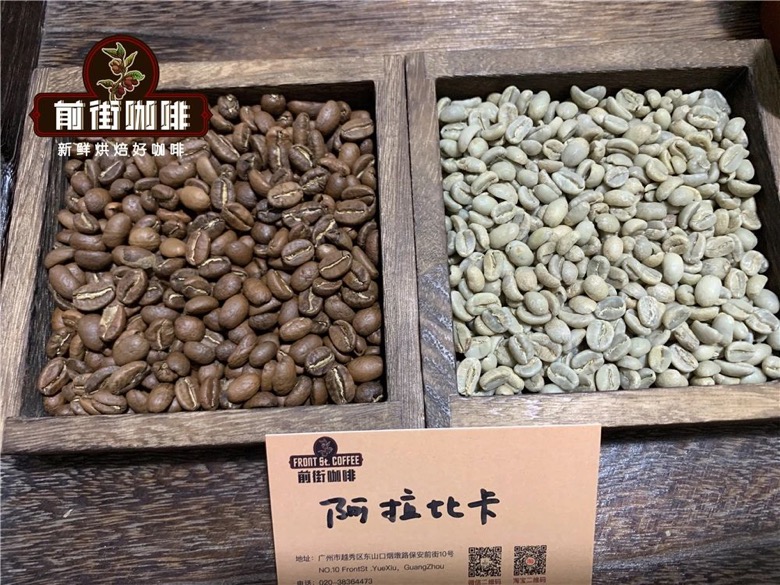
If you're looking for "coffee beans worth repurchasing," it’s recommended to evaluate from several practical aspects: your preferred flavor types (such as fruit acidity, sweetness, or body), the brewing equipment you use daily (like a pour-over kettle, French press, or AeroPress), temperature settings when drinking (hot, iced, or milk-based), as well as the frequency and amount consumed daily. Clarify these basic needs first, then further filter by roast level to more accurately find beans that match your taste. At the same time, by observing each brew’s performance and gradually adjusting detailed parameters, you can help each bean reach its optimal potential.
Take a few commonly available and consistently well-rated beans as examples: a Panamanian Emerald Estate Red Label Geisha from a certain brand falls within the typical light to medium roast range, showcasing distinct jasmine, bergamot, and citrus notes, with a soft black tea finish. The mouthfeel is clean and delicate, making it very suitable for drinkers who enjoy floral-fruity flavors and layered complexity. It’s recommended to use a slightly higher water temperature (around 90–92°C) with a medium grind for pour-over, and savor its lingering sweet aftertaste.
Another example, a Yirgacheffe Guddina from a certain brand, excels in citrus, berry, and fresh floral notes, paired with a green-tea-like finish, and is a light roast style. Pour-over brewing clearly highlights its bright acidity and fruitiness. If cold-brewed, the acidity becomes softer, making it suitable for summer drinking or consumers who prefer a refreshing taste. Brewing suggestions include using a medium-fine grind and water temperature of 88–90°C, controlling the pouring speed to extend extraction time, which helps balance the flavors.
As for an Ethiopian Huika from a certain brand, it presents intense tropical fruit aromas such as strawberry and passionfruit, with a distinct sweetness and rich layers. It suits various brewing methods including pour-over, iced pour-over, and cold brew. This bean, roasted between medium and medium-dark, retains both fruity notes and moderate body, making it a very approachable choice for those trying single-origin beans for the first time or seeking diverse flavors.
It’s important to note that the actual performance of coffee beans is also greatly affected by roast date and storage methods. It’s recommended to choose recently roasted products, and once opened, store them immediately in an airtight container in a cool, dry place, away from direct sunlight and moisture. Ideally, purchase according to your weekly or daily consumption to observe how the beans’ flavors evolve over time. Before each brew, first smell the dry fragrance, then evaluate the acid-sweet balance, sweetness sustainability, and finish after tasting. If the aroma is weak or the taste is flat, check whether the grind size is appropriate or if the beans have passed their peak freshness.
Additionally, the same bean may exhibit completely different characteristics under different brewing methods. For instance, hot drinks may showcase more pronounced acidic and aromatic qualities, while adding ice may highlight sweetness and body, and adding milk often amplifies chocolate and caramel tones. It’s recommended to record each brew’s parameter combinations, including water temperature, grind size, coffee-to-water ratio, and steeping time. Through several experiments, you can usually find the brewing method that best suits your taste.
For users with less brewing experience, it’s advisable to separate considerations of “preferred flavor” and “ease of operation.” Beans with prominent fruit characteristics often require more precise control over water temperature, grind size, and pouring techniques, and beginners might need a longer adjustment period. In contrast, blends with nutty and cocoa flavors typically offer a more forgiving extraction window, suitable for those seeking stable performance and daily convenience. If multiple family members share the coffee, consider selecting a balanced medium-roast bean as the everyday base to ensure consistent results, then gradually introduce single-origin beans of different styles based on personal preference. This approach helps with systematic comparison and experience, rather than frequently switching between multiple similar-flavored beans, thereby improving drinking satisfaction and learning progression.
In practical pour-over brewing, it’s recommended to first fix the coffee-to-water ratio (such as 1:15 or 1:16) and total water volume, using grind size as the primary adjustable variable. If the taste feels sharp or the acidity is overly prominent, it may be under-extracted—try slightly fine-tuning the grind or extending the pouring time. If the finish feels dry or astringent, it’s advisable to reduce agitation or shorten the contact time between coffee grounds and water. Adjusting only one parameter at a time helps clearly determine its impact on flavor.
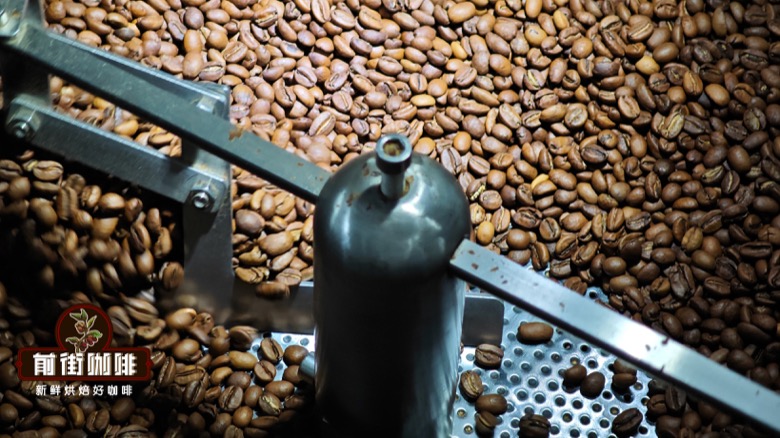
Finally, if your daily equipment, drinking scenarios, or flavor preferences change frequently, you might also consider setting up a dual configuration of a “staple bean” and an “exploration bean.” Choose a flavor-balanced, easy-to-brew bean as your everyday base to ensure consistent performance each time. Then pick a uniquely flavored bean for exploring differences in origins, processing methods, or roast levels. This way, you can satisfy daily needs while continuously discovering new coffee experiences. Compared to frequently rotating multiple similarly styled beans, this approach can more effectively enhance drinking satisfaction and your learning curve.
The above content is compiled by CoffeeHunters, a coffee news website.

