







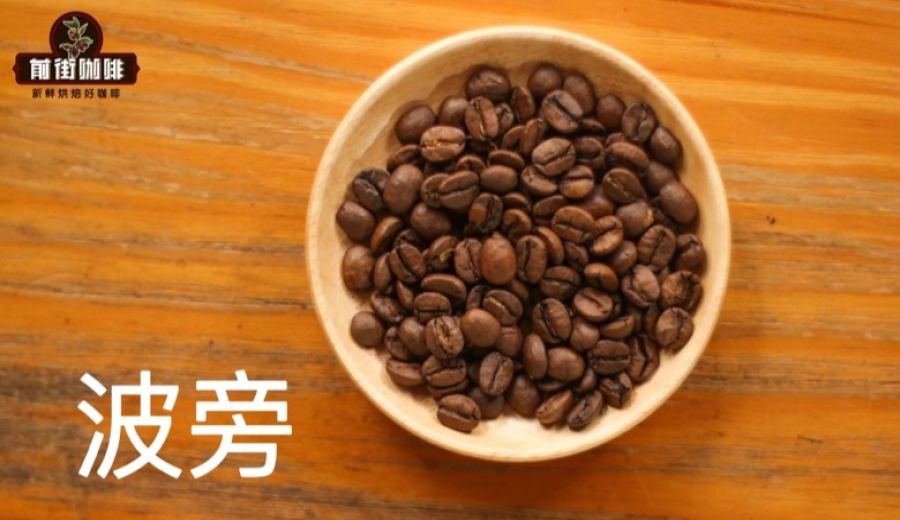
Introduction:Choosing the right coffee beans is not only about flavor preference but also closely related to daily consumption scenarios, brewing equipment, and methods. This article takes a practical approach to help readers select coffee beans that offer a balanced acidity and sweetness suited to their personal taste, based on different contexts—such as a morning pick-me-up, casual sipping, or using pour over and machine extraction methods. It also provides recommendations on roast level, processing method, and storage tips to ensure each cup performs at its best.
When purchasing coffee beans, it’s advisable to first consider your actual daily drinking scenarios: Are you looking for a black coffee to wake you up in the morning, or a milk coffee to pair with breakfast? Will you be using a pour over kettle for a slow, detailed tasting experience, or relying on a coffee machine for a quick brew? Different usage scenarios call for varying roast levels, flavor profiles, and brewing techniques.
Take pour over as an example—its flavor expression is influenced by multiple factors such as origin, variety, processing method, roast depth, and brewing parameters. Light roast beans often exhibit pronounced floral and fruity aromas, while medium roasts emphasize sweetness and a rich mouthfeel. Additionally, water temperature, grind size, and pouring rhythm can all alter the sequence and expression of aroma release. Therefore, one shouldn’t determine a bean’s flavor profile solely based on its name.
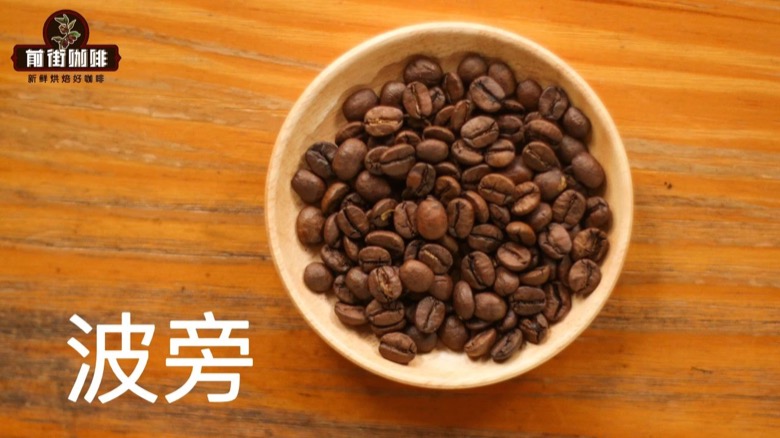
If you want to choose coffee beans with “balanced acidity and sweetness,” it’s recommended to approach it from several angles: your personal taste preferences, commonly used brewing equipment, desired serving temperature, and how often you drink coffee daily. Based on different usage scenarios, start by clarifying the conditions most important to you, then use other factors to refine your selection. This way, you can preserve your personal preferences while allowing the beans to showcase distinct characteristics during actual brewing.
For instance, a well-known coffee shop’s Colombian Gesha often presents fruit aromas such as passionfruit, blueberry, grape, and apricot, with a strong juice-like intensity. It’s ideal for showcasing its aroma layers through methods like iced pour over, cold drip, or single-origin extraction (SOE). Meanwhile, their Panamanian Emerald Estate Red Label Geisha offers aromas of jasmine, bergamot, citrus, and black tea, with a clean and delicate taste—perfect for a calm, slow sipping experience. As for their Ethiopian Yirgacheffe Guddina, it features citrus, berries, and floral notes, along with a green-tea-like aftertaste. When brewed as a light roast pour over, its aromas are clear, and its acidity becomes even softer when served as cold brew.In addition to flavor performance, the roast date and storage method of coffee beans greatly affect the final taste. It is recommended to keep the bag well-sealed after opening and store it in a cool, dry place, purchasing according to your daily consumption to help observe how the beans’ flavors evolve over time. Before brewing, you can first smell the dry aroma, then taste the flavor, sweetness, and aftertaste in the cup. If the aroma seems lacking, check whether the grind is too coarse or if the beans have been stored for too long. Also, the same beans may perform quite differently when served hot, over ice, or with milk. It’s a good idea to record several brewing parameters to gradually find the combination that suits you best.
When making a selection, you can also separate considerations between “preferred flavor types” and “acceptable brewing difficulty.” Typically, beans with pronounced floral and fruity notes require more precision in terms of water temperature, grind size, and pouring rhythm, whereas blends leaning toward nutty and cocoa flavors are better suited for those seeking stability and convenience in daily use. If multiple family members are drinking coffee, you might prioritize selecting a well-balanced bean as a base option, then add other single-origin beans with different flavor profiles based on individual preferences. This helps compare differences more intuitively.
During pour over, it’s suggested to first fix the coffee-to-water ratio and total brew water volume, using grind size as the main variable for adjustment. If the flavors hitting your palate are too sharp, it may indicate under-extraction; if a dry or astringent sensation appears toward the end, you might consider reducing stirring or shortening the contact time between coffee grounds and water. It’s best to adjust only one variable at a time, which helps more accurately identify the key factors influencing flavor.
If your daily equipment, drinking habits, or taste preferences change, you might also consider categorizing beans into “daily stable options” and “exploratory variety picks”: one for regular use to ensure consistent performance, and another to explore the surprises brought by different fruit floral notes, nutty profiles, or unique processing methods. By taking into account commonly used equipment, drinking methods, and personal flavor preferences, your bean selection will become more directed—and you’ll be more likely to find coffee beans that truly suit you than by searching based on just a single keyword.
The above content is compiled by CoffeeHunters, a coffee news website.

