







Introduction:Choosing the right heat source for your moka pot and the right coffee beans is the foundation of brewing delicious coffee in daily life. This article starts with the heating methods for moka pots, explains the importance of low-heat extraction, and provides guidance on using common heat sources such as open flame, induction cooktops, and halogen stoves. It also offers an easy-to-follow bean selection logic for beginners, covering flavor profile, roast characteristics, and storage details to help you find the beans that best suit your taste, improving both the consistency and enjoyment of each brew.
For those just starting to explore coffee, there’s no need to rush into trying too many different flavor profiles when selecting beans. A more practical approach is to choose a coffee with a clear flavor profile and good adaptability to brewing methods, while keeping the coffee dose, grind size, and water temperature consistent. From there, you can gradually experience differences in taste, sweetness, and aftertaste. This method helps you build a solid foundation for your own taste preferences step by step.
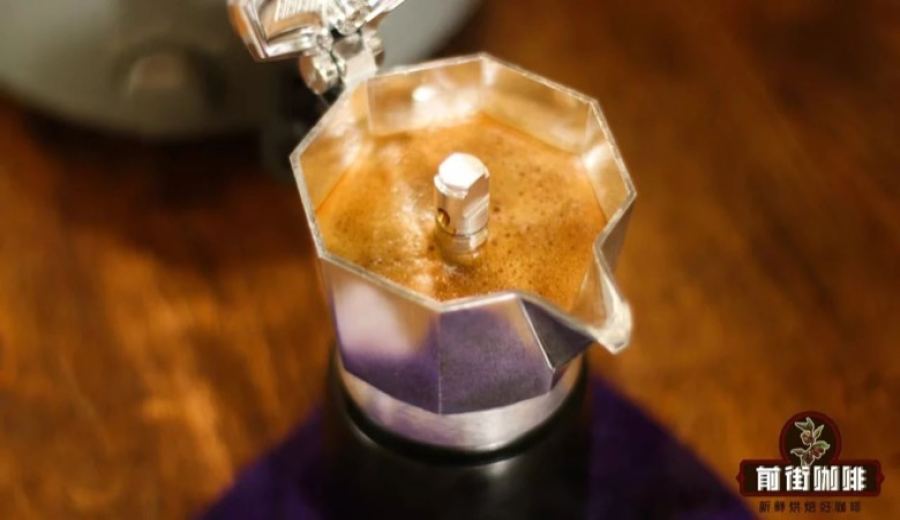
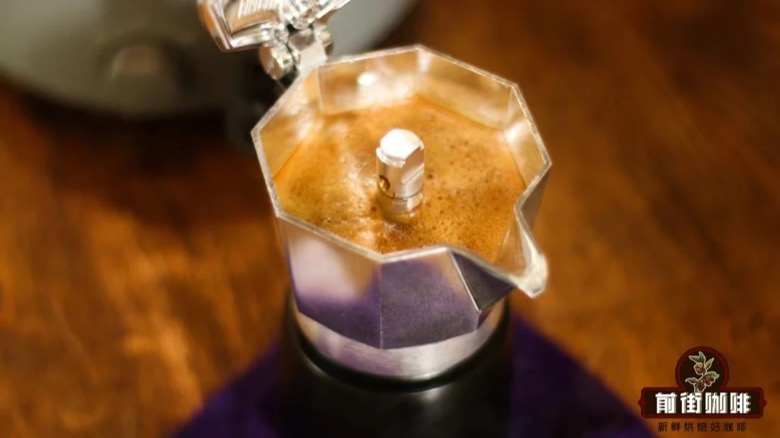
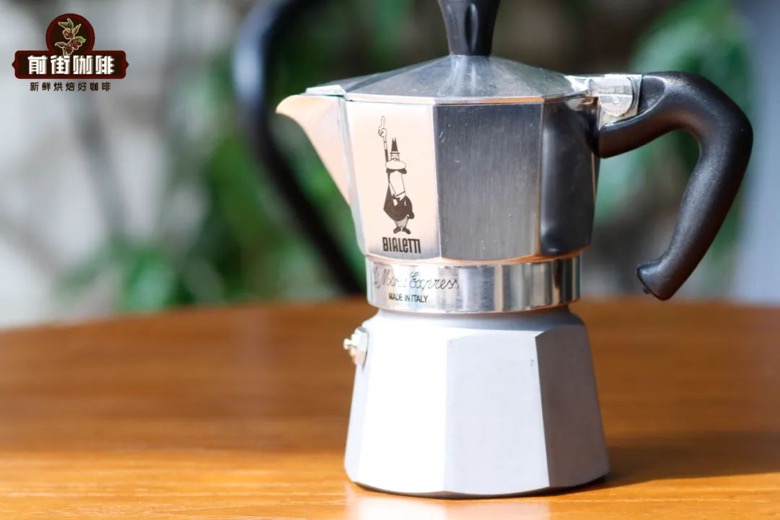
The moka pot is a brewing device that uses steam pressure for extraction. Unlike traditional espresso machines, it only requires you to evenly fill the coffee grounds into the filter basket—there’s no need for additional tamping. It’s recommended to set the grind size slightly coarser than that for espresso to avoid over-extraction. In terms of water volume, it’s best to follow the water level markings on the pot or keep the water level below the safety valve to ensure safe and stable extraction. When heating, it’s advised to use a low flame. Once you see the coffee liquid flowing continuously and its color gradually lightening, you should immediately turn off the heat. This helps prevent over-extraction and burnt, bitter flavors caused by high temperatures.
Regarding common questions like “What kind of heat should I use for my moka pot? Are open flame, induction stovetops, or halogen stoves suitable?” you can evaluate from several angles: including your preferred flavor direction, the heating appliances you use daily, your desired coffee temperature when drinking, and how often you brew each day. For beginners, it’s a good idea to first clarify which factors matter most to you, then filter your options based on other conditions. This not only preserves your personal taste preferences but also allows the coffee beans to display clearer characteristics and performance during actual brewing.
When choosing a coffee bean, it’s recommended to start with the flavor profile. For example, some blends emphasize notes of nuts, cocoa, and caramel, offering good richness and body, making them suitable for high-pressure brewing tools like moka pots or espresso machines, as well as for milk-based coffee. Some blends highlight dark chocolate and deep-roasted nut flavors with low acidity and a thick, lingering aftertaste, ideal for espresso, Americano, or milk coffee. Additionally, there are beans with relatively fresh, soft, clean flavors and rounded sweetness, similar to coffees from the Blue Mountain region, perfect for those who prefer low acidity and balanced taste.
Besides flavor, the roast date and storage method of the beans also directly affect the brewing results. It’s recommended to purchase beans that have been recently roasted and come in packaging suitable for daily consumption, and to seal them properly after opening. Store them in a cool, dry place away from direct sunlight and moisture. Before each brew, you can first smell the dry fragrance of the coffee grounds, then taste the flavor, sweetness, and aftertaste of the brewed coffee. If the aroma is not prominent, it could be due to too coarse a grind, insufficient water temperature, or the beans being stored for too long. Moreover, the same beans may show very different flavor profiles when served hot, iced, or with milk. It’s a good idea to record the parameters and your impressions each time, as this will help you more accurately find the flavor combination that suits you.
In practical operation, you can also separate the consideration of “favorite flavor types” and “acceptable brewing difficulty.” Generally speaking, beans with distinct floral and fruity notes often require more precise control over water temperature, grind size, and pouring rhythm, which can be more challenging for daily use. On the other hand, blends with nutty and cocoa flavors are better suited for situations where stability and ease of brewing are prioritized. If multiple people in your household have different taste preferences, you might start with a well-balanced coffee as your base option, then gradually try other single-origin or differently processed beans according to individual preferences. This approach allows for clearer comparisons compared to buying several beans with similar flavor profiles at once.
In terms of specific brewing parameters, it’s recommended to initially set the coffee-to-water ratio based on the moka pot’s capacity. After filling the filter basket with coffee grounds, simply level the surface gently. If you find the brewed coffee tastes overly bitter or harsh, prioritize reducing the heat, turning it off earlier, or adjusting the grind size to be slightly coarser. Conversely, if the flavor is too light, check whether the coffee dose is sufficient and whether the pot’s sealing ring is functioning properly. These small details can all affect the final extraction result and flavor expression.
If your usual equipment, drinking habits, or taste preferences change, you might also consider dividing your beans into two categories: “daily stable options” and “exploratory options.” One type ensures you get a consistent and smooth coffee experience every time, while the other lets you explore different flavor profiles—such as floral and fruity notes, nutty tones, or unique characteristics brought by special processing methods. Once you’re familiar with the flavor traits of one, you can switch to another with a different roast level or processing method. This allows you to gain more coffee enjoyment and knowledge through comparison.
The above content is compiled by CoffeeHunters, a coffee news website.

