








Introduction:Do you often encounter issues like burnt bottoms, overly bitter flavors, or inconsistent extraction when using a moka pot? This article delves into how to avoid scorching the bottom by exploring grind size, heat control, and bean selection. It also recommends suitable roast levels and flavor profiles for different scenarios to help you brew balanced and aromatic coffee the right way.
The first step to brewing a great cup of coffee actually starts with your daily drinking habits. Do you prefer a simple black coffee in the morning for a pick-me-up, or do you usually pair it with breakfast as a milk coffee? Do you want to slowly enjoy the ritual of pour over, or do you prefer a quick extraction so you can enjoy it right away? Different usage scenarios will directly affect the roast level, flavor profile, and brewing method you should choose for your coffee beans.
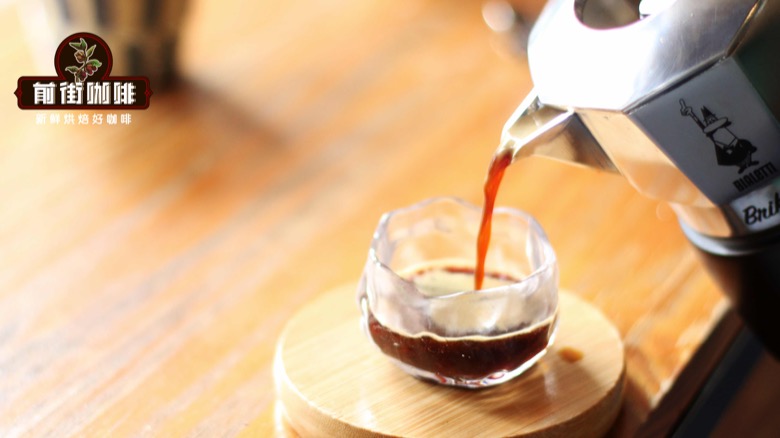
Take the moka pot as an example—it is a brewing device that uses steam pressure, and is much simpler to operate than a professional espresso machine. Simply fill the coffee powder evenly into the filter basket without needing to tamp it down additionally. It’s recommended to use a grind size slightly coarser than espresso, roughly between fine sugar and white sugar. Water volume should be controlled according to the scale markings on the pot, or based on the level below the safety valve. Keep the amount of coffee powder consistent each time. When heating, use a small flame, and once you see the coffee continuously flowing out and the color gradually lightening, you should immediately turn off the heat. This effectively prevents bitterness and burnt flavors caused by overheating.

Regarding the common question “How to solve the burnt residue or scorching at the bottom after brewing with a moka pot?”, it’s suggested to break it down from several aspects: What flavor profile do you care about most? What are the main brewing tools you usually use? Do you prefer hot drinks or cold drinks? How often do you drink coffee daily? Based on these conditions, selecting suitable beans and extraction parameters not only preserves your personal taste preferences but also allows each type of bean to showcase its most distinctive characteristics.
For example, a classic blend with distinct notes of nuts, cocoa, and caramel offers excellent body and richness, making it suitable for use with espresso machines, moka pots, or even for everyday milk coffee. A dark cocoa blend, on the other hand, features dominant flavors of dark chocolate, roasted nuts, and a full-bodied sweetness with low acidity, ideal for those who enjoy espresso, Americano, or milk coffee. If you prefer a clean and balanced taste, a Papua New Guinea Bird of Paradise is a good choice, offering a smooth and rounded flavor with gentle sweetness, resembling the texture of Blue Mountain.
In addition to flavor types, the roast date and storage method of coffee beans are also extremely crucial. It’s recommended to buy small packages, and once opened, store them sealed in a cool, dry place, and try to finish them within 1-2 weeks to get the best flavor. Before each brew, you can first smell the dry aroma, then taste the sweetness and aftertaste. If you find the aroma lacking, it may be due to too coarse a grind, too high heat, or the beans being stored for too long. Moreover, the same beans may perform very differently when made into hot drinks, iced drinks, or with milk—so it’s recommended to record several sets of parameters to find the combination that suits you best.
If you want to balance stability and variety, it’s suggested to separate your considerations into “favorite flavors” and “acceptable brewing difficulty.” Beans with prominent fruity or floral notes usually require more precise control over water temperature, grind size, and pouring rhythm, making them suitable for advanced users. In contrast, blends with nutty or cocoa flavors are more stable and easier to handle, ideal for everyday use. If multiple family members are drinking coffee at home, it’s recommended to first select one well-balanced bean as a base option, then explore different single origins based on personal preferences. This makes it easier to compare differences compared to buying multiple beans of similar styles all at once.
As for the coffee-to-water ratio, it’s recommended to first adjust according to the pot’s capacity, filling the coffee layer just enough to be leveled off. If the coffee turns out too bitter, prioritize lowering the heat, turning it off earlier, or using a slightly coarser grind; if the flavor is too light, check whether the coffee amount is sufficient and whether the pot’s sealing ring is functioning properly.
Finally, if your usual brewing tools, drinking habits, or flavor preferences change from time to time, consider dividing your beans into two categories: “daily stable options” and “exploration options.” The former ensures a consistent and smooth base flavor, while the latter allows you to experience the surprises brought by different fruit, nut, or special processing methods. Considering your commonly used tools, drinking style, and preferred flavors when choosing coffee beans will make the decision clearer and more directed than focusing on a single keyword.
The above content is compiled by CoffeeHunters, a coffee news website.

