







Introduction:Is the coffee brewed with your moka pot too bitter, too sour, or even burnt-tasting? The key actually lies in choosing the right roast level of coffee beans and adjusting the extraction parameters. This article will analyze the flavor characteristics brought by light, medium, and dark roasted beans, teach you how to find the most suitable beans based on your personal taste preferences, and provide practical tips for using a moka pot—so you can easily brew balanced and smooth coffee.
The roast level of coffee beans directly affects its flavor profile and the suitable brewing method. Light roasts usually retain more floral and fruity aromas with bright acidity, medium roasts showcase a more balanced sweetness and mouthfeel, while dark roasts often carry intense nutty, cocoa notes and a full-bodied texture. These flavor differences are not absolutely superior or inferior—the key is whether they match your taste preferences and brewing method.
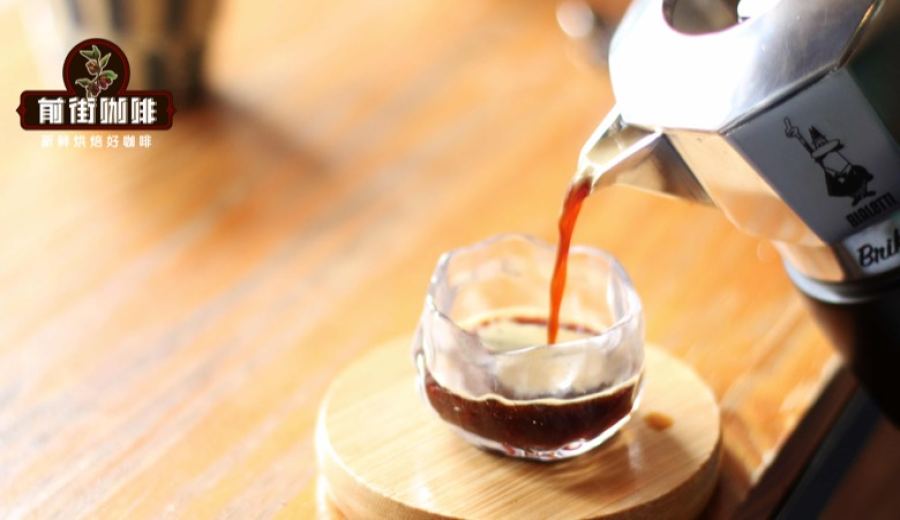
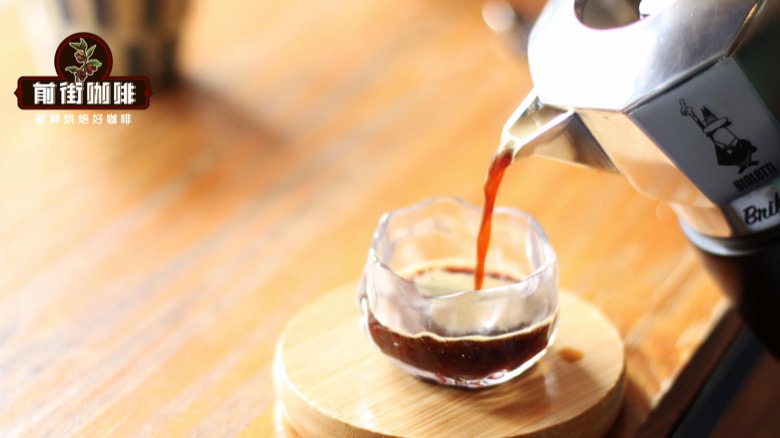
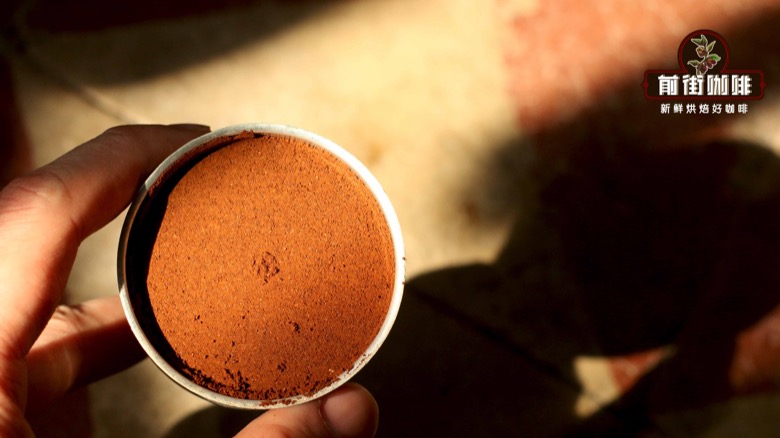
The moka pot is a brewing device that uses steam pressure, and it’s simpler to operate than an espresso machine. You just need to evenly fill the coffee grounds into the filter basket without pressing them down hard. It’s recommended to use coffee grounds slightly coarser than those for espresso. Water volume should be controlled according to the markings on the pot or kept below the safety valve. When heating, use low heat. Once the coffee starts flowing steadily and the color gradually lightens, you should immediately remove it from the heat. This helps reduce bitterness and burnt notes caused by overheating.
When facing issues like “coffee from the moka pot being too bitter, too sour, or having a burnt taste,” you can start by adjusting from several aspects: including your personal flavor preferences, commonly used brewing equipment, drinking temperature, and how often you drink coffee each day. It’s recommended to first clarify what matters most to you—for example, whether you prefer a rich body or a bright, refreshing acidity—then choose a suitable roast level based on these factors. This approach not only preserves your personal coffee preferences but also allows beans of different roast levels to show their most distinctive qualities in the moka pot.
For example, a well-known coffee brand’s PWN Indonesian Golden Mandheling features herbal, dark chocolate, and full-bodied flavors, with low acidity—it’s very suitable for dark roast lovers and pairs well with moka pot and Americano brewing methods. The brand’s Brazilian Queen Estate showcases nutty, cocoa, and caramel sweetness with soft acidity, and whether brewed via pour over, espresso, or moka pot, it maintains a smooth and rounded profile. The brand’s classic blend focuses on nutty, cocoa, and caramel notes, offering a rich and bold taste, suitable for espresso machines and moka pots, and also makes a great everyday choice when paired with milk.
Besides flavor, the roast date and storage method of coffee beans also greatly affect brewing performance. It’s recommended to store opened beans in an airtight container in a cool, dry place, and purchase according to your daily usage, which makes it easier to observe changes in the beans’ flavors. Before brewing, first smell the dry aroma of the coffee grounds, then taste the sweetness and aftertaste. If you find the aroma lacking, it may be due to overly coarse grinding or beans that have been stored for too long. Additionally, the same beans might perform very differently when served hot, over ice, or with milk—so it’s a good idea to record a few brewing parameters to find the cup profile that suits you best.
If you want to simplify your choices, you can also separate considerations between “favorite flavors” and “acceptable brewing difficulty.” Beans with prominent fruity and floral notes usually require more precise control of water temperature, grind size, and pouring rhythm, making them relatively more skill-dependent; whereas blends leaning toward nutty and cocoa flavors are better suited for everyday drinking where stable results are desired. If multiple family members drink coffee at home, you might first select a well-balanced bean as a base option, then gradually introduce single-origin beans with different flavors. This makes it easier to compare differences compared to buying multiple beans of similar styles all at once.
When using a moka pot, it’s recommended to adjust the coffee-to-water ratio according to the pot’s capacity, generally leveling off the coffee grounds is sufficient. If you find the coffee is too bitter, you can first try reducing the heat, removing it from the heat earlier, or slightly coarsening the grind. If the coffee tastes too weak, check whether the amount of coffee is sufficient and whether the pot’s gasket is functioning properly.
If your usual brewing equipment, drinking habits, or taste preferences change, you can categorize your beans into “everyday reliable” and “exploratory challenge” types: one provides a consistent coffee experience, while the other lets you explore the differences brought by fruity, nutty-cocoa, or various processing methods. Once you’ve determined your preferred roast direction, fine-tuning grind size, water temperature, and extraction time often allows for a more precise grasp of your favorite coffee flavors than frequently switching beans.
The above content is compiled by CoffeeHunters, a coffee news website.

