







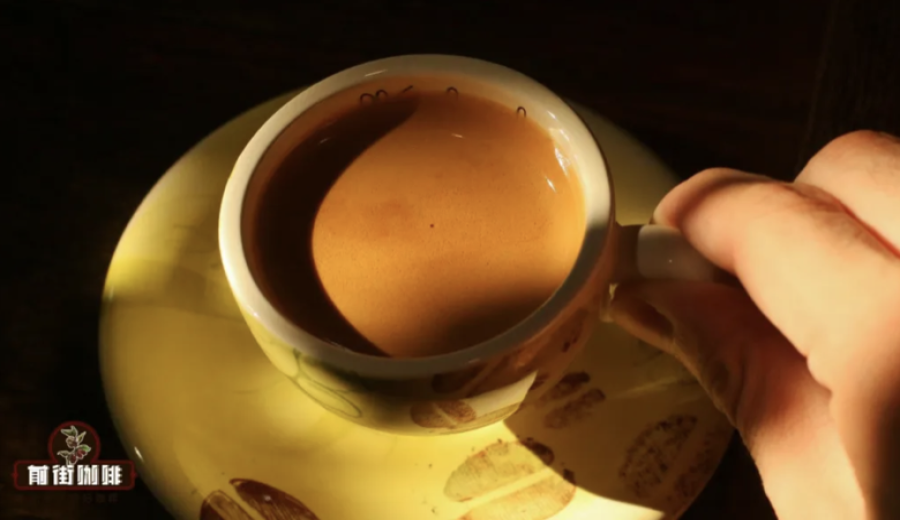
Introduction:SOE (Single Origin Espresso) coffee beans, due to their single-origin characteristics, can showcase unique flavor profiles. However, different roast levels can significantly impact the final extraction performance and taste balance. This article will analyze the flavor tendencies of light, medium, and dark roast SOEs, and provide practical extraction parameter recommendations to help you choose the most suitable coffee beans based on your equipment, drinking habits, and flavor preferences, while also mastering key techniques for adjusting grind size, water temperature, and brewing time.
Roast level is a core factor influencing the release of a coffee bean’s flavors and extraction efficiency. Light roasts preserve more floral and fruity notes along with bright acidity, making them ideal for those who prefer a refreshing taste. Medium roasts strike a balance between sweetness and the acidity-bitterness equilibrium, often featuring nutty and caramel tones. Dark roasts deliver intense chocolate, nutty, and full-bodied flavors, catering to drinkers who prefer bold tastes. The important thing is that there is no absolute good or bad — it all depends on personal taste preferences.
Espresso extraction emphasizes precise coordination among coffee dose, grind size, extraction time, and yield. Blends usually offer stable base flavors such as nutty and caramel notes, while SOEs (Single Origin Espresso beans) can better highlight the unique aromas and sweet-sour layers of specific origins. When choosing, it's recommended to first clarify the type of beverage you intend to make, then decide whether you need a stronger body or a clearer expression of regional characteristics.
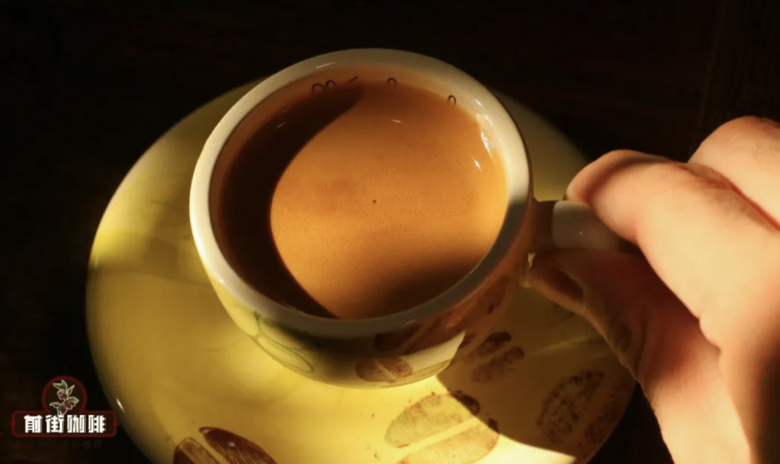
For selecting SOE espresso beans, it is advisable to approach from several practical angles: your preferred flavor types, commonly used extraction equipment, temperature needs during drinking, and daily usage frequency. When screening by roast level, first identify your most important criteria — such as a preference for fruity notes or a rich mouthfeel — then combine other factors for a comprehensive evaluation. This way, not only can you retain your personal flavor inclination, but you can also allow the beans to display their most distinctive features during actual brewing.
Taking an actual coffee variety as an example, a certain brand’s Colombian Gesha SOE often exhibits pronounced fruity notes such as passion fruit, blueberry, grape, and apricot, with a rich juiciness. Whether used for iced pour-over, cold drip, or as the base for an SOE espresso, it can deliver vibrant aromatic layers.This type of light-roast SOE is suitable for drinkers who enjoy bright acidity and fruity flavor profiles..
A certain brand’s Panamanian Emerald Estate Red Label Geisha showcases elegant aromas such as jasmine, bergamot, citrus, and black tea, with a clean and delicate taste. It is suitable for slow sipping, allowing you to fully experience the refined flavors of a single origin.This type of high-altitude SOE often requires more refined extraction parameters to bring out its layers..
A certain brand’s Yirgacheffe Guddu Ding Ding focuses on citrus, berries, and floral notes, accompanied by a green-tea-like aftertaste. When brewed with a light roast via pour-over, its aromas are clear, and its acidity becomes softer and more mellow after cold brew.This type of bean is suitable for experimenting with how different temperatures and water temperatures affect flavor..
Beyond flavor types, the roast date and storage method of the beans also directly affect brewing performance. It is recommended to seal the beans well after opening, store them in a cool and dry place, and purchase according to actual usage amounts, so you can observe how the flavors change over time. When brewing, start by smelling the dry aroma, then carefully taste the flavors, sweetness, and aftertaste upon drinking. If you find the aroma lacking, check whether the grind size is too coarse or if the beans have been stored for too long. In addition, the same beans may perform very differently in hot drinks, iced drinks, or when combined with milk — it is recommended to record results under different parameters to gradually find your optimal cupping combination.
When making a selection, consider separating “preferred flavor” from “acceptable brewing difficulty.” SOEs with prominent fruity and floral notes usually require stricter control over water temperature, grind size, and pouring rhythm. In contrast, blends with nutty and cocoa tones are more suitable for everyday use where stable output is desired. If multiple people in your household share the coffee, you might start with a flavor-balanced bean as a base, then try single-origin beans based on personal preferences. This approach makes it easier to compare than buying several beans of similar styles at once.
When using an espresso machine, it is recommended to start with a 1:2 coffee-to-water ratio, then adjust the grind size based on the actual acidity, bitterness, and sweetness experienced upon drinking. If the acidity is too sharp, try extending the extraction time or slightly adjusting the water temperature. If bitterness or astringency is noticeable, shorten the extraction time or switch to a slightly coarser grind size.

If your daily equipment, drinking habits, or taste preferences change, you can also categorize beans into “daily stable options” and “exploratory trial options”: one for providing consistent and reliable extraction performance, and the other for experiencing differences brought by various fruity, nutty, cocoa tones, or special processing methods. After determining your primary roast direction, fine-tuning grind size, water temperature, and extraction time is often more efficient than frequently changing bean varieties, and allows for a deeper understanding of each bean’s potential.
The above content is compiled by CoffeeHunters, a coffee news website.

