Introduction:Have you noticed that the same coffee bean can sometimes offer vibrant fruity notes and bright acidity, while other batches may taste rather dull? The key difference often lies in the harvest season and freshness. This article delves into the harvesting periods of major African coffee regions, explains how fruity flavors evolve over time, and provides practical tips on bean selection and storage—so you can enjoy the best flavor profile with every brew.
Just like fruits have their peak seasons, the flavor of coffee beans is closely tied to when they’re harvested. Even beans from the same origin can show vastly different levels of fruity aroma depending on whether they’re freshly processed or have been stored for more than half a year. If you especially love a vibrant, fruity pour over coffee with lively acidity, then aside from checking the roast date, understanding the harvest season of the beans is crucial. In fact, fruity flavors are among the most prone to degradation over time, which makes freshness an even more significant factor.
Take the major coffee-growing regions in Africa, for example—each has its own unique harvest rhythm. Ethiopia typically conducts its main harvest between November and January each year, and after processing and shipping, you can usually enjoy that season’s fresh beans around mid-year. Kenya, on the other hand, has two main harvests: the main season runs from October to December, and the minor season falls between April and June. Keeping track of these timeframes helps you purchase freshly harvested beans at the right time, enhancing your tasting experience.
Freshly harvested coffee beans boast vibrant fruity aromas with well-preserved aromatic compounds. They exude a refreshing, juicy fruit scent, with bright and layered acidity—even when brewed as drip coffee, the fruity notes remain distinctly lively. For instance, certain fresh lots of Ethiopian Yirgacheffe display particularly pronounced citrus tones and floral characteristics, and even as the coffee cools slightly, the acidity remains smooth rather than sharp. Especially the floral notes tend to be most striking when the beans are fresh; if you wait two months to drink them, the overall flavor may shift to a more reserved and mellow profile.
In contrast, coffee beans stored for several months often see their aroma gradually fade. Typically, floral notes disappear first, followed by the fruitiness shifting toward a dull, woody or cardboard-like tone. This is especially noticeable when brewing drip coffee—the dilution effect of water makes the already subdued aroma of aged beans even weaker, leaving only faint acidity and a thin sweetness that fails to deliver a vivid flavor profile.
It’s worth noting that naturally processed (sun-dried) coffee beans are even more sensitive to freshness. These beans rely on fermentation with the fruit mucilage to develop aromatic compounds, but these volatile substances can easily dissipate over time. Some well-known naturals, for instance, can showcase intense tropical fruit and floral notes when fresh, yet the rate of flavor loss tends to be more pronounced compared to washed beans once they’ve been stored for too long. Therefore, when buying naturals, it’s essential to pay attention to the roast date and ideally enjoy them as soon as possible after receiving to capture their optimal flavor window. We recommend inquiring about the delivery timeline before placing an order, and brewing a cup as soon as you open the bag to record the flavor profile for future comparison.
If you prefer a more stable expression of fruit acidity, Kenyan beans could be a more accessible choice. Their berry-toned acidity remains relatively firm even some time after the harvest season, still retaining a good juiciness and vibrancy. They’re less demanding in terms of seasonality compared to Ethiopian beans, making them ideal as everyday drinking beans. However, if you’re after the most vivid seasonal flavors and explosive fruitiness, freshly harvested Ethiopian beans are undoubtedly the top pick.
The most direct way to assess the freshness of coffee beans is through smell. Fresh beans emit a clear, sweet fruity aroma in their dry state, and the fragrance bursts forth even more intensely after grinding. In contrast, beans that have been stored for too long often have a bland dry scent, or may even carry a slightly stuffy note. We recommend making it a habit to smell the beans every time you open a new bag. Through this sensory practice, you’ll gradually sharpen your sensitivity to freshness and become better equipped to select coffee beans in the future. This skill can also help you observe a roaster’s inventory turnover, further increasing your chances of getting freshly harvested beans.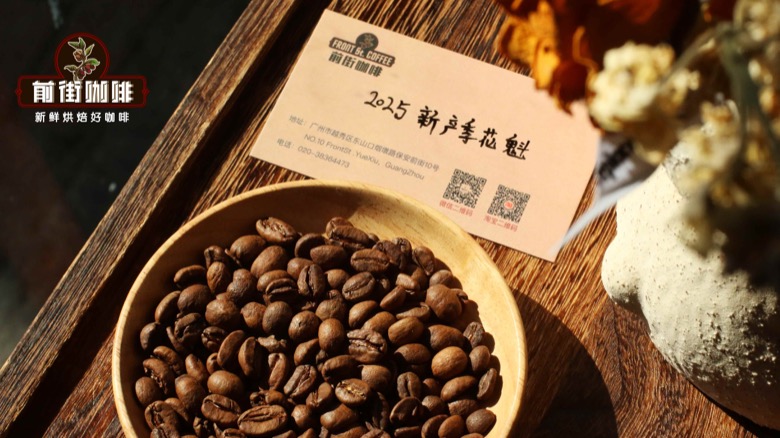
The above content is compiled by CoffeeHunters, a coffee news website.