







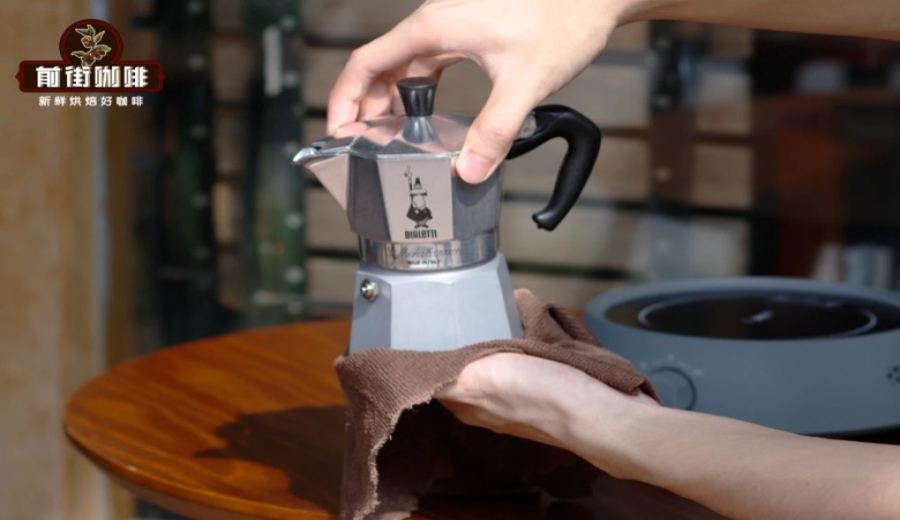
Introduction:Have you ever noticed that the same coffee beans can produce vastly different flavors when brewed with a moka pot versus an espresso machine? In reality, it’s not the beans that have changed, but the result of differences in brewing equipment. Understanding the impact of pressure, grind size, and extraction methods can help you choose the right tool based on the characteristics of the beans—whether you're aiming for specialty beans with bright acidity and layered flavors, or everyday beans with a rich, full-bodied taste, each can perform at its best.
Many coffee enthusiasts have both a moka pot and a semi-automatic espresso machine at home, but have you noticed how the same coffee beans can yield dramatically different flavors between these two devices? The portafilter used in an espresso machine might extract bright acidity and sweetness with rich layers, while the same beans in a moka pot's coffee chamber can reveal a mellow, rounded richness. This difference often leads to confusion, even making one wonder if the beans were switched. But actually, understanding the reason behind this can help you make smarter choices when selecting coffee beans: which beans are best suited to showcase delicate flavors with an espresso machine, and which should be entrusted to a moka pot to bring out a more enchanting richness.
The core difference between the two devices lies in extraction pressure. Espresso machines can generate pressure of nine bars or more, and this high pressure effectively extracts flavor compounds from coffee oils and fine particles, resulting in a brew with a thick body and clear, distinct layers of acidity and sweetness. In contrast, a moka pot operates at around 1.5 bars of pressure, considered low-pressure extraction. While it can still deliver a concentrated feel, the overall flavor profile is softer and less sharp than that of an espresso machine. For example, beans like Yirgacheffe, known for their bright floral notes and fruity acidity, can present clear citrus tones and a tea-like mouthfeel when brewed with an espresso machine, but in a moka pot, the acidity becomes noticeably milder, transforming into gentler dried fruit sweetness.
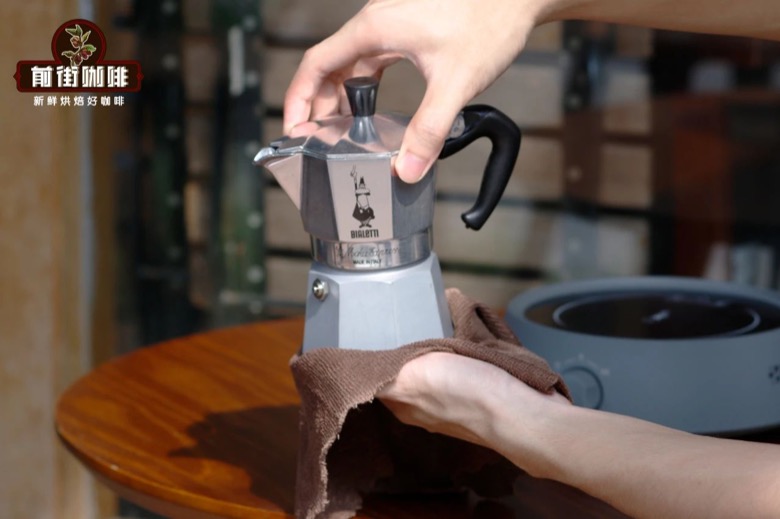
For this reason, bean selection strategies also diverge. If you’re pursuing complex flavor layers and a clear contrast between acidity and sweetness, then an espresso machine is undoubtedly the better choice. The moka pot, on the other hand, excels at amplifying the inherent richness, sweetness, and cocoa-like characteristics of the beans. Those beans labeled with tasting notes like nuts, brown sugar, or chocolate on cupping sheets often perform more pleasingly in a moka pot. Take Colombian Huila, for instance—it’s a bright, juicy, well-balanced espresso on an espresso machine, but in a moka pot, it transforms into a cocoa beverage with sweet red fruit notes. Each brewing method has its strengths, showcasing completely different charms.
Interestingly, some beans even perform more consistently in a moka pot than in an espresso machine. Lightly roasted beans are usually very sensitive to changes in pressure. On an espresso machine, even a slight adjustment of just one and a half minutes in extraction time can significantly alter the final flavor. The moka pot, with its lower pressure and more manageable heat control, offers greater tolerance for extraction errors, typically resulting in more consistent output. For example, Yunnan beans often reliably deliver notes of brown sugar sweetness and grainy aromas in a moka pot, almost always presenting a similar flavor profile with each brew—a delightful surprise.
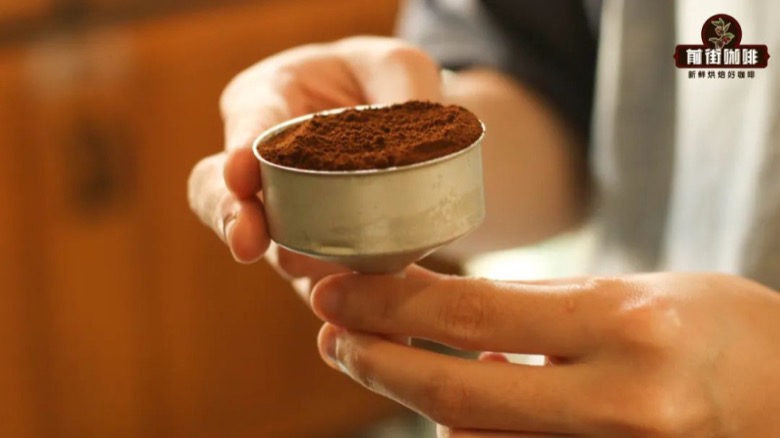
Beyond pressure and bean pairing, the two devices also have very different requirements for grind size. Espresso machines require a fine grind, along with even distribution and proper tamping, to ensure stable extraction under high pressure. The moka pot, on the other hand, suggests using a grind slightly coarser than that for espresso machines. When filling the basket, just lightly level the coffee bed without pressing or tapping it down. This detail is often overlooked but is one of the common causes of extraction failure. If you use both devices at home, remember to adjust your grind size according to the equipment—it’s a necessary prerequisite for a fair comparison.
In practice, it’s recommended to conduct a simple side-by-side test: select the same coffee beans, brew a cup each with an espresso machine and a moka pot, and then compare them side by side. Through this direct comparison, you’ll quickly grasp how your equipment matches with different beans. Over time, you’ll naturally develop a clear “map” in your mind when buying coffee beans—knowing which beans are ideal for showcasing detailed acidity and layers with an espresso machine, and which are better suited for the moka pot to enjoy a rich, smooth everyday flavor, allowing each bean to reach its fullest potential.
The fate of a coffee bean does not lie in the bean itself, but in how you choose to extract it. Let the moka pot focus on what it does best—richness and sweetness—and let the espresso machine pursue what it aims for—layers and clarity. Every coffee bean in your home can be used just right, unlocking its most captivating flavor potential.
The above content is compiled by CoffeeHunters, a coffee news website.

