








Introduction:When calculating costs for opening a coffee shop, don’t just focus on the quoted price per kilogram of beans — the risk of supply disruption is a hidden cost that matters more than you think. This article takes an in-depth look at the core logic behind sourcing commercial coffee beans: aligning delivery cycles with sales volume, mastering roast freshness, selecting backup beans, and mastering supplier communication skills. These insights will help you build a stable and flavorful bean supply chain, ensuring smoother operations behind the bar.
Many new coffee shop owners, when calculating bean costs, tend to focus solely on the price per kilogram, while overlooking the operational crises that can arise from supply shortages. Imagine this: it’s Sunday afternoon, your grinder runs out of beans, and your warehouse is empty. What do you do during the morning rush the next day? Choosing commercial beans is actually half about flavor and half about supply stability. Flavor can be selected through cupping, but supply stability requires careful planning to ensure — only by balancing both can your bar operate without a hitch.
First, your procurement cycle must align with your sales volume. For example, a shop that goes through two kilograms of coffee beans per day operates very differently from one that uses only half a kilogram daily. The former is better suited to a monthly ordering strategy, keeping about a week’s worth of safety stock in the warehouse, while the latter can purchase smaller batches based on demand — but must pay special attention to the supplier’s shipping speed. Suppliers with stable roasting production lines often arrange shipments according to roast dates, making delivery rhythms relatively predictable and giving you more confidence in planning.
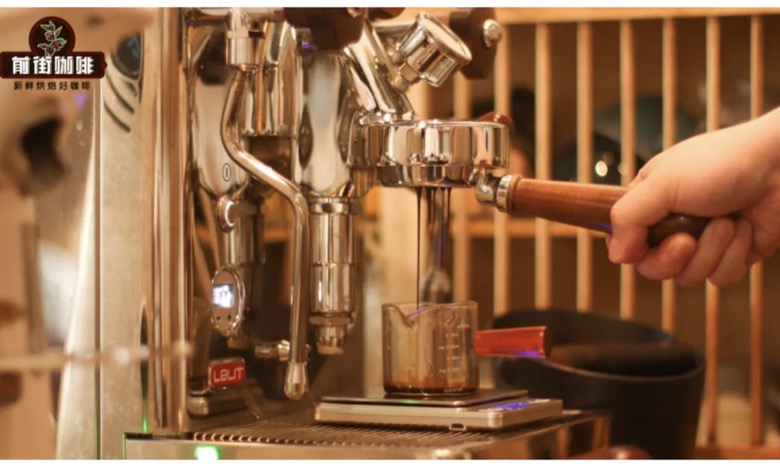
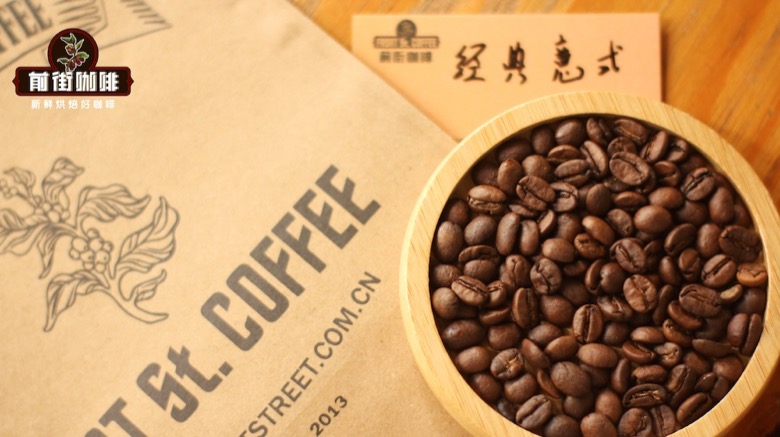
The roast date is the key starting point for determining coffee bean freshness. Upon receiving beans, the first thing you should check is the roast date on the packaging, not just the expiration date. Based on your shop’s consumption rate, it’s recommended to control each order quantity to what can be used within three to four weeks. This helps avoid both excess inventory and shortages during peak usage periods. Moreover, the closer the roast date is to the current date, the more time you’ll have for proper resting after arrival, and the more flexibility you’ll have in scheduling.
Many experienced shop owners adopt a practical strategy: keeping a backup bean on hand. When your main bean supply is temporarily unavailable, the backup should seamlessly fill in, with a flavor profile similar enough that customers barely notice the switch. For example, a classic blend and a specialty blend make an ideal pair — the former serves as the everyday base bean, while the latter can step in when sales spike or during events. You can alternate orders of these two, ensuring your warehouse always has immediately usable coffee beans.
Establishing good communication rhythm with your supplier is equally crucial. Before peak seasons arrive, it’s best to contact your supplier two weeks in advance to proactively avoid logistics congestion issues; if facing tight roasting schedules, you’ll also have a more accurate grasp of arrival times. Treat your supplier as part of your store’s operational process, not just as an order platform. A stable partnership often ensures more reliable supply than short-term discount strategies — especially valuable during busy seasons.
In addition, storage conditions directly affect the quality and loss of beans after delivery. For unopened bags of coffee beans, simply keep them away from light and store at room temperature. But once opened, it’s recommended to transfer the beans into sealed containers and portion them according to daily usage, avoiding repeated opening and closing of large bags at the bar which can lead to moisture exposure. With good turnover planning, the utilization rate of each kilogram of coffee beans will naturally improve — and in the long run, your per-cup cost may even be lower than constantly scrambling for cheap beans. When turnover is smooth, every bag in your warehouse can be used within its prime drinking window, reducing waste.
In summary, a mature commercial coffee bean procurement strategy takes both flavor performance and the cost-effectiveness of logistics supply into account. For example, beans like Brazil Cerrado, which have stable seasonal supply and less market fluctuation, are excellent choices as long-term main beans. When you calculate all these factors clearly, your bar can ensure it always has access to beans of stable quality for grinding, maintaining smooth operations and exceptional flavors.
The above content is compiled by CoffeeHunters, a coffee news website.

