








Introduction:Award-winning estate beans from the Panama BOP competition are always highly sought after by coffee enthusiasts. These top-tier beans possess unique terroir and exquisite processing methods, but how can you fully appreciate their richly layered flavors through proper brewing and tasting techniques? This article will guide you step-by-step in analyzing the key skills for tasting championship beans—from aroma to sipping to temperature changes—and share practical pour-over parameter suggestions to help you discover new depths with every brew.
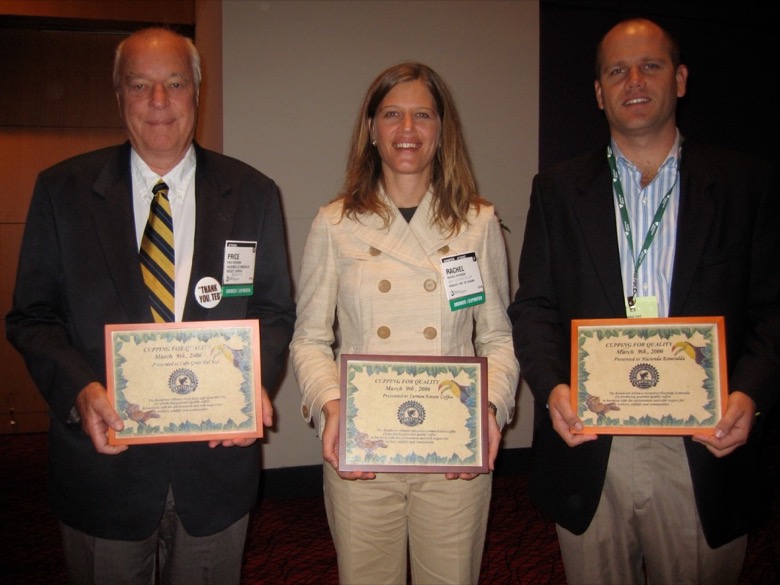
In the specialty coffee world, Panama’s BOP (Best of Panama) green bean competition has long been an important industry benchmark. Each year after the results are announced, the coffees from the shortlisted and winning estates become the focus of the market. These beans, sourced from renowned farms, are precious not only because they come from exceptional microclimates and altitude conditions, but also because they undergo rigorous post-harvest processing that fully highlights their terroir characteristics. However, to truly savor the essence of these beans, there is a set of methods worth learning in depth—from selection and brewing to tasting.
The first step in tasting estate beans is to build a sensory impression starting with “aroma.” Taking the common competition-grade Geisha variety as an example, when you bring freshly ground coffee beans close to your nose, the dry fragrance often reveals distinct jasmine and citrus-like freshness. Then, during the blooming stage when water is poured, the wet aroma further unfolds, gradually bringing out sweet fruit notes such as peach and honey, adding even more complexity. At this point, it’s recommended to use a small cup: first smell the dry grounds, wait about 10 to 15 seconds, then experience the wet aroma after blooming. The difference between the two often reveals key information about the bean’s processing method and roast level.
When it comes to actual sipping, it’s recommended to use a small-mouthed slurping technique to atomize the coffee and distribute it evenly across the mouth. The typical flavor profile of the Geisha variety includes prominent jasmine floral notes, bright citrus acidity, and a lingering tea-like finish. Taking Geisha from Panama’s well-known producing regions as an example, these traits are often particularly pronounced. During the slurping process, pay attention to the sweetness felt on the tip of the tongue, the acidity captured on the cheeks, and the aftertaste that lingers in the throat after swallowing. Mapping these sensations to specific flavor terms not only helps in recording tasting notes, but also provides a clearer basis for comparison when tasting other estate beans in the future.
Temperature variation is also a major highlight in tasting top-tier estate beans. Freshly brewed hot coffee usually exhibits brighter acidity and more vibrant floral notes; as the temperature drops, the sweetness often becomes more prominent and the tea-like quality becomes clearer. A truly exceptional bean can showcase unique flavor profiles at different stages from hot to cool. It’s recommended to note the flavor changes at hot, warm, and near-room temperatures while tasting. These notes not only help understand the multifaceted nature of the beans, but also build sensitivity to different processing methods and regional characteristics.
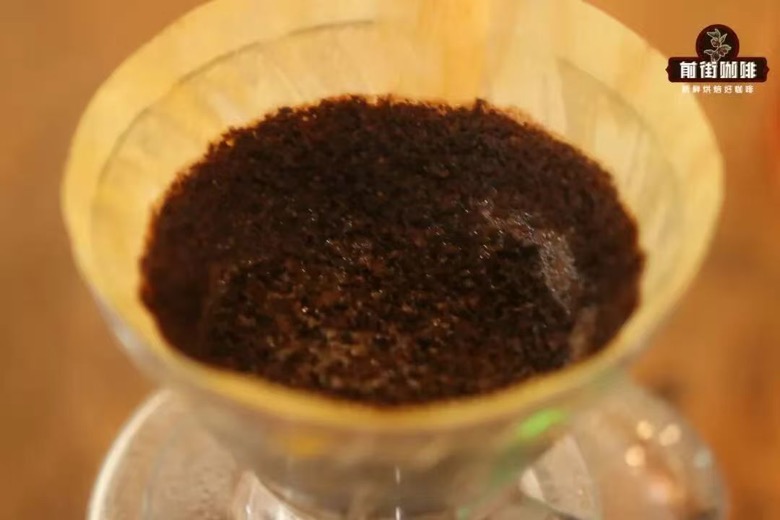
In terms of brewing parameters, it’s recommended to use water at around 90°C with a coffee-to-water ratio of approximately 1:15 (for example, 15 grams of coffee to 225 milliliters of water). This setup helps fully present delicate floral and fruity notes without the extraction intensity being so high as to mask the beans’ own refined qualities.Be careful not to use excessively high water temperatures (such as above 93°C) or too coarse a grind size, as this may lead to over-extraction or insufficiently concentrated flavors.Additionally, it’s recommended to use a pulsed pouring technique—such as starting with 30 grams of water for a 30-second bloom, followed by gradually adding the remaining water—to help improve extraction uniformity.
If you’re on a limited budget, there’s no need to start with expensive competition-grade batches. Tasting entry-level estate beans can also offer valuable experience. It’s suggested to first choose relatively affordable yet representative Panamanian Geisha beans, familiarize yourself with their basic flavor profiles, and then gradually challenge yourself with competition lots from various estates. This progressive approach not only trains your palate to detect subtle details, but also helps you build a more comprehensive flavor database as you taste beans from different regions and with various processing methods.
The true meaning of tasting top-tier coffee beans lies not in chasing luxury, but in cultivating a keen awareness of flavor details. When you can calmly read the nuances of terroir, craftsmanship, and processing methods in a cup of coffee, you’ll be able to understand and appreciate the intricacies of any coffee more deeply in the future. This is the lasting value that estate beans bring to coffee enthusiasts.
The above content is compiled by CoffeeHunters, a coffee news website.

