







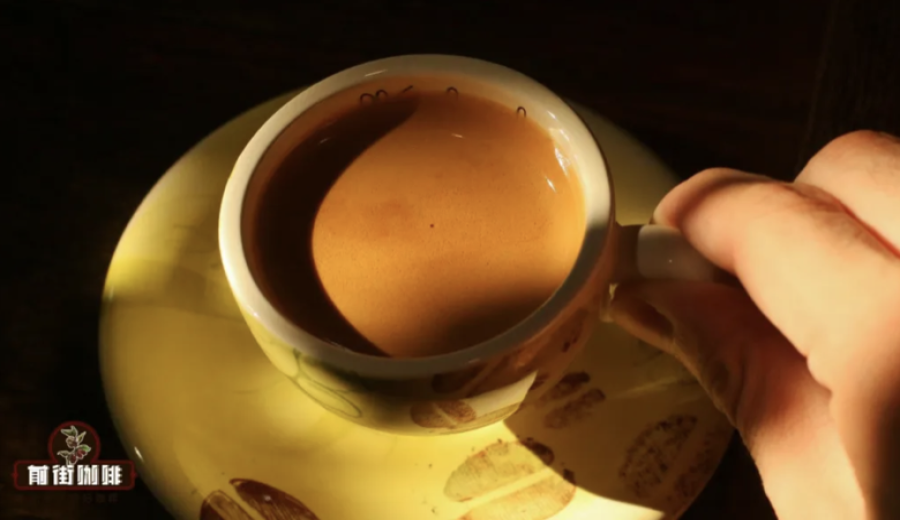
Introduction:While global specialty coffee trends toward light roasts with bright acidity, Japanese roasters have chosen to delve deep into the realm of “dark roasting,” crafting a uniquely rich flavor profile through slow, prolonged roasting. This article will guide you through the core philosophy, technical details, suitable bean varieties, and optimal brewing methods of Japanese-style dark roast, while also analyzing the cultural aesthetics behind it—helping you appreciate the depth and layers of coffee from another perspective.
Amid the global specialty coffee trend embracing light roasts and highlighting vibrant fruit acidity, Japanese roasters have taken a distinctly different path—they focus on dark roasting, taking beans to their extreme limits in pursuit of a “bitterness giving way to sweetness” richness. Japanese-style dark roast is not just a choice of roast level but an entire, self-contained roasting philosophy. Delving into this school of thought can expand your imagination of coffee flavors and break the conventional framework of what “coffee should taste like.”
Japanese dark roast emphasizes three core flavor characteristics: “sweetness (甘),” “body (醇),” and “clarity (淨).” The so-called “sweetness” doesn’t come from added sugar but from the natural sweetness released by the beans through deep caramelization reactions; “body” refers to the thickness of the mouthfeel—the performance of body—where the roasting process fully releases fibers and oils, delivering a rich and solid texture; “clarity,” somewhat counterintuitive, stresses that even under deep roasting, the coffee must remain clean and free of off-flavors—the bitterness should be pure, and smokiness restrained—achieving depth without charring and richness without murkiness. This stringent approach to flavor is deeply influenced by Japanese tea ceremony culture, where the freshness of matcha, the sweetness of roasted tea, and the clarity of sencha all find corresponding sensory experiences in Japanese-style dark roast coffee.
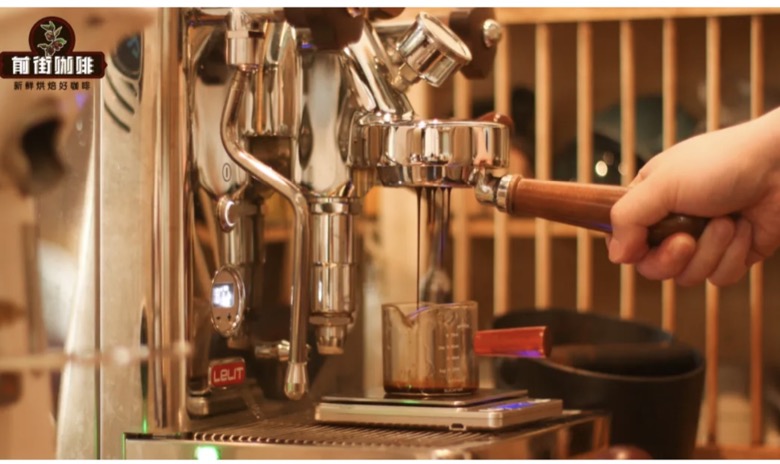
Technically, the biggest difference between Japanese dark roast and typical commercial dark roast lies in the “pace.” Commercial dark roast often prioritizes efficiency, completing the process in just eight to ten minutes, whereas Japanese dark roast opts for a slower, more patient approach, extending the roast time to fifteen to twenty minutes. This slow, long roast relies on low temperatures to gradually allow heat to penetrate the bean core, avoiding problems like burnt exteriors with undercooked interiors. However, this also places higher demands on the roaster’s technique, especially in the subtle adjustments of heat and air damper—each second can influence the final flavor profile. As a result, many long-established Japanese roasteries still adhere to the tradition of “in-house roasting,” passing down this artisan-level craftsmanship through generations.
In terms of bean selection, Japanese dark roast has its unique preferences, which differ greatly from those favoring light roast beans. For example, a certain brand’s Mandheling, processed via the wet-hulled method, boasts a full body that transforms into rich herbal aromas and black sugar sweetness after dark roasting—it is a staple of Japanese dark roast; Brazilian beans, known for their nutty character, reveal a cocoa-like richness when dark roasted, becoming a stable foundation in dark roast lineups; additionally, aged beans from renowned regions such as Colombia and Panama are also commonly found in Japanese dark roast selections. These aged beans, having undergone time’s refinement, exhibit reduced acidity and increased body, aligning perfectly with the flavor direction of dark roast. Such bean lineup combinations bear a striking resemblance to the “Mand Brazil” blend (Mandheling & Brazil) in a certain brand’s classic blends, showcasing the consistency of Eastern coffee taste aesthetics.
As for brewing methods, Japanese dark roast also follows its own “gentle philosophy.” Low-temperature, slow extraction methods are recommended—for instance, using water at 70–80°C for pour over can effectively reduce the release of excessive bitter and astringent substances, making the sweetness more prominent. The siphon pot is also a classic companion for dark roast coffee, using high-temperature rapid extraction followed by an ice-water quick chill, which helps lock in sweetness and aroma. In terms of drinking style, the “standard approach” for dark roast coffee is to enjoy it pure and sip slowly—especially when the coffee cools slightly to around 45°C, allowing the sweetness in the aftertaste to unfold layer by layer. This contrasts sharply with the light roast coffee rhythm of “brew and drink while hot to catch the aroma.”
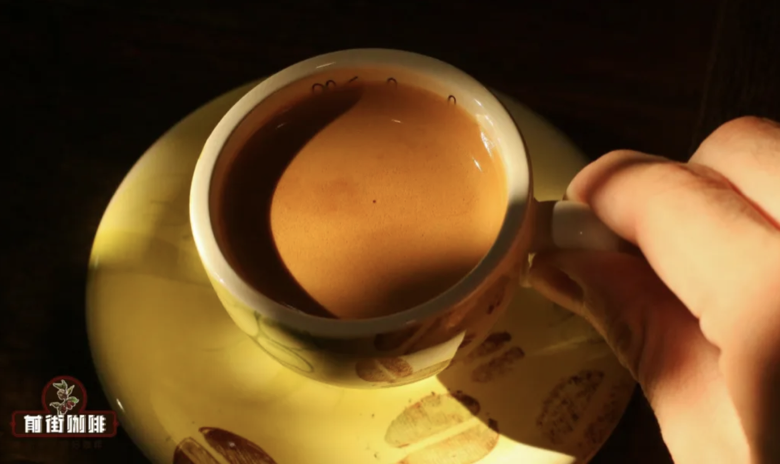
For coffee lovers in Taiwan or the global Chinese community, consider stepping beyond the factional debates of light vs. dark roast and personally experience authentic Japanese-style dark roast. It’s recommended to try a well-roasted dark Mandheling, brewed via low-temperature pour over, and tasted after cooling to about 45°C—you’ll fully appreciate the moving process of “bitterness fading, sweetness blooming layer by layer.” When you open the door to this aesthetic realm of taste, your understanding of coffee will no longer be one-sided but possess a fuller flavor perspective.
The above content is compiled by CoffeeHunters, a coffee news website.

