







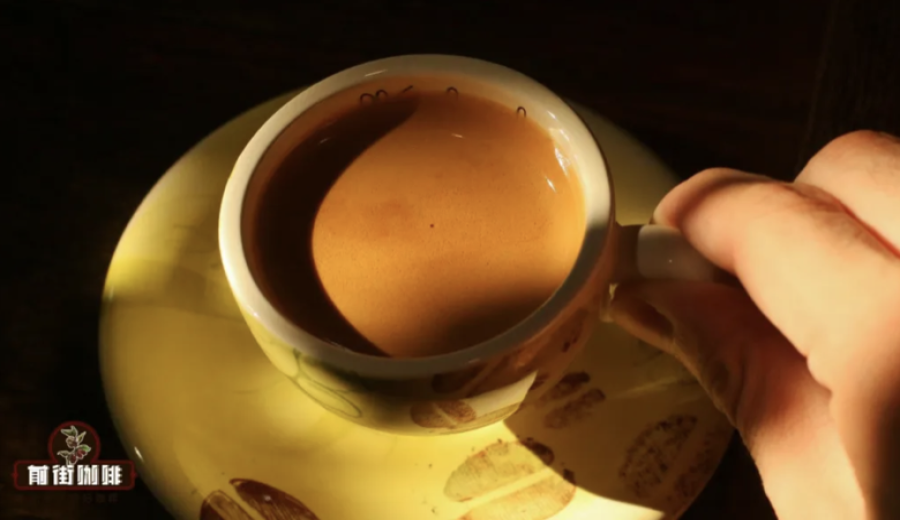
Introduction:Dark roast coffee is often misunderstood as being solely bitter and intense, but in reality, it holds complex layers of black chocolate, caramel, and smokiness. This article takes Mandheling as a starting point to guide you through the classic origins of dark roast beans around the world—from the wet-hulled process of Sumatra to the gentle nuttiness of Brazil, and on to the balanced profiles of Yunnan and Jamaica. We’ll also explore creative blends that highlight deep-roast flavors. Whether you're a beginner in pour over coffee or an advanced enthusiast seeking a rich body, you’ll find suitable beans and brewing inspiration here.
Coffee lovers who enjoy bold crema and a full-bodied mouthfeel are often drawn to the charm of dark roast beans. Though these beans may lack bright acidity and floral aromas, they offer a marvelous interplay of black chocolate, caramel, herbal notes, and smokiness—crafting a deep and captivating flavor map. We'll begin with the classic Mandheling and gradually explore the diverse landscape of the dark roast world.
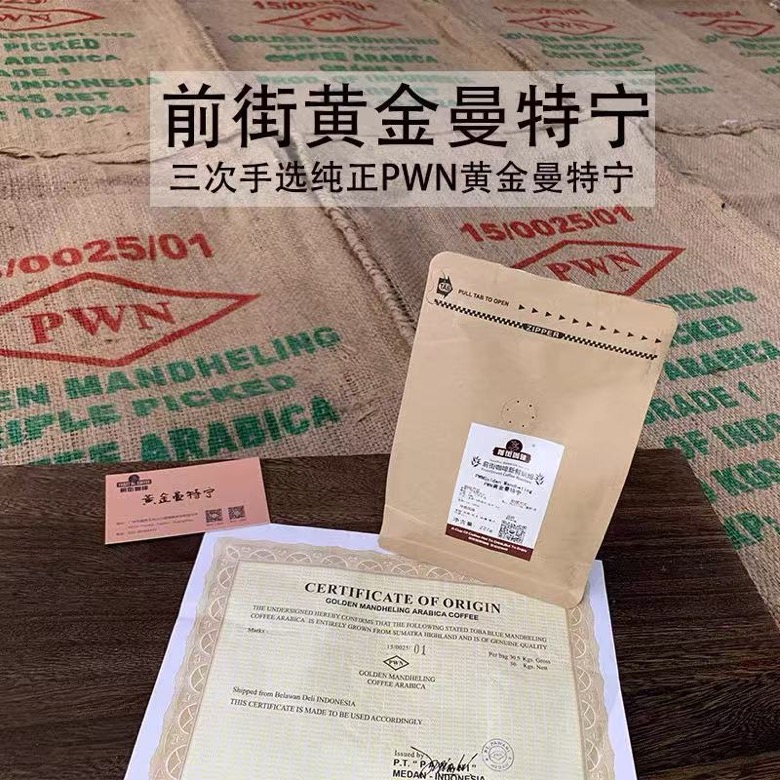
The first stop is undoubtedly the birthplace of Mandheling—Sumatra. The region’s unique wet-hulled processing method allows beans with higher moisture content to undergo a long, slow drying period after the mucilage layer is removed, resulting in a distinct fermentation profile. This technique gives Mandheling its signature herbal, earthy, and black chocolate aromas, along with a syrupy body, making it a classic representative among dark roast beans. A well-known Indonesian Golden Mandheling takes this trait to the extreme: carefully selected G1 grade beans sized 18+ mesh, with fewer than three defects per 300 grams, and undergoing three rounds of manual sorting to ensure consistent quality. After dark roasting, its body and crema reach their peak, making it an indispensable reference point on the dark roast map.
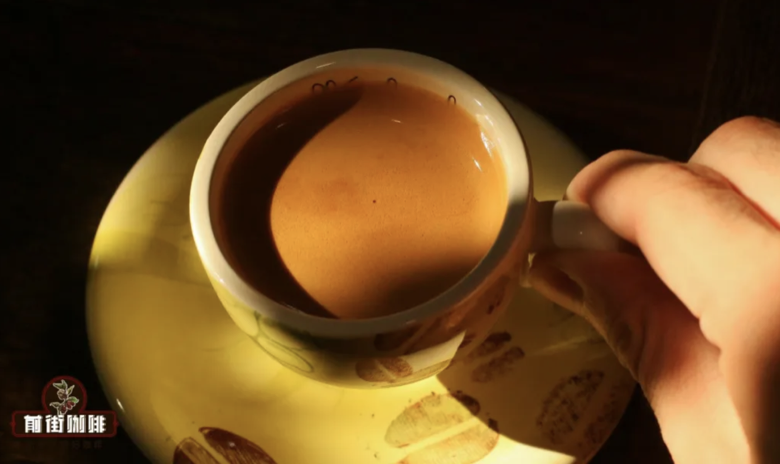
Next, we arrive in Brazil, the world’s largest coffee-producing country, which showcases a distinctly different style in the dark roast realm. Brazilian dark roast beans are built on a foundation of low acidity, high sweetness, and nutty-chocolate tones, with dark roasting further enhancing the aroma of caramel and roasted nuts. The classicMamba Blend(Mandheling paired with Brazilian beans) is a perfect example: Mandheling provides a strong backbone and deep character, while Brazilian beans contribute a sweet, balancing touch. This combination proves that the richness of dark roasts doesn’t necessarily rely on Robusta beans—100% Arabica can also deliver a lush crema.
If you’d like a gentler option, consider exploring the milder choices from Yunnan and the Caribbean. The 2013 vintageYunnan Natural Typica, when dark roasted, reveals stable flavors of brown sugar and nuts. Coupled with its great value, it makes an excellent everyday coffee bean.Jamaica Blue Mountain No.1in medium-dark roast is another level entirely—its richness doesn’t come from strong flavor impacts, but rather from the delicate balance of acidity, sweetness, and bitterness, along with a creamy smoothness, proving that “richness” and “elegance” can indeed coexist. This bean is ideal for refreshing and balancing the palate after stronger flavors.
The dark roast world isn’t monotonous—in fact, creative blends inject even more possibilities. For instance,the Dark Cocoa Blendtakes cocoa flavor as its main theme, offering a rare sweetness and richness in dark roasts;the Autumn Chestnut Blendpreserves the warm sweetness reminiscent of chestnuts; whilethe Strawberry Candy Blend, under medium-dark roasting, softens acidity while maintaining a vivid sweetness. These examples show that even with deeper roasting, careful recipe design can still preserve unique and recognizable flavor characteristics.
For readers new to dark roasts, we recommend starting with theMamba Blendto experience the perfect harmony of richness and balance; if you seek a bolder taste, go straight for theGolden Mandhelingto feel the ultimate allure of dark roasting; for daily consumption, theYunnan Natural Typicais an economical yet high-quality choice; and theBlue Mountain No.1is perfect for occasional sipping, helping to refine your sensitivity to “balanced” flavors.
Finally, a reminder: dark roast beans have a shorter optimal flavor window than light roasts. Due to the release of more carbon dioxide during dark roasting, they degas vigorously, and freshness greatly impacts flavor. We suggest buying enough for two weeks’ use and storing them properly to maintain peak condition. The exploration potential of dark roasts is far broader than imagined—as long as you stay attuned to body and crema, each cup can reveal a new depth of intensity.
The above content is compiled by CoffeeHunters, a coffee news website.

