







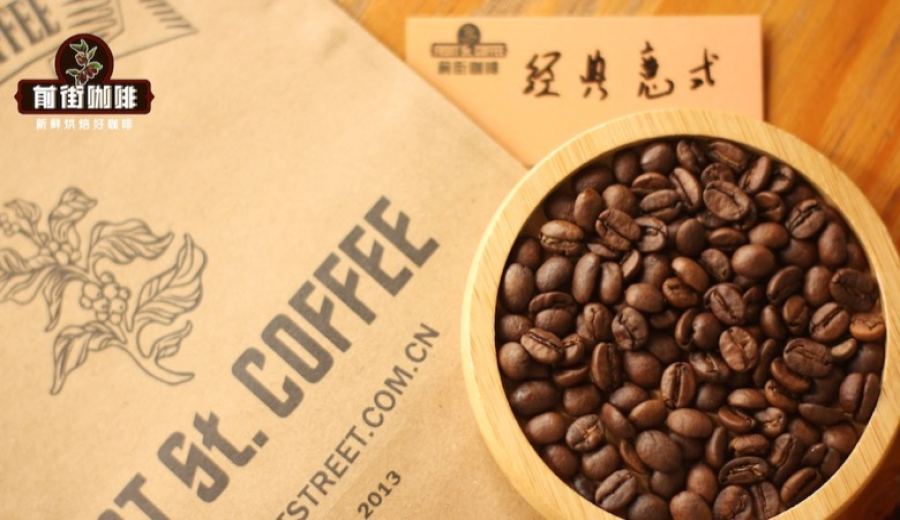
Introduction:The daily operation of a coffee shop often hinges on that foundational blend that underpins the overall flavor profile. This article delves into how to create a stable, drinkable, and mass-brewing-friendly commercial espresso base blend, analyzing selection criteria across three key dimensions: flavor, extraction, and supply. It also shares practical tips on roast batch management to help shops maintain product consistency, ensuring every cup meets high standards.
Walking into a coffee shop and flipping through its bean menu can often reveal its operational direction. Some shops offer an extensive selection, featuring everything from single origins to various limited-edition blends; others keep it minimal, serving just one or two espresso blends yet consistently delivering high-quality drinks. For most operating coffee shops, the focus of a commercial espresso bean menu isn’t diversity, but rather “staying power”—whether a stable base blend can support the overall product structure and meet daily brewing demands.
A base blend, as the name suggests, is the core bean variety used in large quantities by a shop on a daily basis. Its primary task is to maintain consistent flavor and stability under the pressure of hundreds of cups brewed each day. This means it must excel in three key aspects: first, the flavor profile should be balanced and easy to enjoy—classic notes like nuts, cocoa, or caramel are more accessible to the general palate and pair better with common milk-based drinks than unusual fruit acids; second, in terms of extraction, the blend’s recipe should tolerate slight parameter fluctuations, as baristas often don’t have time to fine-tune grind size or tamp pressure during peak hours; finally, regarding supply, the roaster must ensure long-term, stable availability, with minimal changes to the recipe to avoid impacting the overall flavor profile.
For example, one classic specialty blend is a go-to base blend choice, composed of Brazilian Cerrado and Colombian Huila beans. Its flavor is classic and approachable, and this blend has been on the market for nearly a decade, having stood the test of high-volume daily use. Whether for Americano, latte, or cappuccino, it delivers consistent performance, making it a trusted staple for many shops.
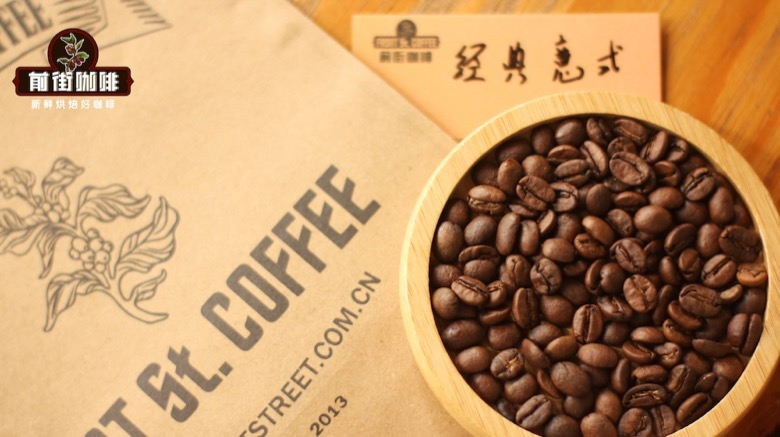
For shops more sensitive to cost, there are also more economical options, such as a certain commercial blend and a dark cocoa blend, which provide solutions at different price points. The commercial blend is more affordable and its recipe is optimized for commercial needs, suitable for budget-conscious shops; meanwhile, the dark cocoa blend uses 100% Arabica beans, offering rich crema and a smooth mouthfeel at a relatively friendly price, making it an excellent alternative for a daily base blend.
Once the base blend is selected, signature beans can then be used to add depth to the bean menu. For instance, a strawberry candy blend with distinct fruity notes can serve as a flagship milk coffee or seasonal specialty drink option, complementing the more grounded base blend. This not only satisfies regular customers’ everyday needs but also attracts new patrons to try unique flavors, creating a more layered and diverse product structure.
Additionally, there’s a commonly overlooked yet extremely important detail: the roast batch management of the base blend. Since green beans are agricultural products, minor variations between batches are inevitable. It’s recommended to brew three cups using fixed extraction parameters upon receiving a new batch, meticulously record their flavor profiles, and compare them with the previous batch. If noticeable differences are found, communicate promptly with the roaster to confirm whether it’s a normal fluctuation or if adjustments to roast level or recipe are needed. Establishing good communication practices can effectively reduce inconsistencies caused by batch variations.
How long a base blend can be stably used depends not only on the quality of the beans themselves but also closely on the shop’s quality control habits. Only by planning well—from bean menu structure to roast management—can every cup maintain consistent quality, giving the shop greater confidence in its daily operations.
The above content is compiled by CoffeeHunters, a coffee news website.

