







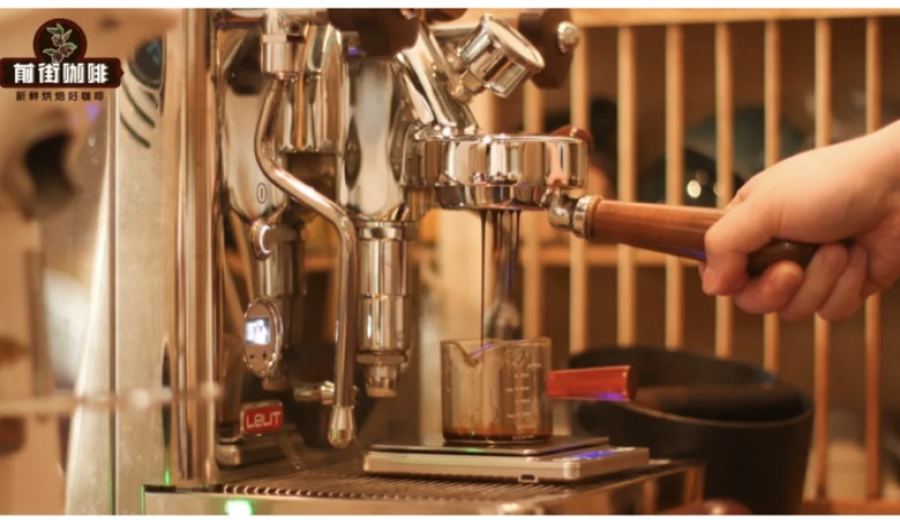
Introduction:The De'Longhi home espresso machine is not only suitable for using common blends, but by making SOE (Single Origin Espresso) with single-origin beans, it can also showcase the unique flavors of different regions. This article starts with stable blends and gradually explores the performance of single-origin SOEs, providing practical parameter suggestions based on different flavor profiles so you can deeply explore the diversity of coffee at home.
Using the De'Longhi home espresso machine, you can not only enjoy blends with stable extraction, but if you challenge yourself to make SOE (Single Origin Espresso) with single-origin beans, you can also experience how the flavors of each region are concentrated in the espresso form. Whether you're a beginner just getting started or an enthusiast looking to understand coffee more deeply, transitioning from blends to SOEs will allow you to gradually perceive richer layers of taste.
First, let’s talk about the performance of blends on the De'Longhi machine. These beans usually emphasize flavor stability and consistent extraction, making them very suitable for daily use. For example, a classic blend using a Mocha–Java (Mandheling & Java) recipe combines the herbal and dark chocolate notes of Mandheling, giving the espresso distinct layers. Plus, the De'Longhi machine can also extract fine and dense crema, so even when making lattes, the milk aroma and coffee aroma blend naturally. Another 100% Arabica “Black Cocoa” blend is affordable and forgiving, making it very beginner-friendly. It has a rich mouthfeel and is hardly affected by operational mistakes. There’s also a premium blend combining Brazilian Cerrado and Colombian Huila, which presents the classic flavors of nuts and caramel, making it suitable for both Americano and latte, and one pack can meet various beverage needs.
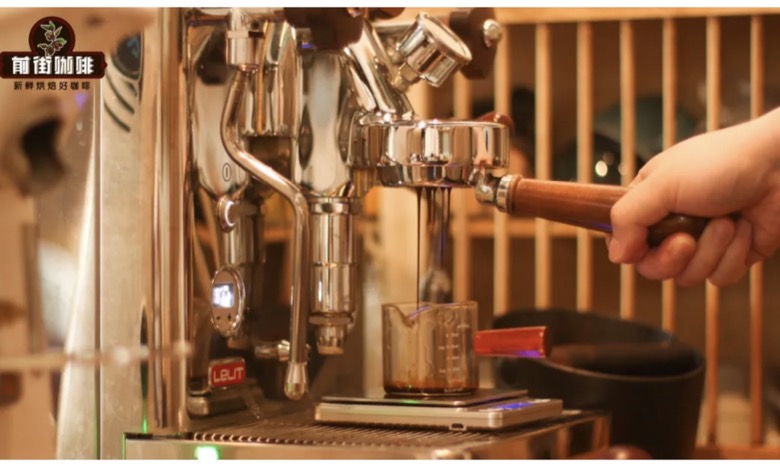
If you want to further experience regional characteristics, SOEs made from single-origin beans are a good choice. Each SOE has its own unique personality. For instance, the SOE from Brazil's Queen Estate has low acidity and a balanced mouthfeel, with intense nutty and cocoa aromas, and noticeable caramel sweetness. Its extraction window is wide, making it easy to handle even with the De'Longhi machine, making it an ideal starting point for SOE beginners. Indonesia's Golden Mandheling, on the other hand, features a dark roast style with extremely low acidity and a thick, long-lasting mouthfeel. When extracted as espresso, it produces rich crema and a strong flavor, especially on the De'Longhi machine where it forms particularly thick crema, delivering a powerful sensory impact. As for the Bird of Paradise Typica from Papua New Guinea, grown in volcanic soil and undergoing triple-washed fermentation, it has a clean and pure taste with prominent sweetness and mild acidity, making it a very balanced SOE from the Asian region.
However, if you choose fruity single-origin beans, such as Ethiopia’s Huaca, you’ll need to adjust the extraction parameters more precisely. Huaca has extremely prominent tropical fruit aromas, with strawberry and passion fruit notes becoming more concentrated in the espresso. It has noticeable sweetness and low bitterness, but its extraction window is narrow, and if the grind size or water amount isn’t adjusted properly, it can easily result in overly bright acidity. It’s recommended to enable the pre-infusion function and, based on standard dose and yield, patiently fine-tune the grind size to find the optimal balance. Additionally, although the Strawberry Sugar blend is a blend, its fruitiness is similar, and care must be taken with parameters during extraction to achieve the desired flavor profile.
In addition, there’s also the Autumn Chestnut blend, which combines Honduran Catuaí and Papua New Guinean Typica, serving as an excellent choice between blends and SOEs. Its performance on the De'Longhi machine is highly forgiving, and after extraction, it offers a nutty sweetness reminiscent of roasted chestnuts. It retains the stability of a blend while also carrying a hint of the regional character of a single origin, making it suitable for coffee lovers who enjoy diverse flavors but don’t want anything too complex.
In summary, to explore different types of beans using the De'Longhi home coffee machine, it is recommended to start with stable blends. Once you’re familiar with basic extraction techniques, gradually try various SOEs to experience the unique flavors of different regions. Classic blends focus on crema and body, the Black Cocoa blend emphasizes cost-performance, the Queen Estate blend is suitable for users seeking gentle SOE expression, and Huaca serves as a fruity challenge for advanced enthusiasts. As long as you master the basic parameters and adjustment techniques, the De'Longhi machine can also reveal a rich and diverse world of coffee.
The above content is compiled by CoffeeHunters, a coffee news website.

