








Introduction:Delve into the unique flavor profiles of classic Arabica varieties such as Typica and SL28 in espresso extraction. From sweetness and acidity to brewing parameters, this guide helps you make more precise SOE selections based on varietal characteristics, enhancing the depth and consistency of your coffee flavors.
Arabica coffee is not a single homogeneous variety but comprises numerous branches with diverse genetic backgrounds. Each variety exhibits distinct flavor profiles during espresso extraction. Understanding these nuances allows for more informed SOE (Single Origin Espresso) selection, further elevating the overall quality and consistency of your coffee beverages.
Let’s start with the classic Typica variety. As one of the oldest Arabica lineages, Typica has long been known for its clean and pure flavor profile, particularly excelling in sweetness. For instance, Typica grown in Papua New Guinea’s Paradise Bird estate at altitudes of 1600 to 1800 meters in volcanic soil regions benefits from superior terroir, resulting in beans with rich, full-bodied inner qualities that meet AA grade standards. The beans are plump with extremely low defect rates. Processed with a three-stage washed fermentation method, the cup is exceptionally clean with pronounced sweetness, making it a classic representative in espresso applications. When used as an SOE, this coffee delivers focused and stable sweetness, gentle and understated acidity, and a flavor profile reminiscent of the legendary Blue Mountain, hence often referred to as “Little Blue Mountain.” Additionally, a well-known brand’s 2013 Yunnan Natural Typica also showcases the potential of the Typica family, with flavors centered around citrus and caramel interplay. After medium-dark roasting, notes of nuts and brown sugar emerge, and in espresso form, the caramel and nut aromas are particularly cohesive, fully expressing the unique terroir of the Yunnan region.
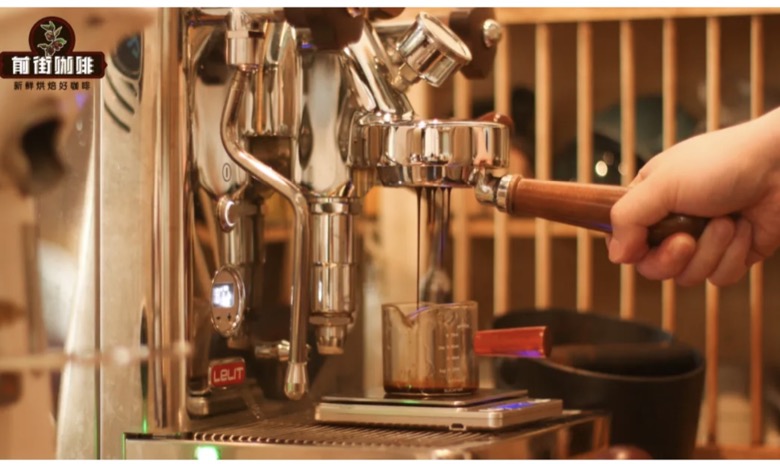
Another noteworthy group is the SL28 and SL34 varieties originating from Kenya, renowned for their intensely bright acidity and rich fruitiness. Take the “Little Tomato” from the Thika region as an example. Grown at elevations between 1550 and 1750 meters using SL28 and SL34 varieties and processed with a 72-hour double-washed fermentation method, it is finally presented with a light roast. When used in espresso, it delivers an immediate burst of bright cherry tomato and dark plum acidity, with a crisp yet solid acidic structure. Sweetness gradually unfolds in the mid-palate, while the finish carries a smooth hint of brown sugar and green tea. It’s worth noting that the SL series varieties exhibit highly distinctive acidity in espresso, but their extraction window is relatively narrow. We recommend fine-tuning grind size, water temperature, and pressure step by step to ensure a balance between sweetness and acidity, avoiding over-extraction that could lead to sharpness.
Moving to South America, Brazilian varieties such as Bourbon and Catuai present a distinctly different profile—round and full-bodied. Take Fazenda Rainha (Queen Estate) as an example: its espresso shows low acidity, balanced mouthfeel, and intense notes of nuts and cocoa, complemented by prominent caramel sweetness. It’s ideal for those seeking a rich and mellow base. When used as an SOE, it offers a wide extraction window with high tolerance to parameter fluctuations, consistently delivering stable and dependable results. Furthermore, many classic blends incorporate Brazilian Bourbon varieties, such as the Bourbons from the Cerrado region used in a certain brand’s premium blend alongside Colombian Huila, offering a classic combination of nuts and caramel with solid layers and strong identity.
In addition, Honduras Caturra, a natural mutation of Bourbon, is also worthy of attention. A certain brand’s “Autumn Chestnut” blend uses Honduras Caturra along with Papua New Guinea Typica. The former contributes gentle nutty sweetness and soft acidity, while the latter provides mellow sweetness and a clean flavor base. Together, they create a warm, mellow, and aromatic profile. Upon tasting, it offers notes reminiscent of roasted chestnuts with a nutty sweetness, suiting consumers who prefer smoother, rounded flavors.
In summary, the core differences among Arabica varieties in espresso extraction lie in their unique flavor tendencies: Typica emphasizes cleanliness and sweetness, SL28 shines with bright acidity and fruity notes, Bourbon presents a round and full-bodied character, and Caturra is characterized by nutty sweetness and a gentle base. A deeper understanding of these varietal traits enables more accurate SOE coffee bean selection. Whether using pour over or espresso, you can fully unlock the potential of each bean.

The above content is compiled by CoffeeHunters, a coffee news website.

