







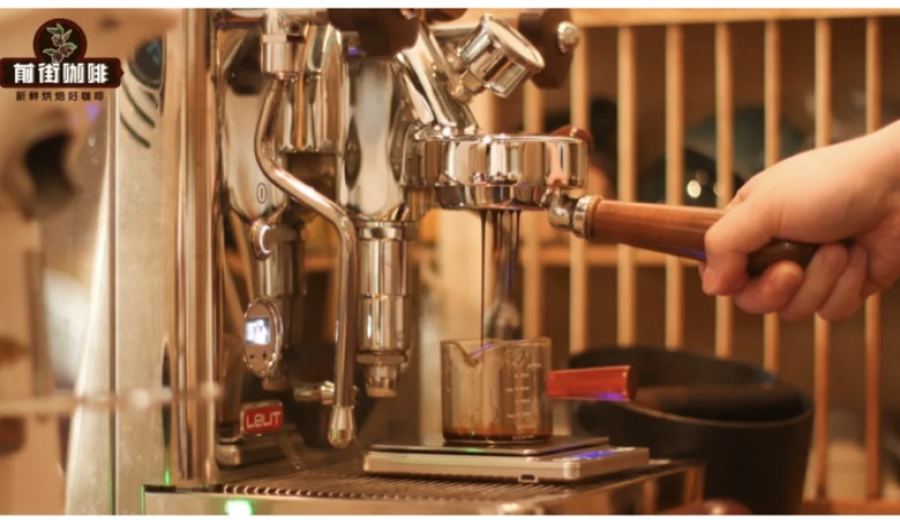
Introduction:Want to explore the charm of single-origin beans at home using a semi-automatic espresso machine? SOE (Single Origin Espresso) is an excellent starting point for transitioning from blended beans to single-origin coffee. Compared to blends, SOE has a narrower extraction window, but once you master the key parameters, you can pull an espresso with vivid flavors and rich layers. This article will guide you through the characteristics of single-origin beans from different regions, share practical extraction tips, and recommend several beginner-friendly, forgiving SOE bean varieties to help you brew professional-level coffee even with a home machine.
SOE, short for Single Origin Espresso, refers to espresso made from beans of a single origin. For many coffee enthusiasts, trying SOE at home with a semi-automatic espresso machine is the first step from regular blends into the world of single-origin coffee. Since single-origin beans have more distinctive flavor profiles, their "extraction window" is narrower compared to blends. This means you’ll need a bit more patience to fine-tune parameters such as grind size, brew ratio, or extraction time on your home machine. However, in return, successfully brewed coffee will have a much clearer flavor identity — definitely worth a try.
If you’re just getting started with SOE, it’s recommended to begin with single-origin beans from Central and South America. These beans generally offer better forgiveness and are less sensitive to parameter changes. For example, a bean from Brazil's Queen Estate features low acidity, a well-balanced mouthfeel, and rich aromas of nuts and cocoa, along with noticeable caramel sweetness. It’s smooth on the palate with no astringency. When used for SOE, it has a relatively wide extraction window — even if parameters like grind size or extraction time are slightly off (e.g., a slightly coarser grind or shorter extraction), the flavor shift won’t be too drastic, making it very suitable for beginners. Moreover, this bean pairs beautifully with milk in a latte thanks to its nutty and caramel notes, and it also delivers a classic, full-bodied taste as an Americano.
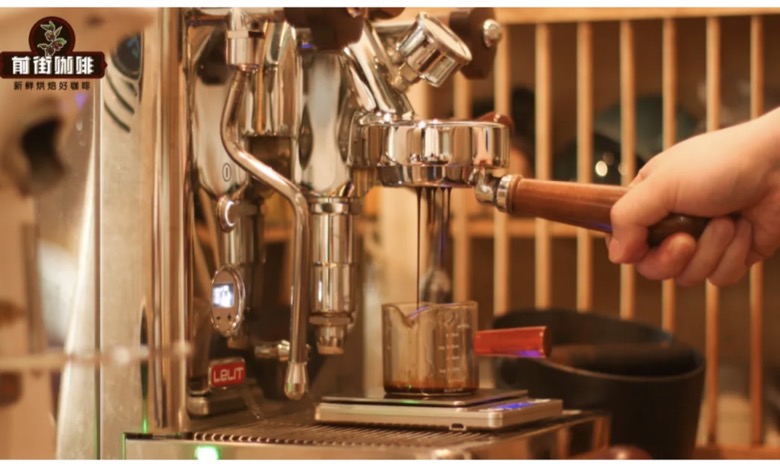
If you prefer a bolder flavor profile, you might want to try single-origin beans from Asia. Take Indonesia's Golden Mandheling, for instance. This bean is typically dark roasted, with almost no acidity, a thick and lingering body, and layered aromas of herbs and dark chocolate, along with a faint earthy note. As an SOE, it produces a rich and thick crema, with an intense and heavy overall flavor — perfect for those who enjoy strong coffee. Another noteworthy option is Papua New Guinea’s Bird of Paradise, which uses the Typica variety and undergoes a triple-washed fermented process. It has a clean and pure taste with outstanding sweetness. Its flavor profile is somewhat similar to the legendary Blue Mountain coffee, leading some coffee lovers to affectionately call it the "Little Blue Mountain." It’s a relatively mild SOE choice from the Asian region.
Meanwhile, single-origin beans from Africa are known for their rich fruitiness. For example, Ethiopia’s Huaca, when used to make SOE, highlights concentrated strawberry and passion fruit aromas in the espresso, with notable sweetness and a juicy mouthfeel — delivering extremely high flavor clarity. However, be aware that Huaca’s SOE has a narrow extraction window. If the grind size or dose isn’t properly adjusted, the acidity can easily become overly prominent. It’s recommended that you patiently adjust the grind and dose a few times at home to find the most suitable parameter combination. Also, take Colombia’s Gesha, which undergoes a double anaerobic natural process. Its passion fruit, blueberry, and grape aromas are even more intense in the SOE. Brewing it as an iced pour over can further accentuate its silky texture, reminiscent of grape juice.
When extracting SOE on a home machine, the keys lie in "controlling acidity" and "preserving sweetness." Since single-origin beans often have brighter acidity than blends, under-extraction can make the acidity overly pronounced. Therefore, it’s advised to slightly fine-tune your grind finer or extend the extraction time compared to your usual blend settings, so that sweetness and body can better balance the acidity release. For example, Kenya’s small tomato variety (SL variety, double-washed fermented, light roast) from the Thika region, when used as an SOE, showcases unique cherry tomato and dark plum flavors. The balance between acidity and sweetness is excellent, with particularly notable mid-palate sweetness, and a finish that carries hints of brown sugar and green tea — making it a great bean for further exploring flavor layering.
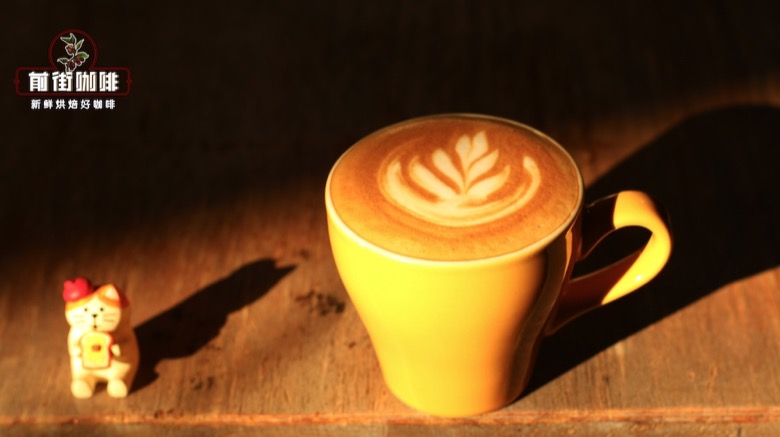
In summary, if you want to experiment with SOE on your home semi-automatic espresso machine, start with more forgiving single-origin beans like Brazil Queen or Golden Mandheling. Once you’re comfortable with basic extraction techniques, you can gradually challenge yourself with more advanced beans like Huaca, which have prominent fruitiness and a narrower extraction window. Remember, the charm of SOE lies in its ability to clearly showcase the unique terroir and processing methods of a single origin. With a bit of patience in adjusting parameters, you too can brew café-quality coffee right at home.
The above content is compiled by CoffeeHunters, a coffee news website.

