








Introduction:When it comes to the flavor profile of cold brew coffee, choosing the right beans is more crucial than tweaking parameters. Coffee beans from different regions will exhibit distinctly unique characteristics under low-temperature slow extraction. This article explores the three major coffee-growing regions—Africa, Asia, and Central and South America—to analyze which bean varieties are suitable for cold brew, and explains their differences in terms of fruity notes, body, and balance, helping you select the cold brew beans that best suit your taste.
To brew a pot of cold brew coffee with outstanding flavor, selecting the beans is often the most critical step in determining success. Compared to hot brewing, the cold brew process operates at lower temperatures and longer durations, allowing certain regional beans to showcase more distinctive traits. Understanding how beans from various regions perform in cold brew can make it easier for you to choose beans that match your personal taste preferences.
Let’s first look at beans from the African region. These beans naturally possess rich fruity aromas, and after cold brewing, they often present captivating tropical fruit flavors. For example, Ethiopian bean varieties, due to high-altitude cultivation, often carry distinct floral and fruity notes. After undergoing cold brew processing, their acidity becomes gentler, while the fruity sweetness becomes more pronounced. Cold-brewed Ethiopian beans may clearly express tropical fruit aromas such as strawberry and passionfruit, with a prominent sweetness and almost no bitterness, delivering an overall flavor like a refreshing chilled juice—perfect for drinkers who enjoy bright, fruity notes. Additionally, Kenyan beans are also worth trying; cold-brewed, they often exhibit sweet-tart profiles reminiscent of cherry tomatoes and black plums, with juicy textures and soft acidity, offering a richly layered flavor.

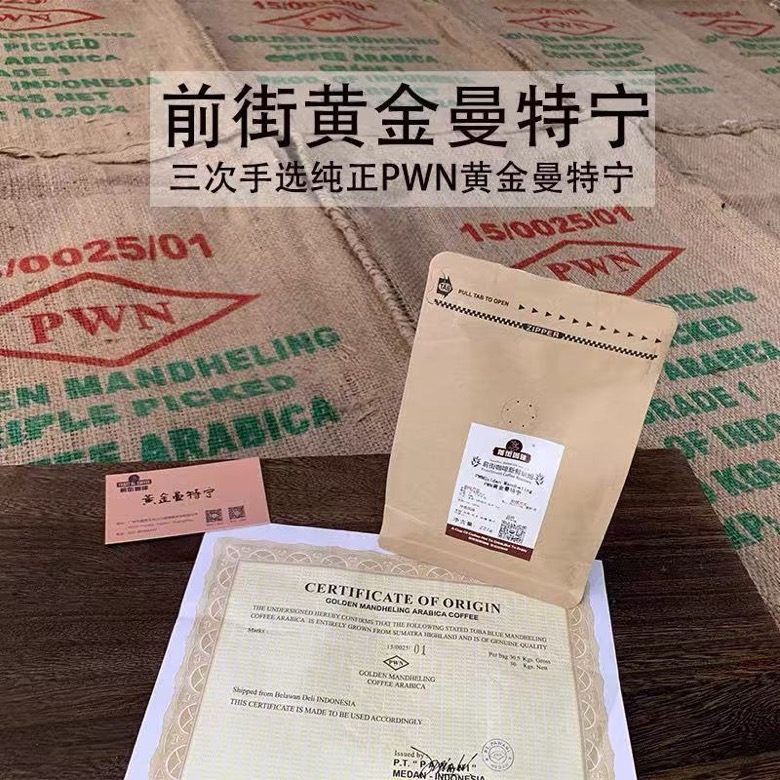
If you prefer a fuller and more robust mouthfeel, then beans from the Asian region might be a better choice. Take Indonesian Mandheling as an example. This bean is typically dark roasted, and when cold brewed, it shows very low acidity but instead offers intense herbal and dark chocolate aromas, along with a smooth and lingering mouthfeel. Even when consumed straight, it is quite full-bodied, and adding milk transforms it into a cool and refreshing cold brew latte. Beans from Southeast Asia generally share similar traits, making them suitable for coffee enthusiasts who enjoy bold and deep flavors.
As for the Central and South American region, beans from this area often display balanced sweetness and a mellow mouthfeel after cold brewing. For instance, Brazilian beans from Fazenda Rainha (Queen Estate) typically feature pronounced caramel and nutty tones after cold brewing, entering smoothly without being cloying. Meanwhile, some batches from Colombia, such as those of the Sidra variety, when processed with special methods (like double anaerobic natural), can still retain vivid juice-like notes of passionfruit and blueberry even after cold brewing, with a cocoa aftertaste in the finish. It’s a great option that combines fruity brightness with body, ideal for drinkers seeking a multi-dimensional flavor experience.
In addition to single-origin beans, there are many blend options on the market specifically designed for cold brew. These blends usually combine Arabica beans from different origins, resulting in balanced flavors and easy drinkability. For example, some blends emphasize sweet notes such as strawberry or gummy candy; after cold brewing, they offer a smooth mouthfeel and pleasing flavors, making them a solid choice for beginners—it’s not hard to brew a tasty cup of cold brew with these.
In summary, choosing cold brew coffee beans can be simply categorized based on flavor preferences: those who favor fresh and fruity notes should prioritize African origins; those seeking a full and bold mouthfeel can opt for dark-roasted Asian beans; and those wanting balanced flavors with sweetness might find Central and South American beans to be a great choice. If you’d rather not spend too much time selecting, specially crafted cold brew blends are also a convenient and delicious solution. This summer, why not follow these guidelines, pick the right beans, and enjoy a refreshing and smooth cup of cold brew coffee?
The above content is compiled by CoffeeHunters, a coffee news website.

