








Introduction:The challenge of commercial blended coffee beans lies in balancing flavor, cost, and stability, but the most critical factor is the ratio between Arabica and Robusta. This article delves into the characteristic differences between these two major coffee species, explores how they function within blends, and provides practical ratio recommendations based on shop needs to help you craft a coffee that is both cost-effective and high-quality.
The biggest difference between commercial blended coffee and home-use coffee beans is that it must achieve three goals simultaneously: flavor performance, cost control, and quality stability. Whether these three can be balanced often hinges on the bean variety composition of the blend, especially the blending logic between Arabica and Robusta.
Arabica beans have always been regarded as the soul of flavor. They can present complex and delicate layers such as floral notes, fruity acidity, nuts, and caramel, with a well-balanced sweet and acidic structure, forming the foundation of a high-quality espresso. For example, some premium blends use Brazilian Cerrado and Colombian Huila beans to create a solid, smooth-bodied base—ideal for lattes or Americanos. These blends typically follow a "flavor-oriented" approach. In addition, there are also blends that use 100% Arabica. Although their prices are more affordable, they still maintain good body and crema performance, making them a cost-effective choice.
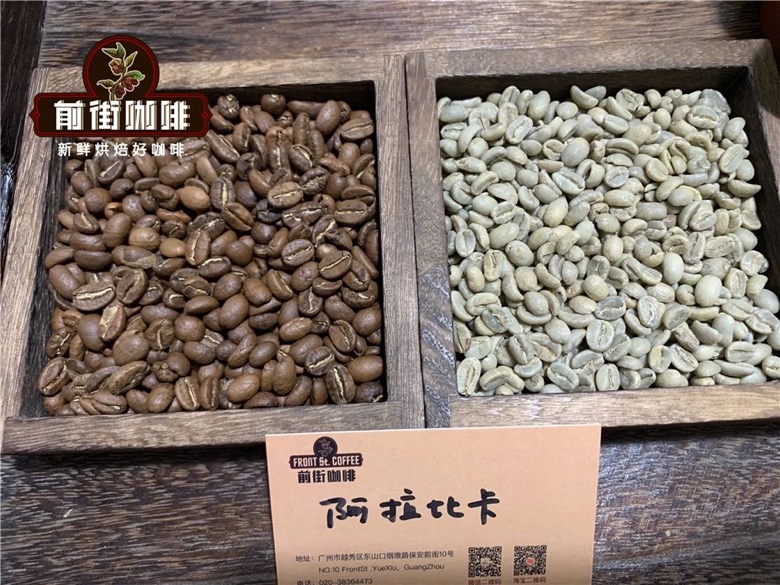
In contrast, Robusta beans often play a more "functional" role in commercial blends. They have a higher caffeine content and richer oils, which can enhance the body of espresso and the persistence of crema. More importantly, Robusta beans are significantly cheaper than Arabica, thus effectively reducing overall raw material costs. However, the flavor of Robusta is generally stronger, with noticeable bitterness and a rougher mouthfeel. If used in too high a proportion, it can easily overpower the delicate aromas of Arabica, making the overall coffee flavor monotonous or even dull. Therefore, in most traditional commercial blends, the proportion of Robusta usually does not exceed 20%, primarily used to enhance body and stabilize crema performance, rather than dominate the overall flavor.
So, how should one decide the ratio between the two? The answer actually depends closely on the shop’s positioning. If your café focuses on the specialty coffee route, emphasizing clarity of flavor and customer experience, then an all-Arabica blend would be the first choice. But if you prioritize brewing efficiency and cost control while still wanting to maintain a certain level of body and stable crema, adding a moderate amount of Robusta would be a more pragmatic choice. These two strategies are not absolutely superior or inferior—the key lies in whether they align with your business direction and target customer base.
Beyond the ratio of bean varieties, regional blending is also an essential aspect of blend design. For example, Brazilian beans are often used to provide nutty tones and a rich, full-bodied base; Colombian beans can supplement balanced acidity and fruity notes; while Ethiopian beans excel at bringing out bright floral and fruity aromas. Each regional bean has its own strengths in flavor characteristics, and through reasonable combinations, a layered and balanced commercial blended coffee can be crafted.
In summary, the design logic of commercial blends is to address flavor fluctuations from single seasons or batches through scientifically adjusted ratios, all while ensuring flavor quality. At the same time, by properly combining Arabica and Robusta, not only can costs be reduced, but the consistent performance of each cup of coffee can also be maintained, ensuring customers enjoy a uniform and satisfying coffee experience every time.
The above content is compiled by CoffeeHunters, a coffee news website.

